

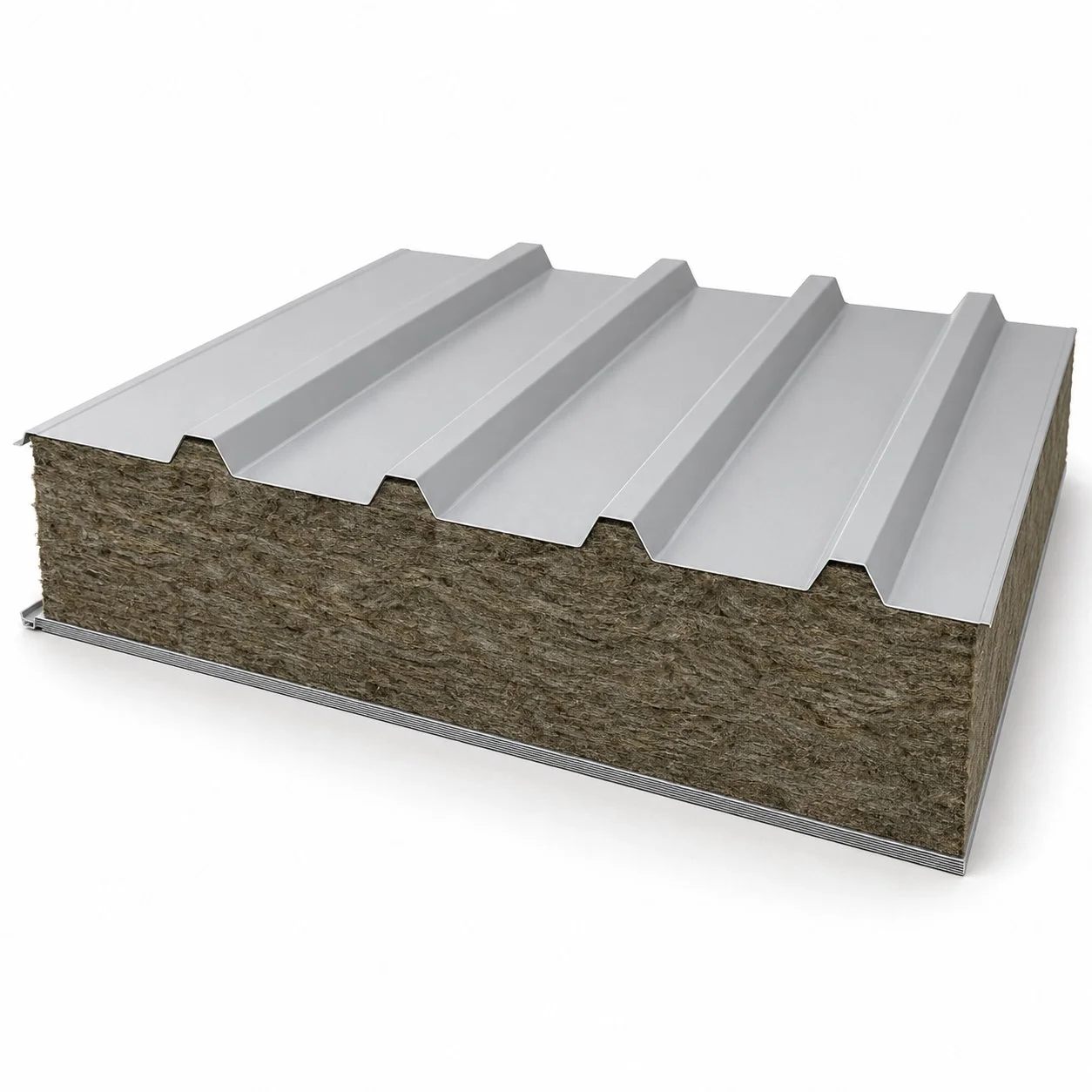
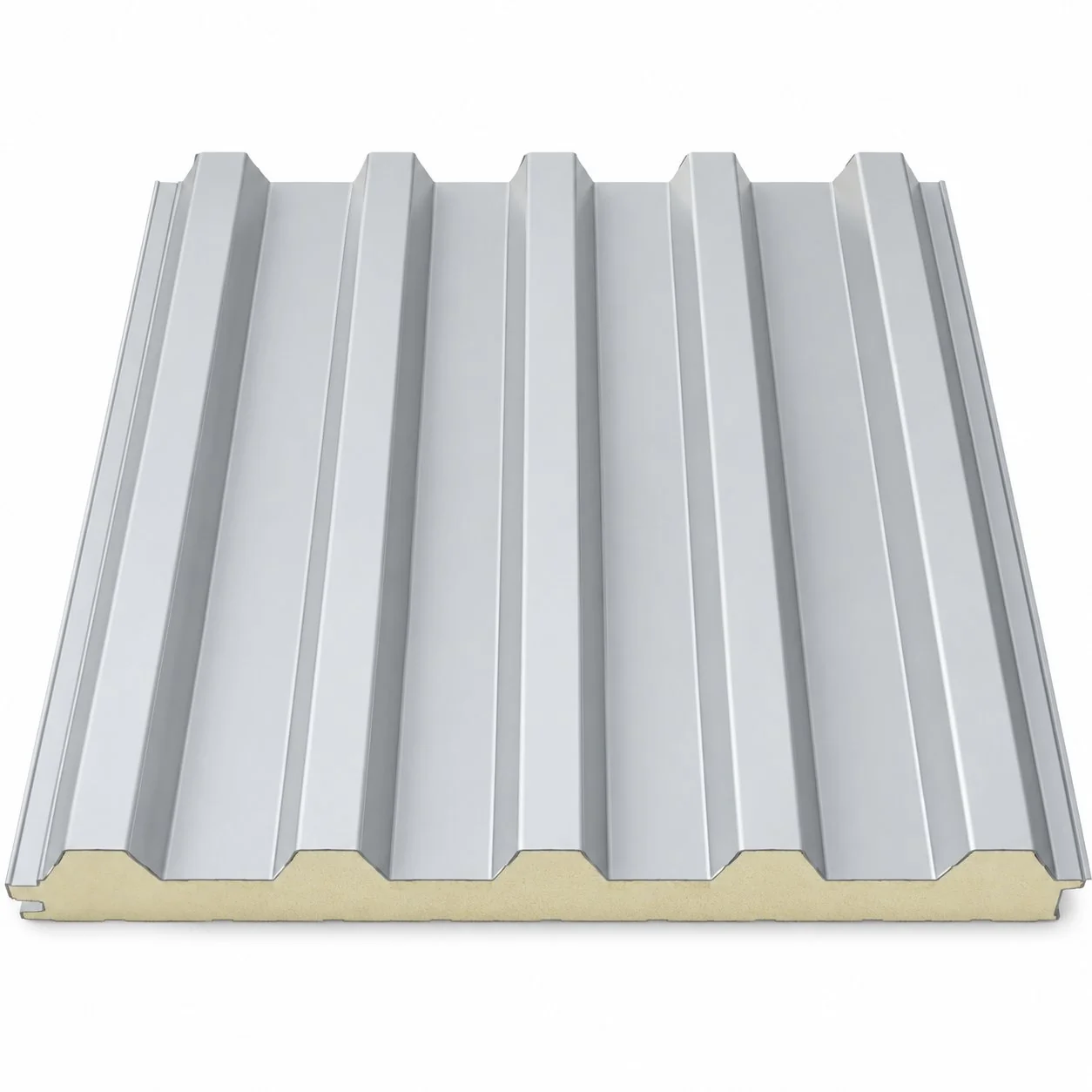
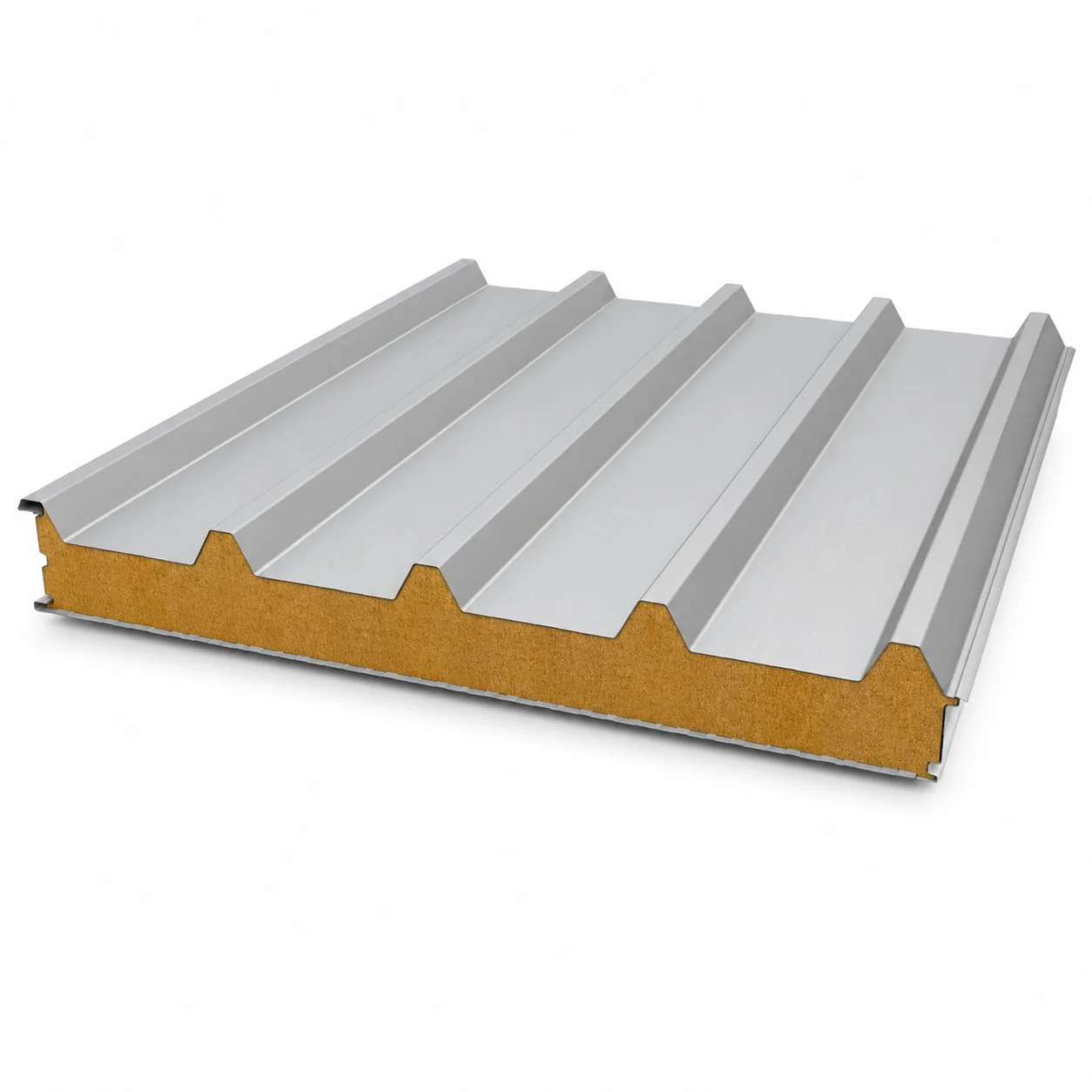
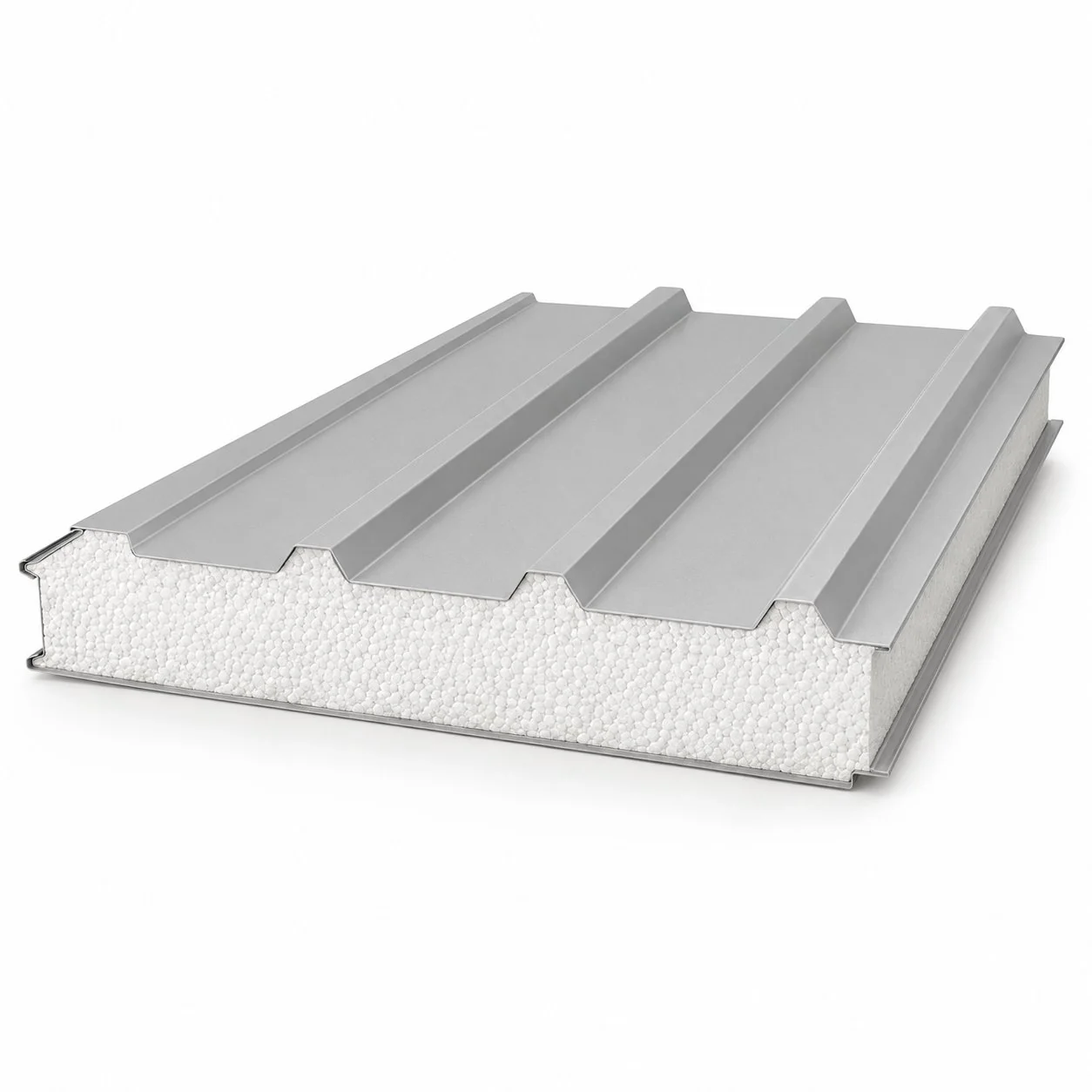
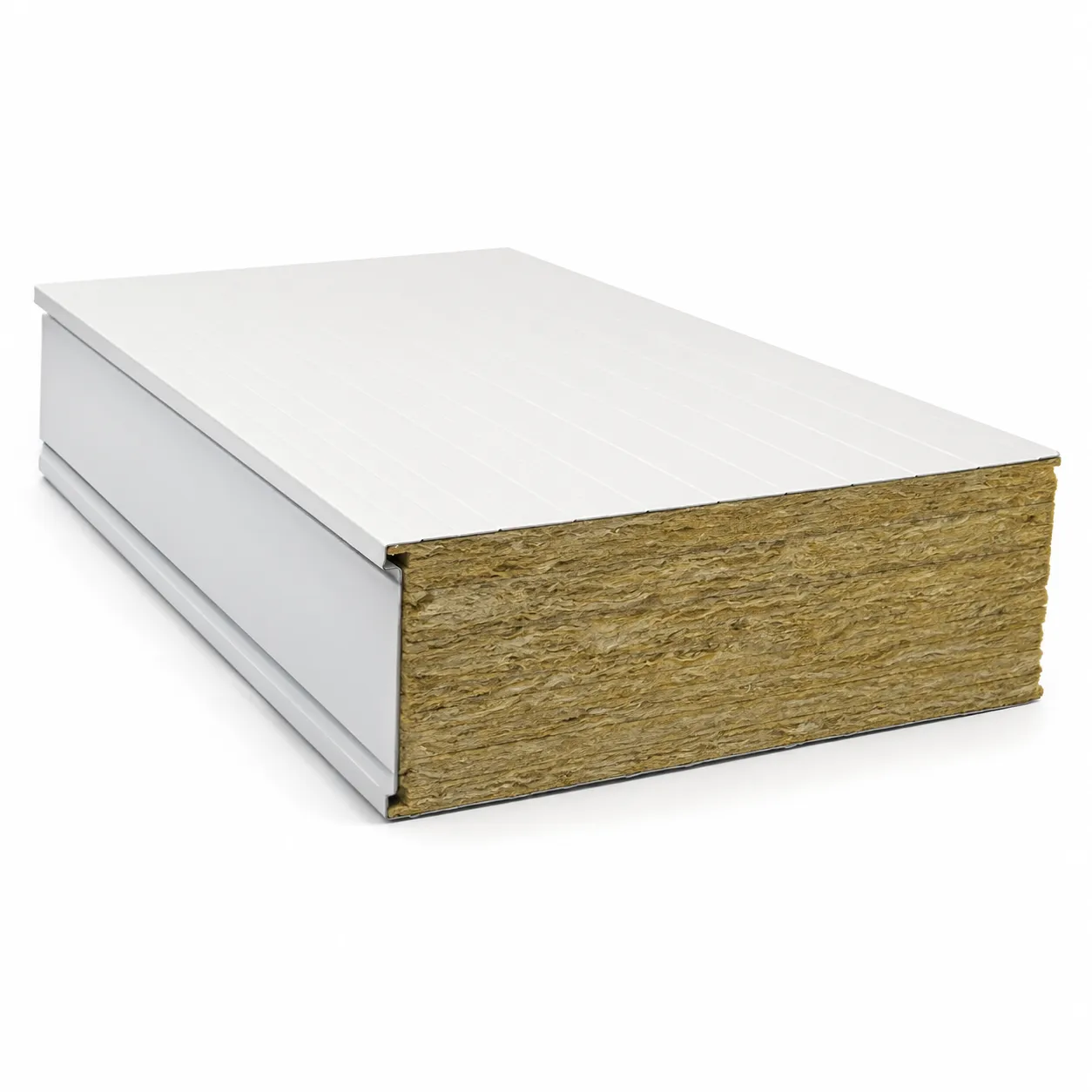
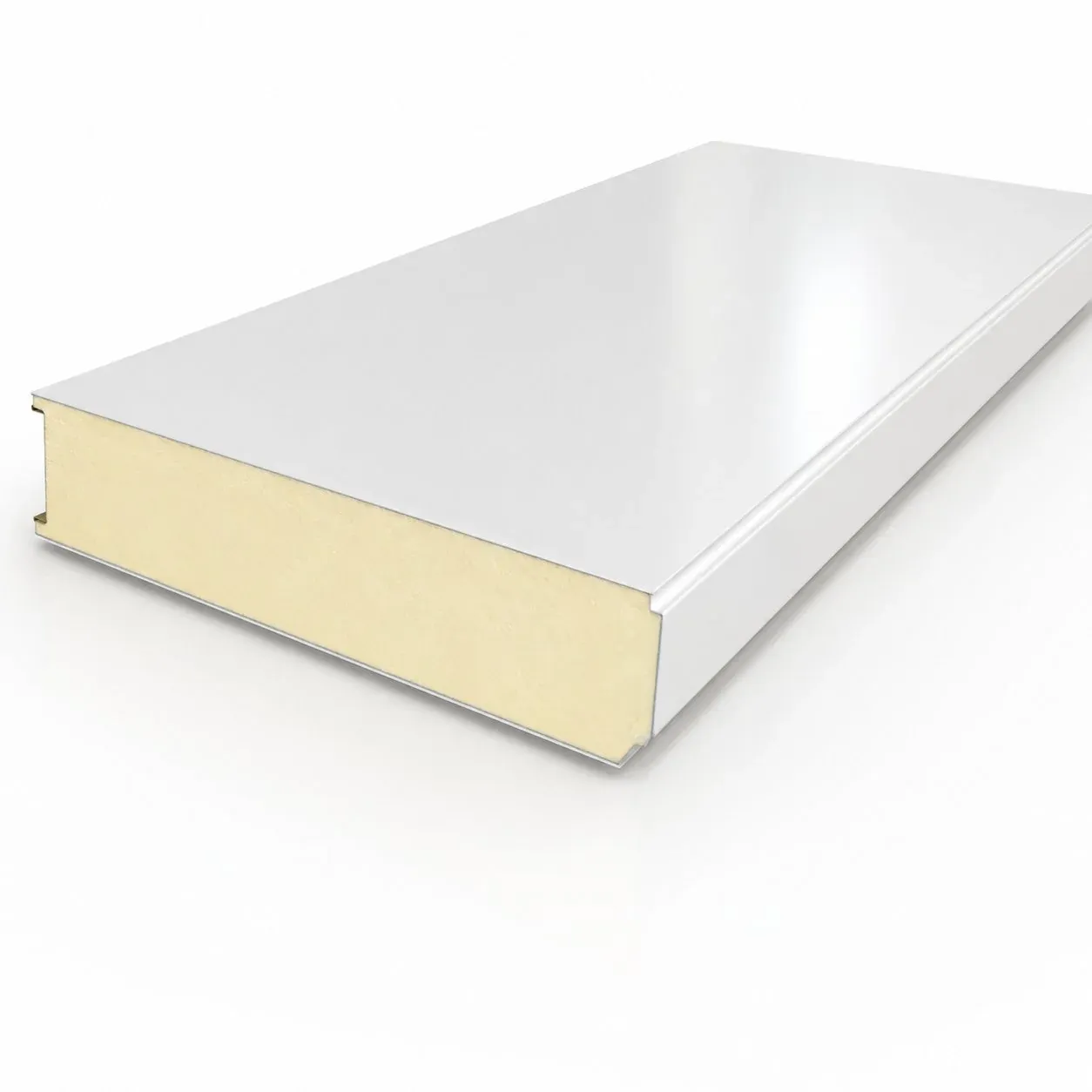
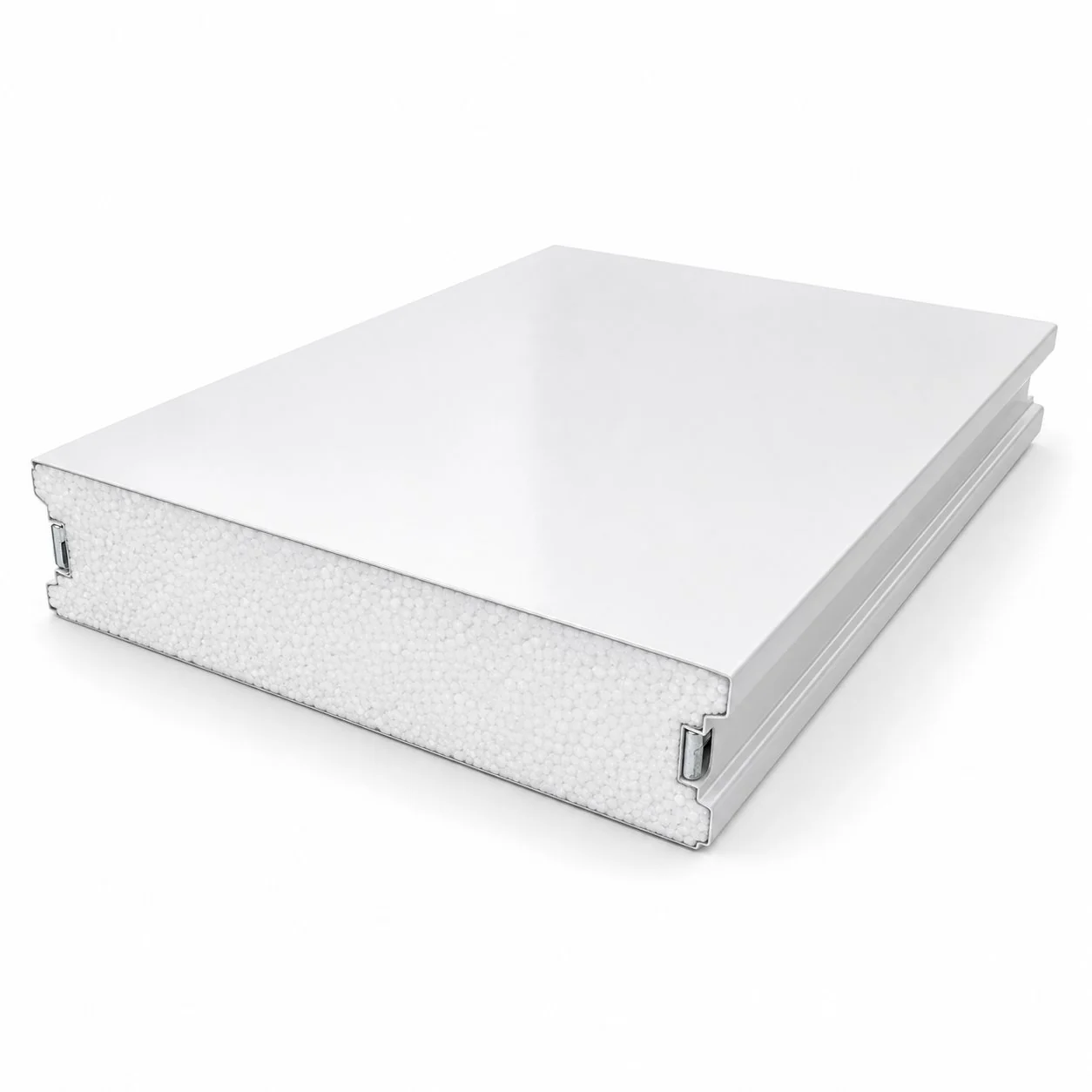
PIR Cold Room Panel
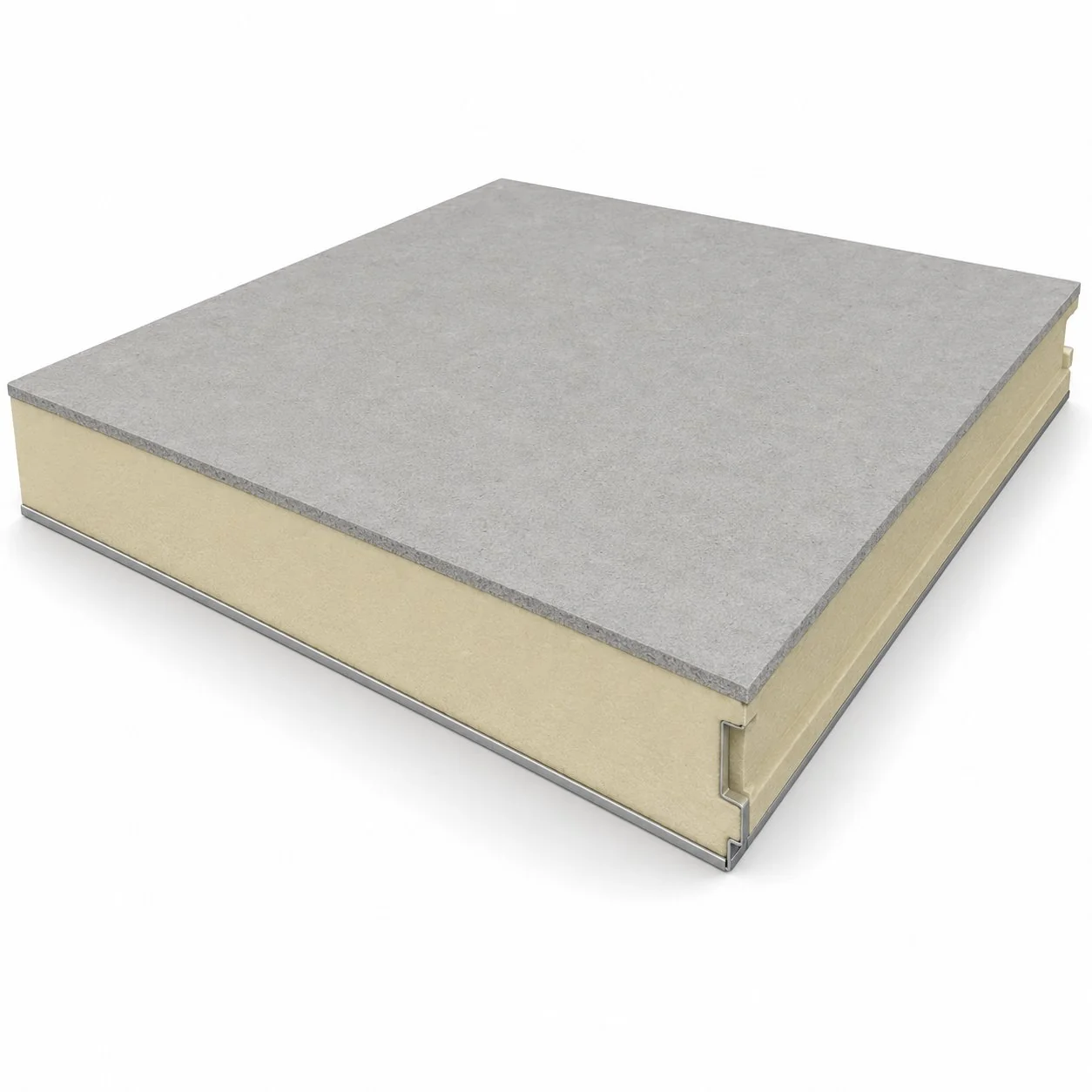
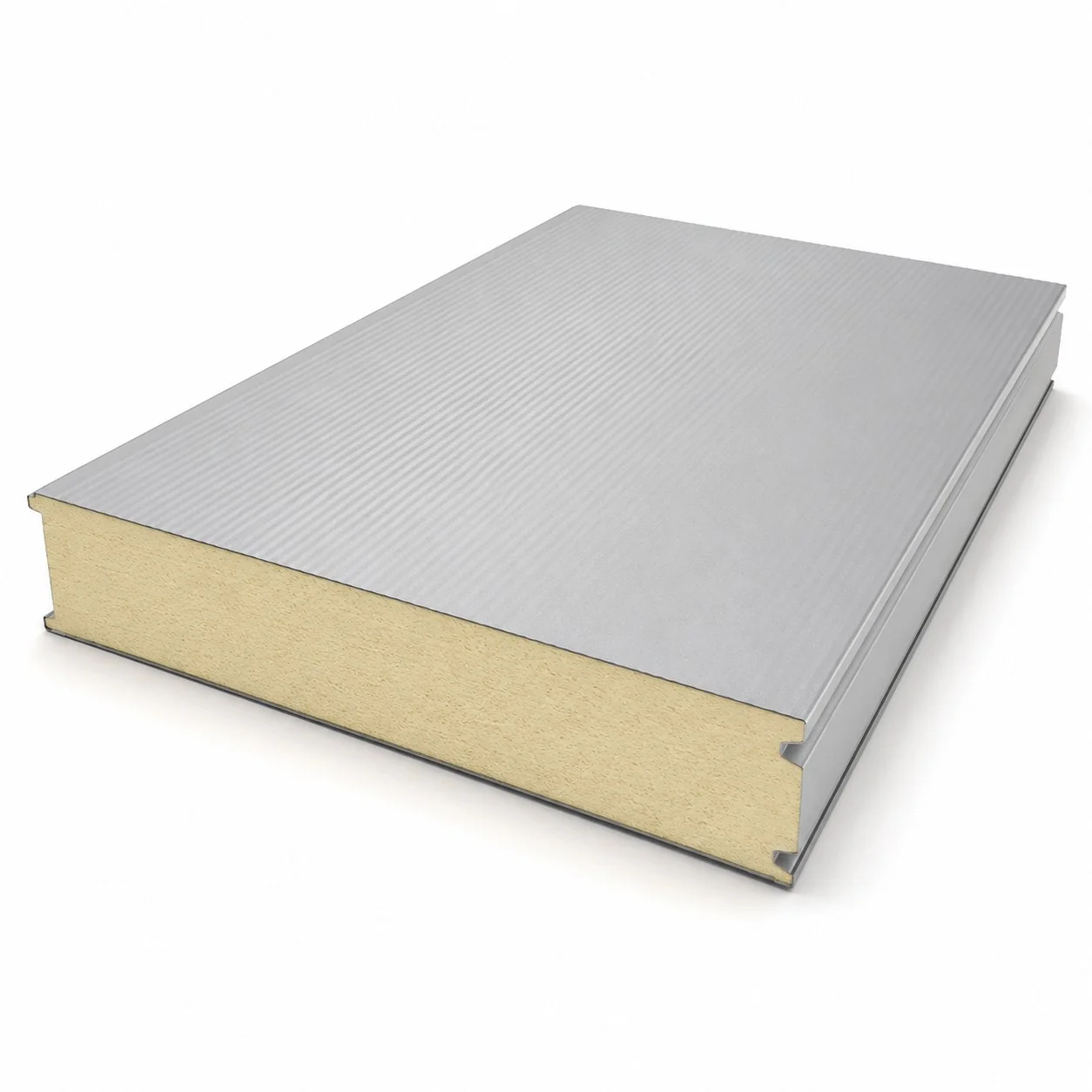
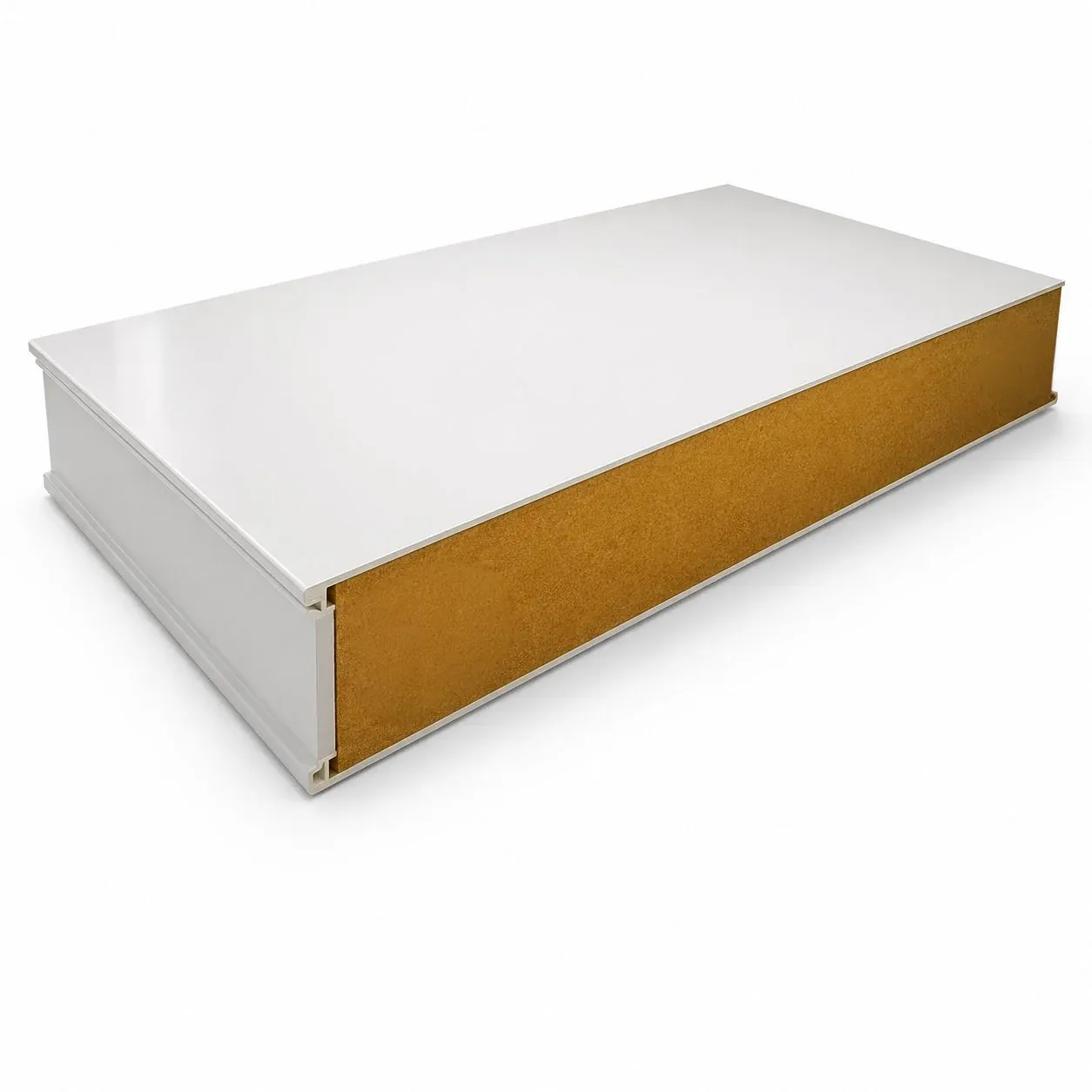
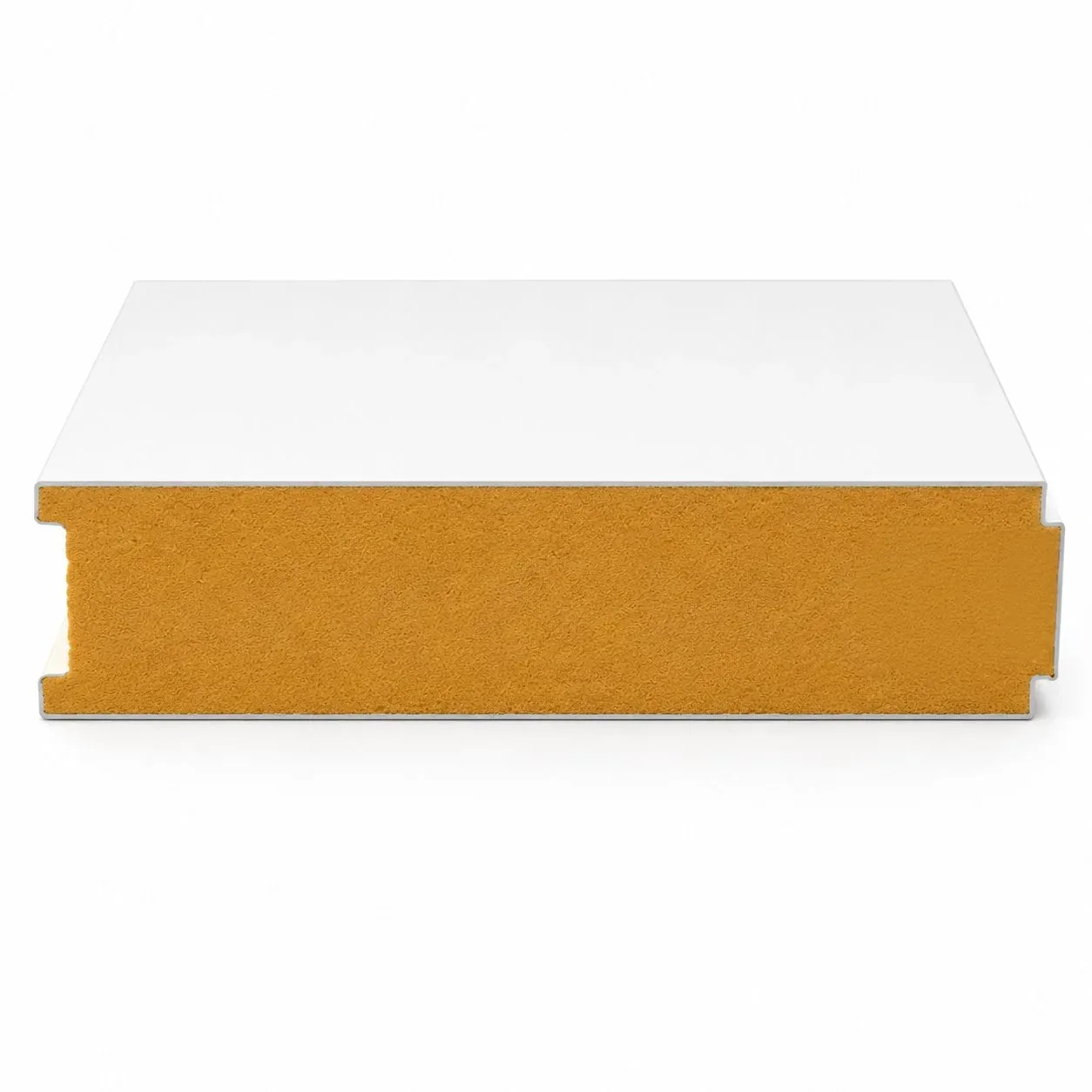
Fire-enhanced PIR cold room panel with polyisocyanurate core, cam-lock assembly, and food-grade hygienic surfaces. The mandatory upgrade when fire safety regulations, insurance requirements, or high-value inventory demand more than standard PUR in your cold storage.
- Fire Classification: B-s1, d0 (Euroclass) — very low smoke
- Thermal Conductivity: 0.023 W/mK
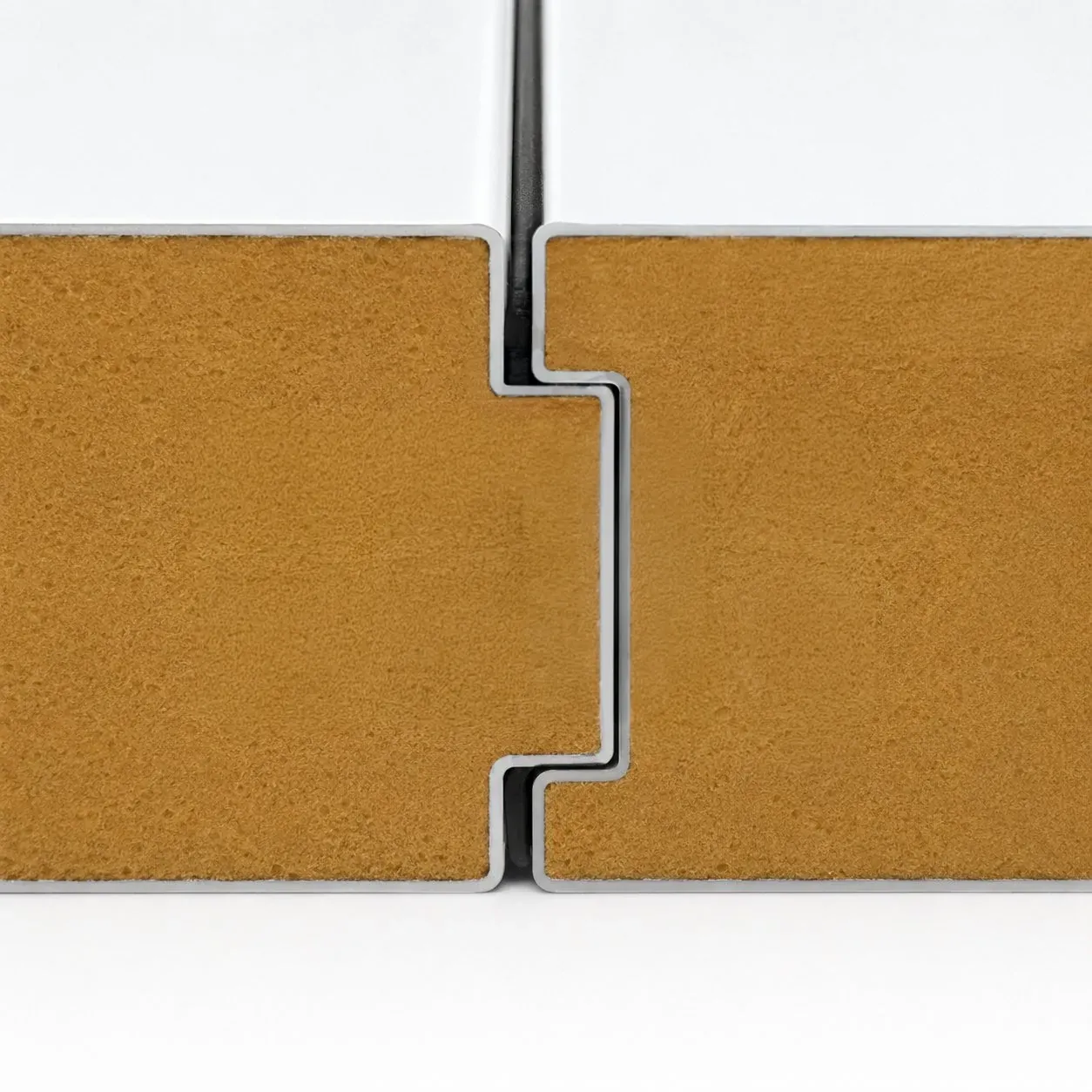
- Joint System: Cam-lock (eccentric hook) — airtight seal
- Surface Finish: Food-grade white polyester or stainless steel
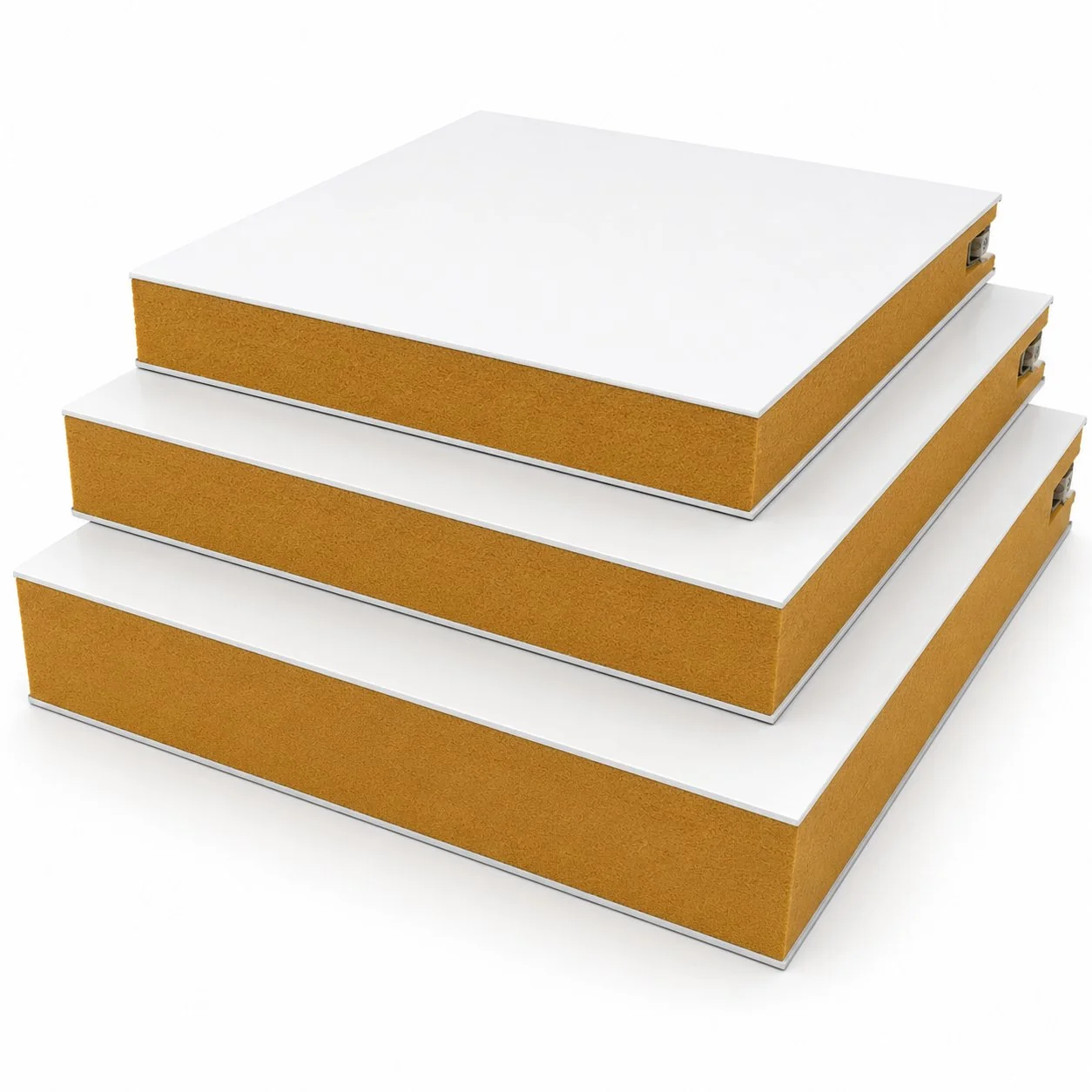
- Thickness Range: 60 / 80 / 100 / 120 / 150 / 200 mm
- Temperature Range: +15°C to -40°C
Standard fire rating sufficient? PUR cold room panel saves cost. Budget option: EPS cold room panel. Compare: Panel Selector.
When Cold Storage Meets Fire Safety
The PIR cold room panel upgrades Real Panel’s proven cold room system with a polyisocyanurate foam core that achieves Euroclass B-s1, d0 — the highest fire classification available in foam-core cold room construction. Everything else remains identical to our PUR cold room panels: the same cam-lock joints, the same hygienic surfaces, the same temperature performance. The only difference is enhanced fire behavior where it counts.
Cold storage facilities present unique fire risks. Refrigeration systems use electrical components and compressors that can overheat. Ammonia-based cooling systems add chemical hazard. Insulated panels, by their nature, contain combustible foam. When fire reaches a cold room, rapid smoke generation in an enclosed space is extremely dangerous — both for personnel and for the stored products. PIR’s s1 (very low smoke) classification directly addresses this risk.
Key Benefits
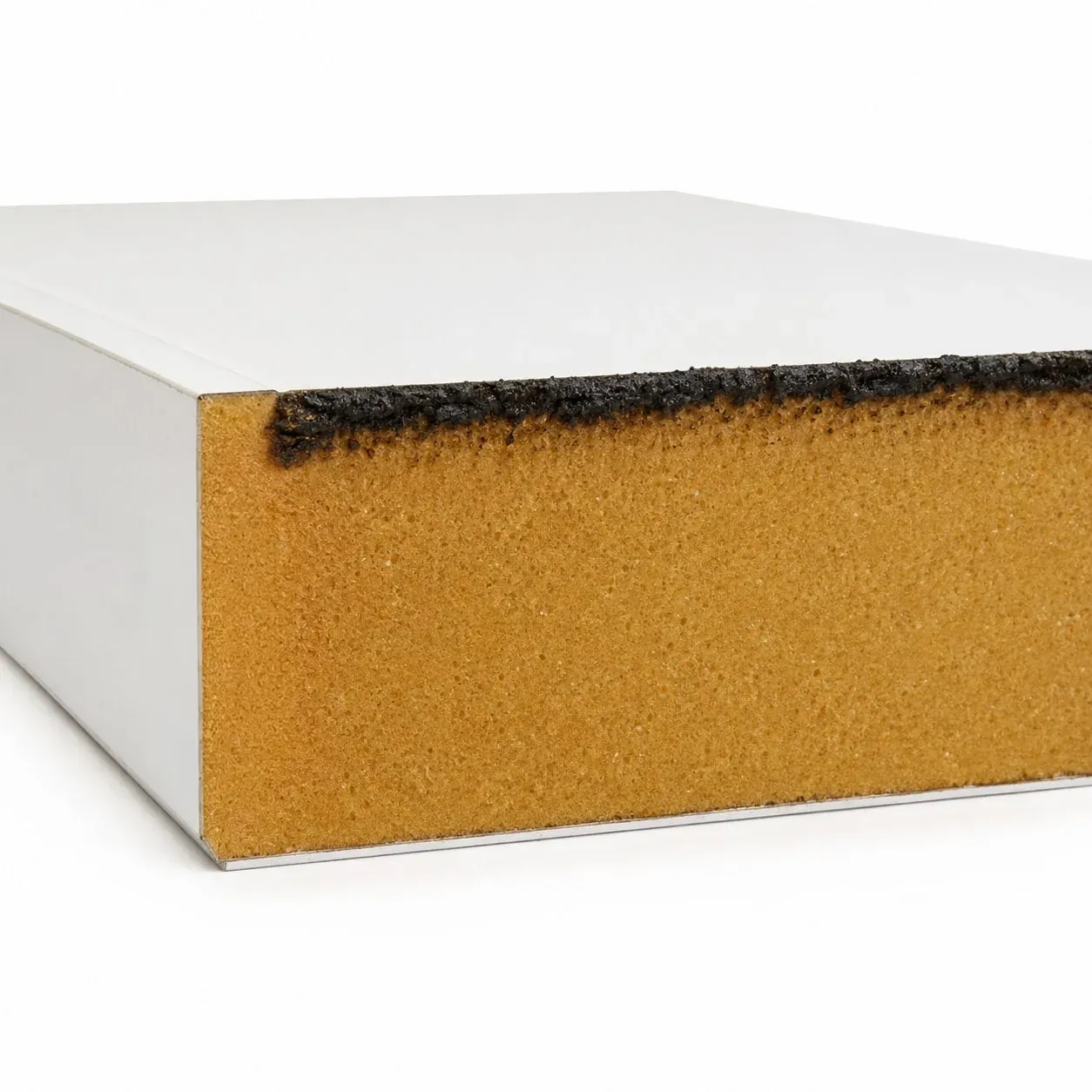
- Highest Foam-Core Fire Rating: B-s1, d0 — the best fire classification achievable with a foam-core cold room panel. PIR’s self-charring mechanism slows fire spread and limits smoke generation.
- Very Low Smoke in Enclosed Spaces: Cold rooms are sealed environments with limited ventilation. In a fire, s1 smoke classification means significantly less toxic smoke fills the space, giving workers more time to evacuate safely.
- Insurance Compliance: Many food industry, pharmaceutical, and logistics insurers now require or incentivize B-s1 cold room panels. Specifying PIR can reduce your annual insurance premium and ensure uninterrupted coverage.
- Same Cam-Lock System: Identical eccentric hook joints with EPDM gaskets as PUR panels. Same airtight, vapor-tight seal. Same tool-free assembly. No learning curve for installation crews.
- Near-Identical Thermal Performance: Lambda 0.023 W/mK versus PUR’s 0.022. At 150 mm thickness, the difference is less than 1% in U-value. Fire safety upgrade at negligible thermal cost.
- Regulatory Future-Proofing: Fire regulations for cold storage are tightening across Europe. PIR panels position your facility ahead of coming code changes, avoiding costly retrofits.
Manufactured at our production facility in Turkey. Available for domestic and export orders.
When to Choose PIR Over PUR for Cold Rooms
- Food & Pharma — meat processing, dairy, pharmaceutical storage where fire regulations are strict
- Cold Storage Facilities storing high-value inventory (frozen food brands, medical products, expensive ingredients)
- Ammonia-refrigerated facilities — where the combined risk of ammonia + fire demands enhanced panel fire performance
- Insurance-mandated specifications — when your insurer requires or incentivizes B-s1 rated panels
- Multi-chamber cold rooms — where fire in one chamber must not compromise adjacent temperature zones
- Export market projects — EU member states increasingly require B-s1 for new cold storage construction
For standard cold storage where B-s2 is acceptable: PUR cold room panel. For budget cold rooms: EPS cold room panel.
Panel Specifications
| SPECIFICATION | VALUE |
| Core Material | Rigid polyisocyanurate foam (PIR), CFC/HCFC-free, closed-cell |
| Core Density | 42–45 kg/m³ |
| Thermal Conductivity (λ) | 0.023 W/mK (declared per EN 14509) |
| Panel Thickness | 60 / 80 / 100 / 120 / 150 / 200 mm |
| Panel Profile | Flat / smooth (both faces) |
| Effective Width | 1150 mm (standard) |
| Maximum Length | Up to 12,000 mm |
| Both Facings | Pre-painted galvanized steel, 0.5–0.6 mm, white polyester (food-grade) |
| Optional Facings | Stainless steel (AISI 304/316), plastisol, PVC laminate |
| Joint System | Cam-lock (eccentric hook) with EPDM gasket |
| Cam-Lock Spacing | Every 500–600 mm along panel edge |
| Fire Reaction | B-s1, d0 (Euroclass per EN 13501-1) |
| Smoke Classification | s1 — very low smoke production |
| Weight (approx.) | ~12–15 kg/m² (at 100 mm) |
| Operating Temperature | +15°C to -40°C |
| Vapor Permeability | Negligible — closed-cell PIR + steel facings |
| Hygiene | Food-grade, HACCP compatible |
| Floor Panel Option | Available with reinforced facing |
| Standards | EN 14509, CE Marked, ISO 9001, HACCP compatible |
Recommended Thickness by Temperature
| SPECIFICATION | VALUE |
| +15°C to +5°C (chilled) | 60–80 mm |
| +5°C to 0°C (fresh) | 80–100 mm |
| 0°C to -18°C (frozen) | 100–150 mm |
| -18°C to -25°C (deep freeze) | 150–180 mm |
| -25°C to -40°C (blast freeze) | 180–200 mm |
Calculate: U-Value Calculator.
U-Value by Panel Thickness
| SPECIFICATION | VALUE |
| 60 mm | U = 0.37 W/m²K |
| 80 mm | U = 0.28 W/m²K |
| 100 mm | U = 0.23 W/m²K |
| 120 mm | U = 0.19 W/m²K |
| 150 mm | U = 0.15 W/m²K |
| 200 mm | U = 0.11 W/m²K |
Why Fire Risk Is Elevated in Cold Storage
Cold storage facilities face fire risks that standard commercial or industrial buildings do not:
- Electrical systems: Refrigeration compressors, evaporator fans, defrost heaters, and control panels operate continuously. Electrical faults are the leading cause of cold storage fires.
- Ammonia refrigeration: Large cold storage facilities often use ammonia as a refrigerant. Ammonia leaks combined with fire create toxic conditions that can be lethal.
- Sealed environment: Cold rooms are designed to be airtight. In a fire, smoke has nowhere to go — it fills the enclosed space rapidly, reducing visibility to zero within seconds.
- Limited access: Cold room doors are heavy, insulated, and often latched. Panicked workers may struggle to exit through doors designed to seal tightly.
- Combustible contents: Packaging materials (cardboard, plastic wrap, wooden pallets) inside cold rooms provide significant fire fuel load.
How PIR Addresses These Risks
| SPECIFICATION | VALUE |
| Smoke Production | PIR (s1): very low — maintains visibility longer in sealed cold rooms |
| Self-Charring | PIR forms protective carbon layer, slowing fire penetration through wall panels |
| Fire Spread | PIR’s char layer limits lateral fire spread between cold room chambers |
| Toxicity | Lower smoke volume = lower concentration of toxic combustion gases in enclosed space |
| Cost Premium | 10–15% over PUR cold room panels — a fraction of potential fire damage costs |
Insurance Perspective
Cold storage insurance is a specialized market where underwriters are acutely aware of fire risk. Key factors that influence your cold storage insurance premium:
- Panel fire classification (B-s1 PIR vs B-s2 PUR can make a meaningful premium difference)
- Refrigeration type (ammonia systems face higher scrutiny)
- Detection and suppression systems (sprinklers, early warning)
- Content value (high-value frozen goods increase exposure)
- Building compartmentation (fire stops between chambers)
Discuss your cold room panel specification with your insurance broker before finalizing. For fire solutions across your entire facility: Fire Resistance Solutions.
How does the PIR cold room panel compare?
| Feature | PIR | PUR | EPS |
| Thermal (λ) | 0.023 | 0.022 | 0.035 |
| Fire Class | B-s1, d0 | B-s2, d0 | E |
| Smoke | Very Low (s1) | Low (s2) | Moderate |
| Thickness for -25°C | 155 mm | 150 mm | 220+ mm |
| Cost | $$$ | $$ | $ |
| Cam-Lock | Yes | Yes | Yes |
| Insurance | Premium savings | Standard rate | Higher rate (E) |
| Best For | Fire-critical cold | Standard cold | Budget cold |
Alternatives: PUR Cold Room · EPS Cold Room
Decide: Panel Selector.
Certifications
- EN 14509: Self-supporting insulating panels.
- CE Marking: European market compliance.
- EN 13501-1: Fire reaction — Euroclass B-s1, d0.
- HACCP Compatible: Food-grade hygienic surfaces.
- ISO 9001: Manufacturing quality management.
All certificates: Quality & Certificates.
What is the difference between PIR and PUR cold room panels?
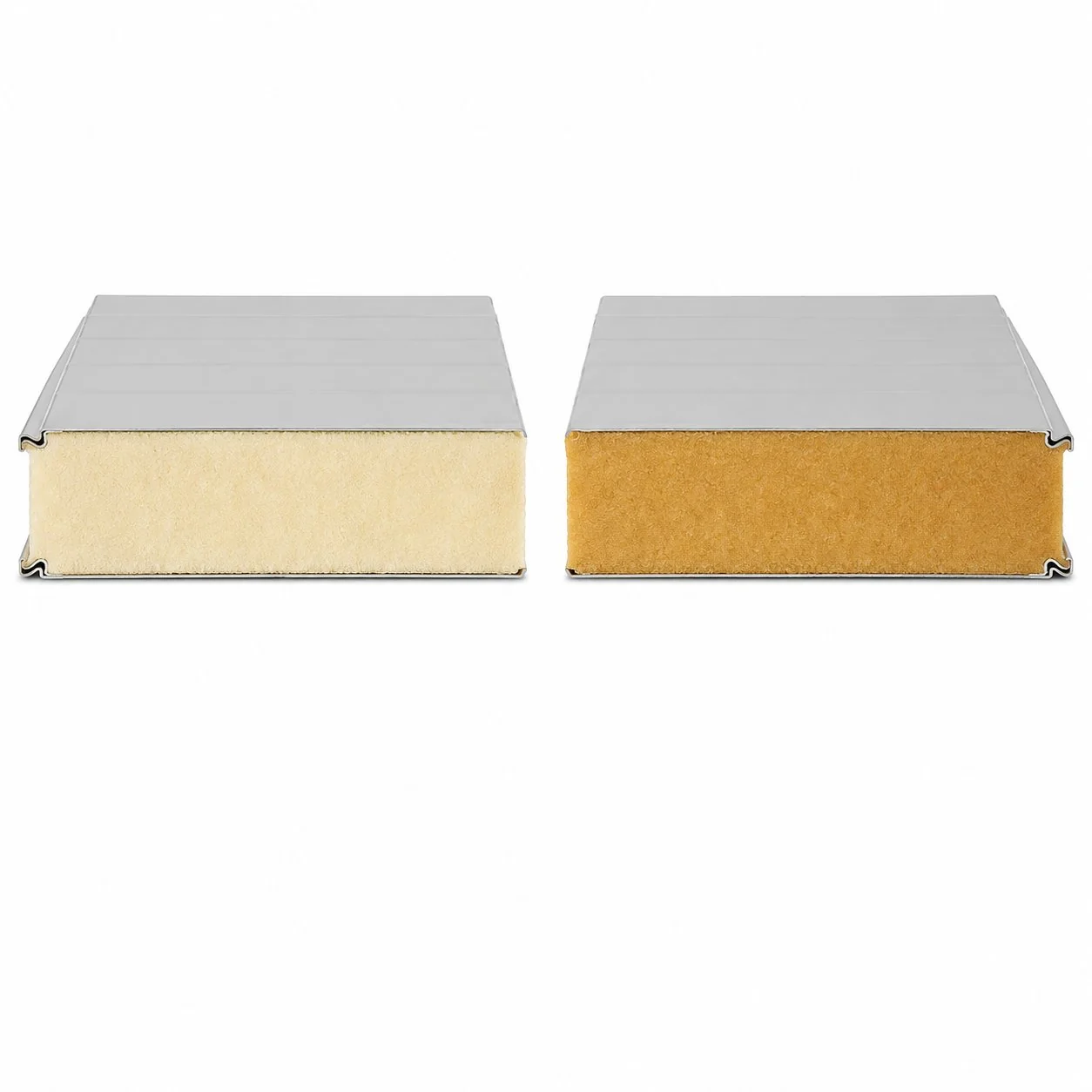
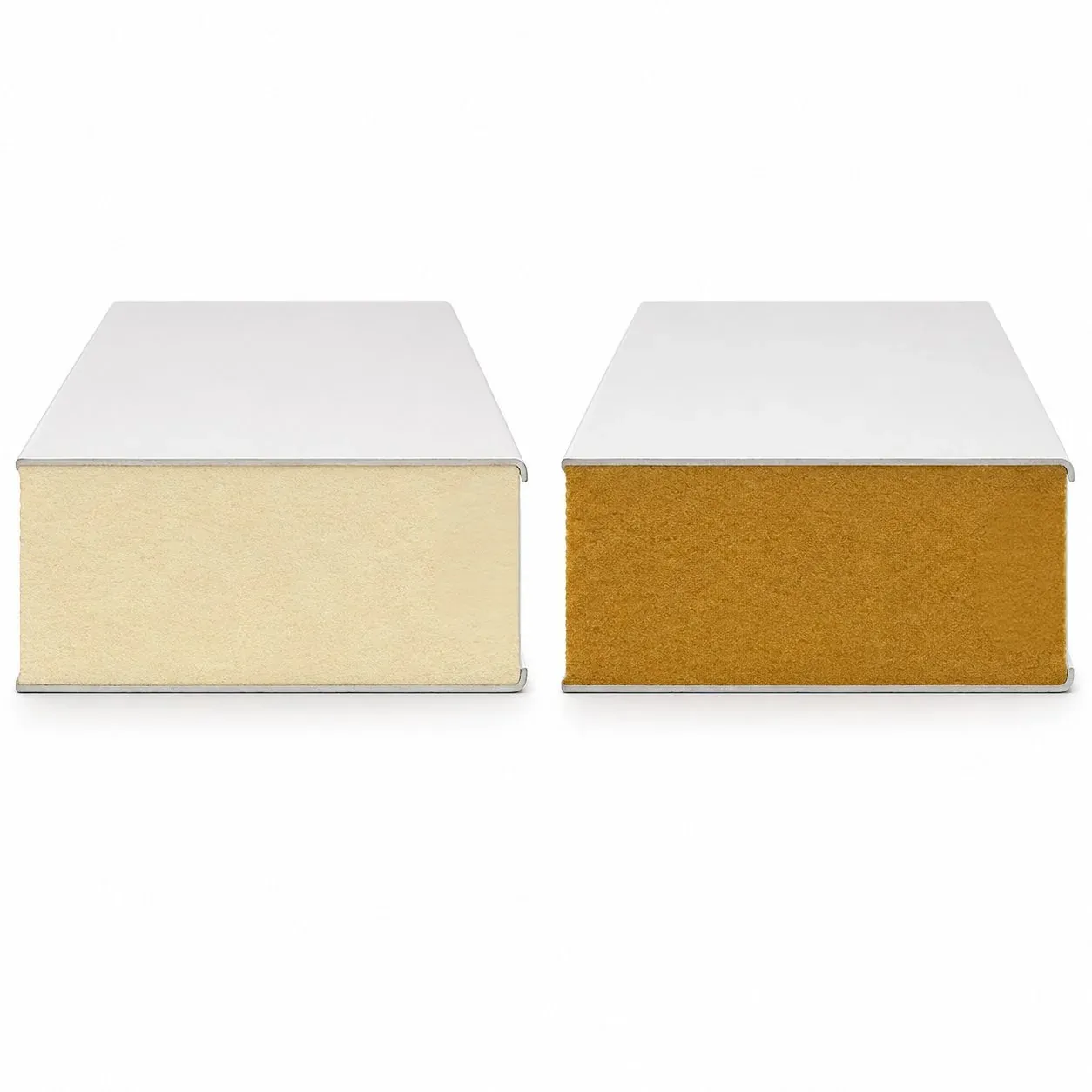
Both use cam-lock joints, identical dimensions, and the same hygienic surface options. The only difference is the foam core chemistry: PIR achieves B-s1, d0 (very low smoke) versus PUR’s B-s2, d0 (low smoke). Thermally, PIR is 0.023 W/mK vs PUR’s 0.022 — negligible. PIR costs approximately 10–15% more. Choose PIR when fire regulations, insurance, or risk management demand the upgrade.
Is PIR required for food storage cold rooms?
Not universally, but increasingly so. EU regulations and national building codes are tightening fire requirements for food storage facilities, particularly large-scale distribution centers and facilities using ammonia refrigeration. Check your local regulations and insurance requirements. PIR positions your facility for current and future compliance.
Does PIR affect cold room temperature performance?
Negligibly. At 150 mm thickness, a PIR panel has a U-value of 0.15 W/m²K versus PUR’s 0.15 W/m²K at the same thickness. In practical cold room operation, there is no measurable difference in energy consumption or temperature stability between PIR and PUR panels.
Can I mix PIR and PUR panels in the same cold room?
Technically possible (same dimensions, same cam-lock system), but not recommended. Using different fire ratings on different walls creates compliance ambiguity. Specify PIR consistently for the entire cold room enclosure to ensure uniform fire classification.
What about ammonia refrigeration compatibility?
PIR panels are compatible with ammonia (R-717) refrigeration systems. The enhanced fire rating of PIR is particularly relevant for ammonia cold rooms because ammonia fires produce extremely toxic smoke. PIR’s s1 classification reduces total smoke volume, improving evacuation safety in ammonia-related fire incidents.
Can PIR cold room panels be relocated?
Yes. Same cam-lock disassembly/reassembly as PUR. Panels can be taken apart and rebuilt at a new location without damage.
Do you export PIR cold room panels?
Yes. Romania, Bulgaria, Georgia, Macedonia, Kosovo. Request a quote or visit Export Markets