

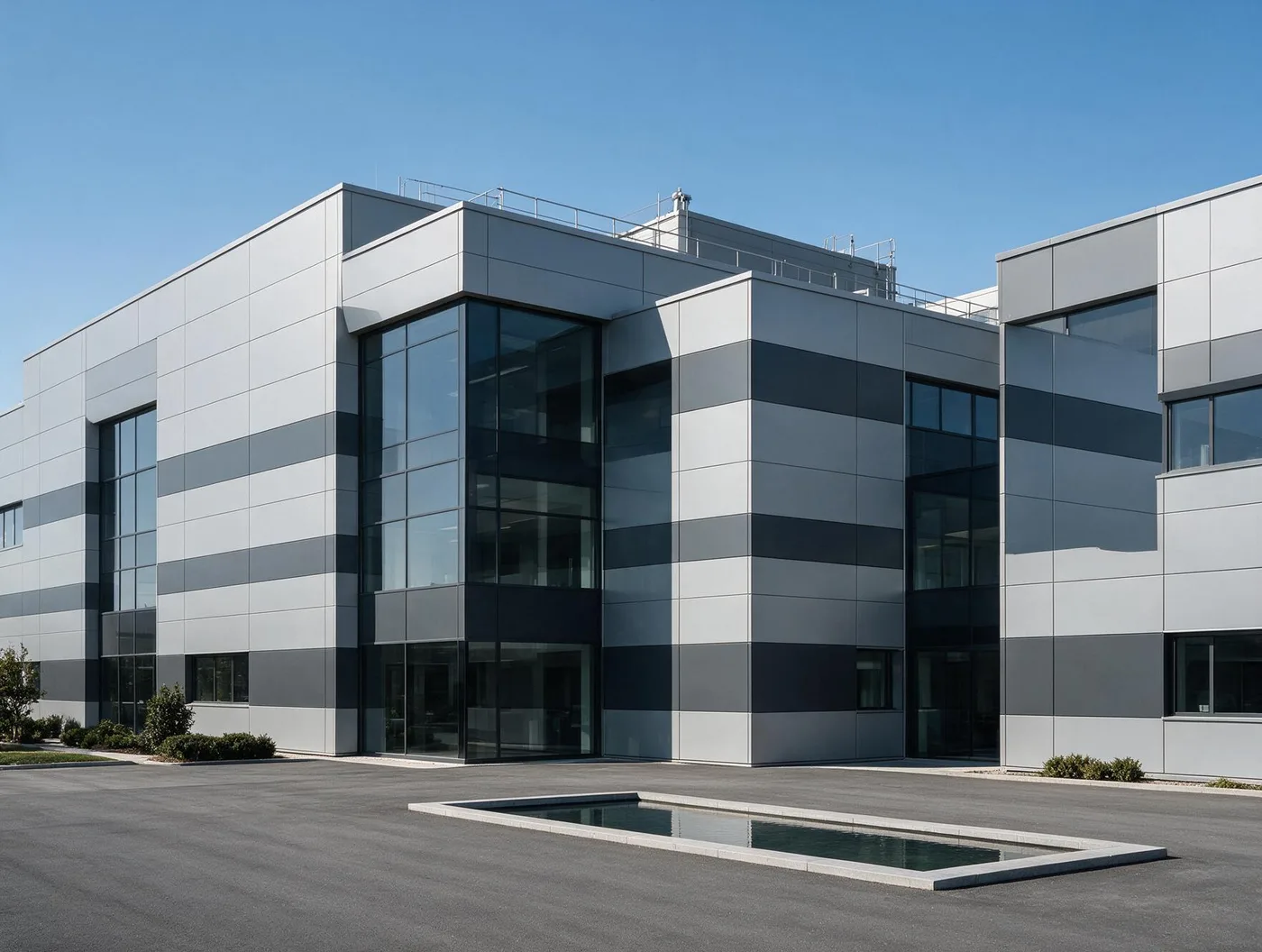
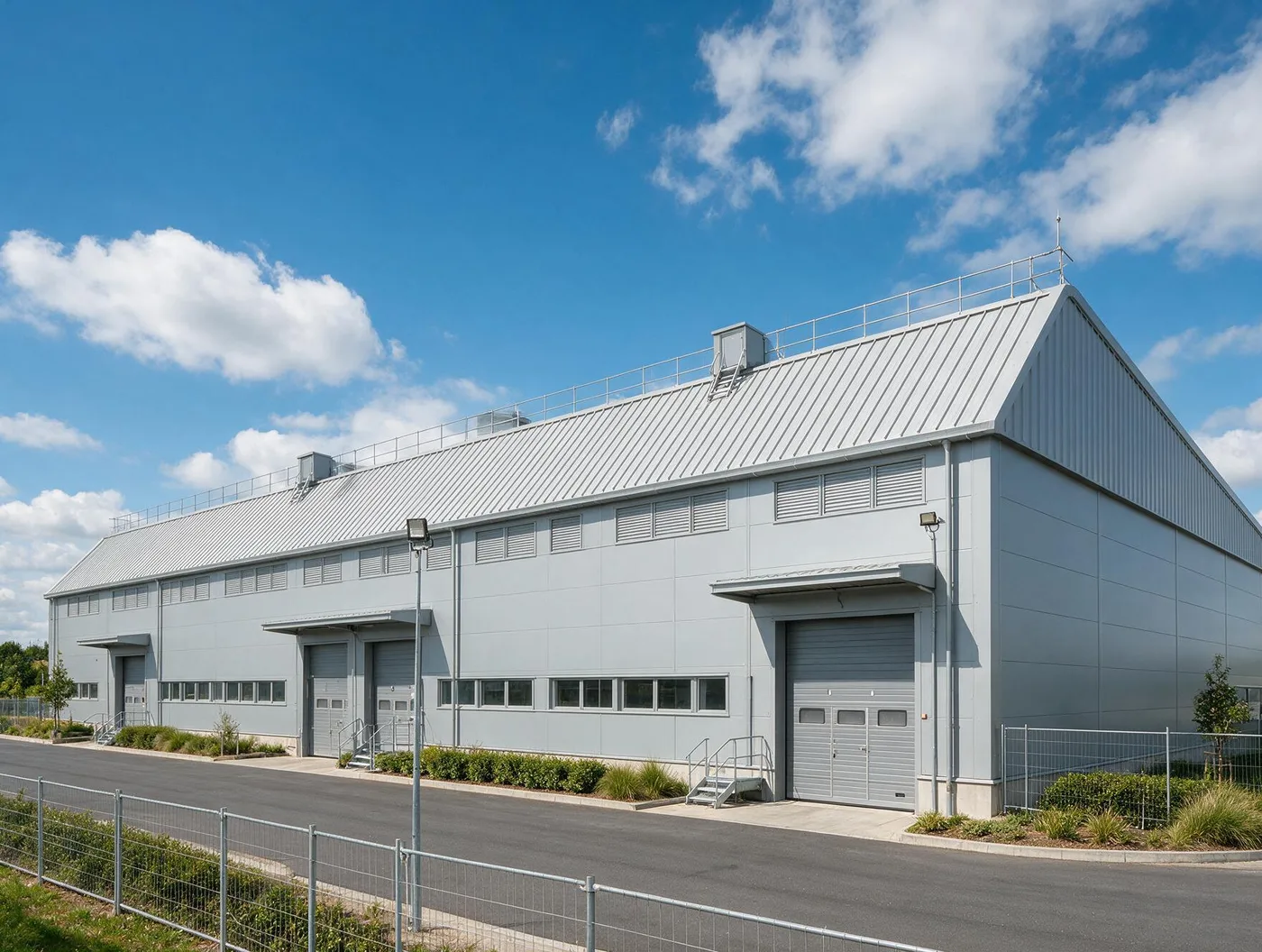
PIR Roof Panel
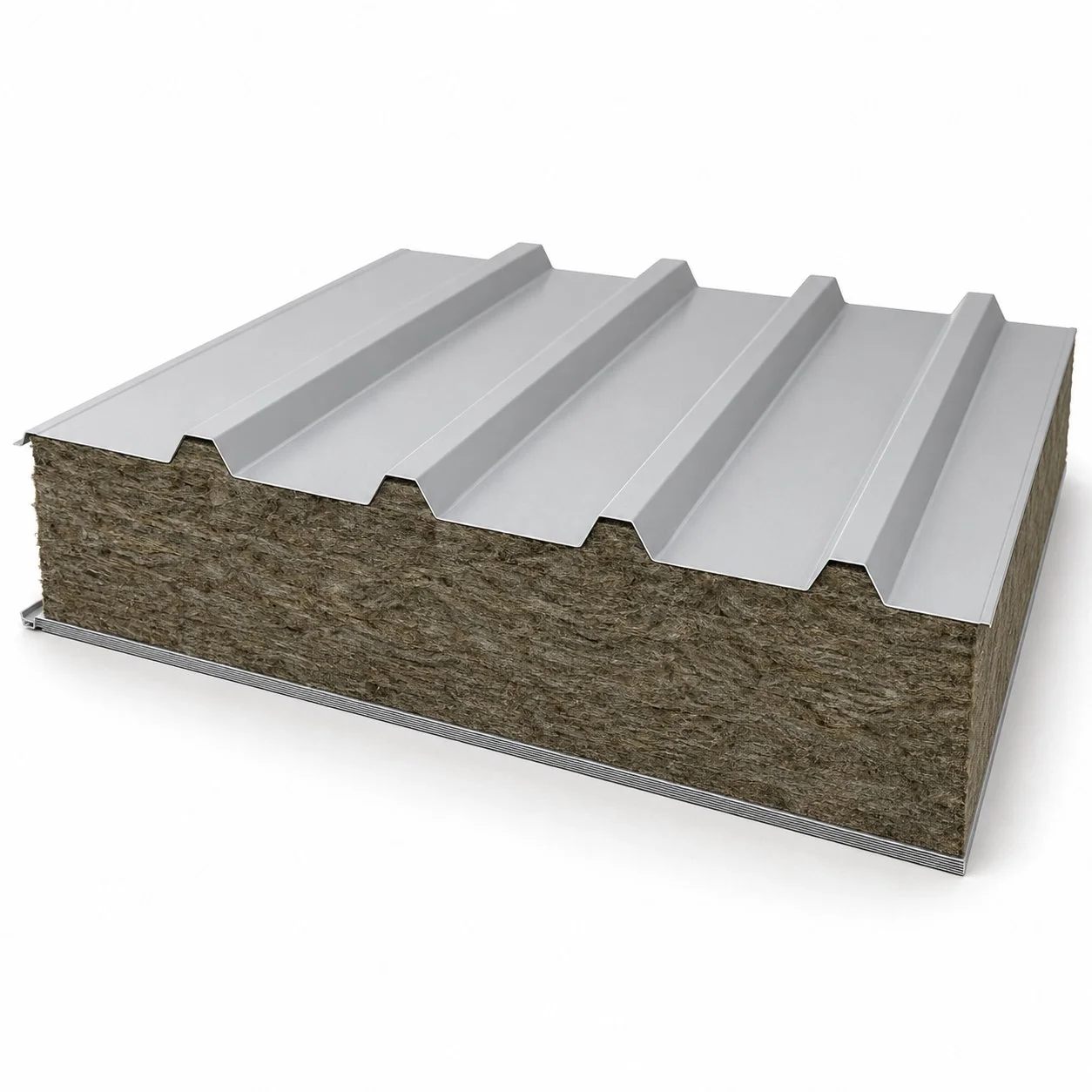
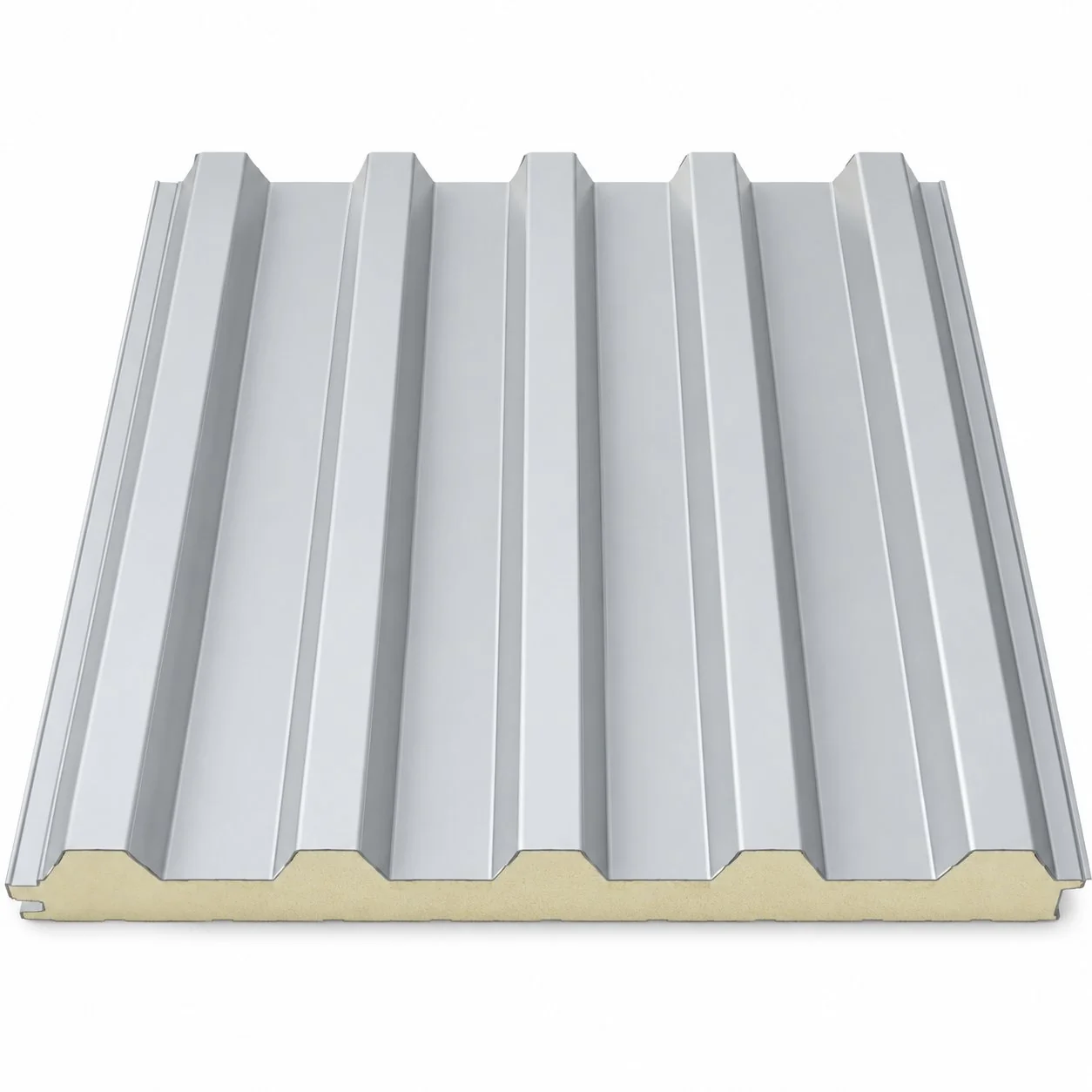
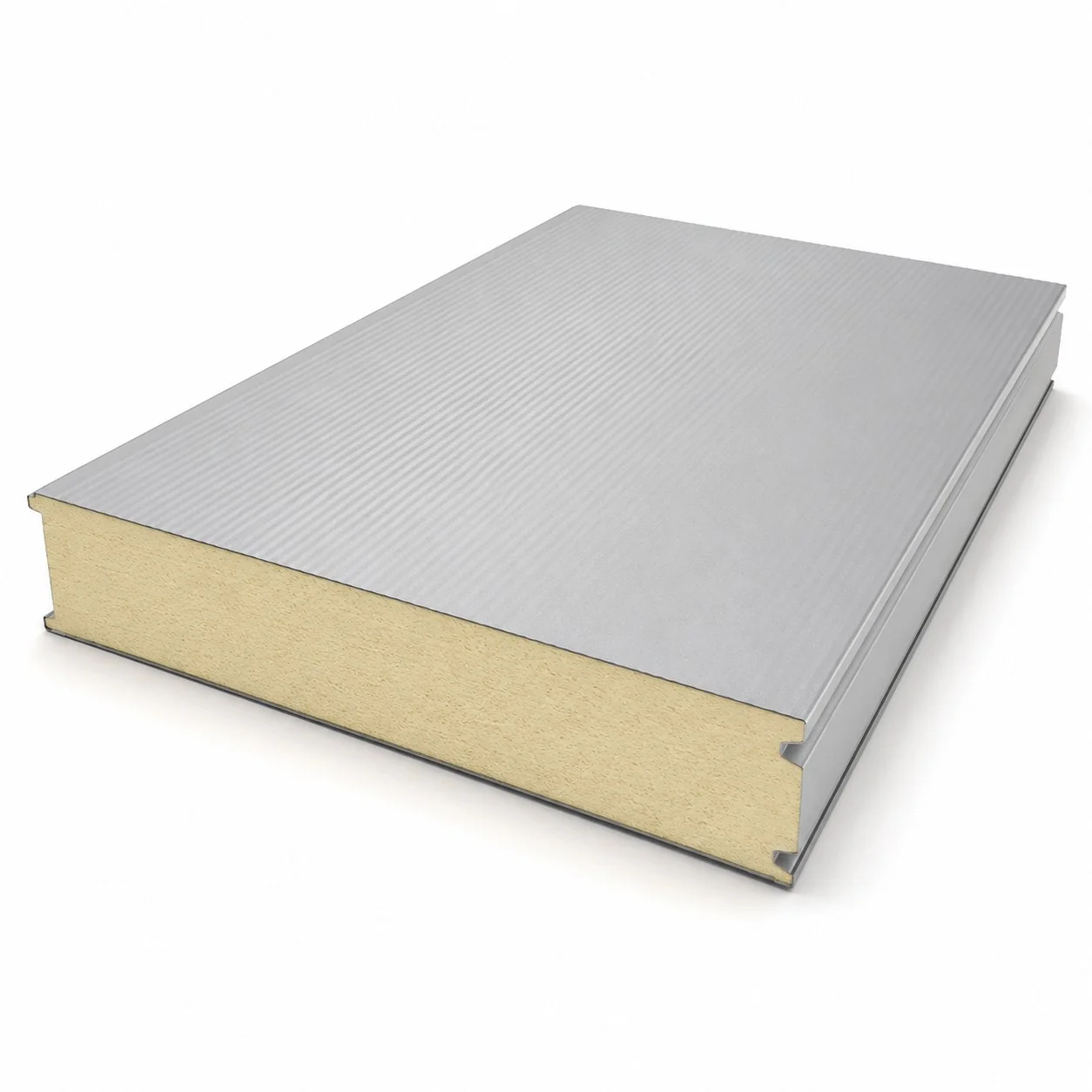
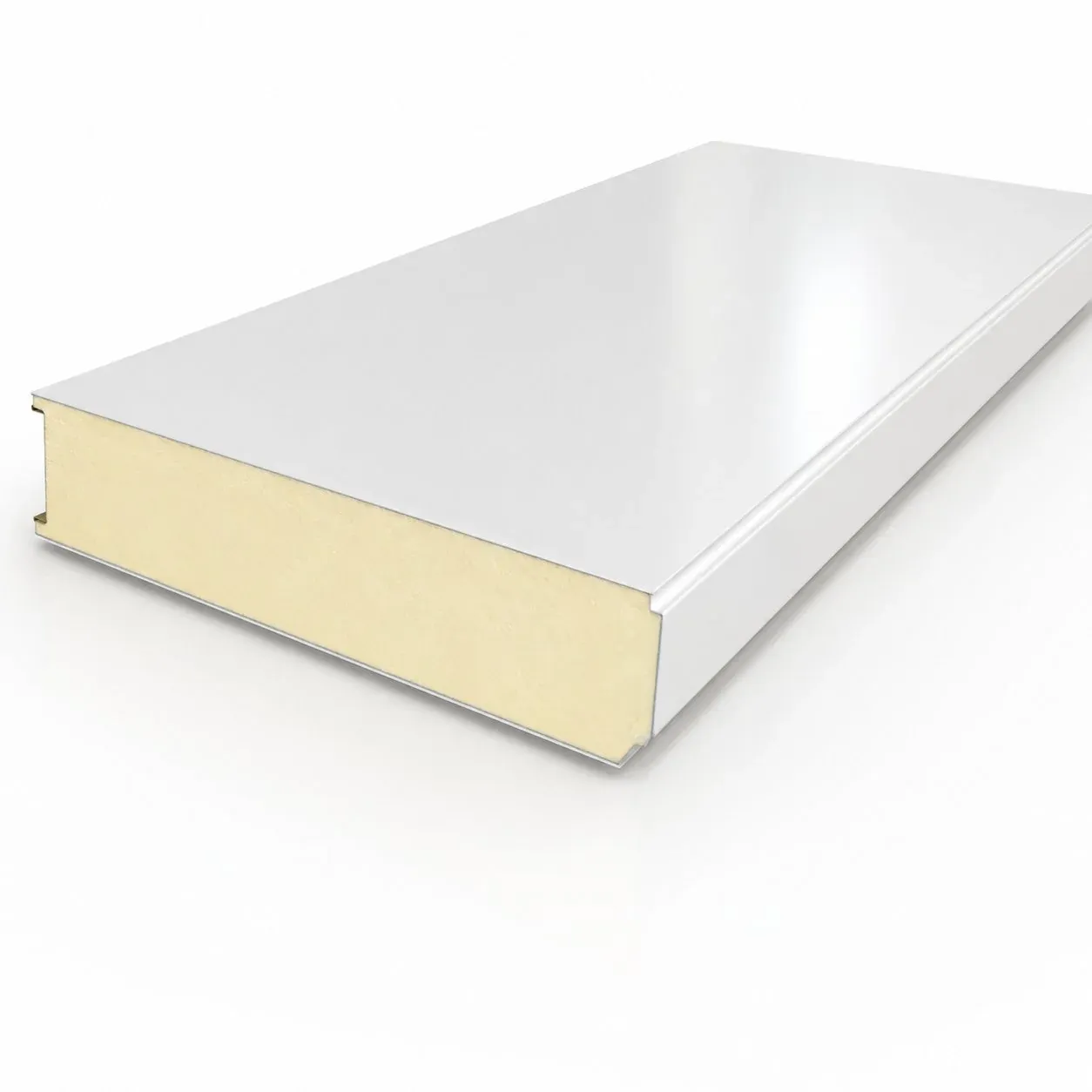
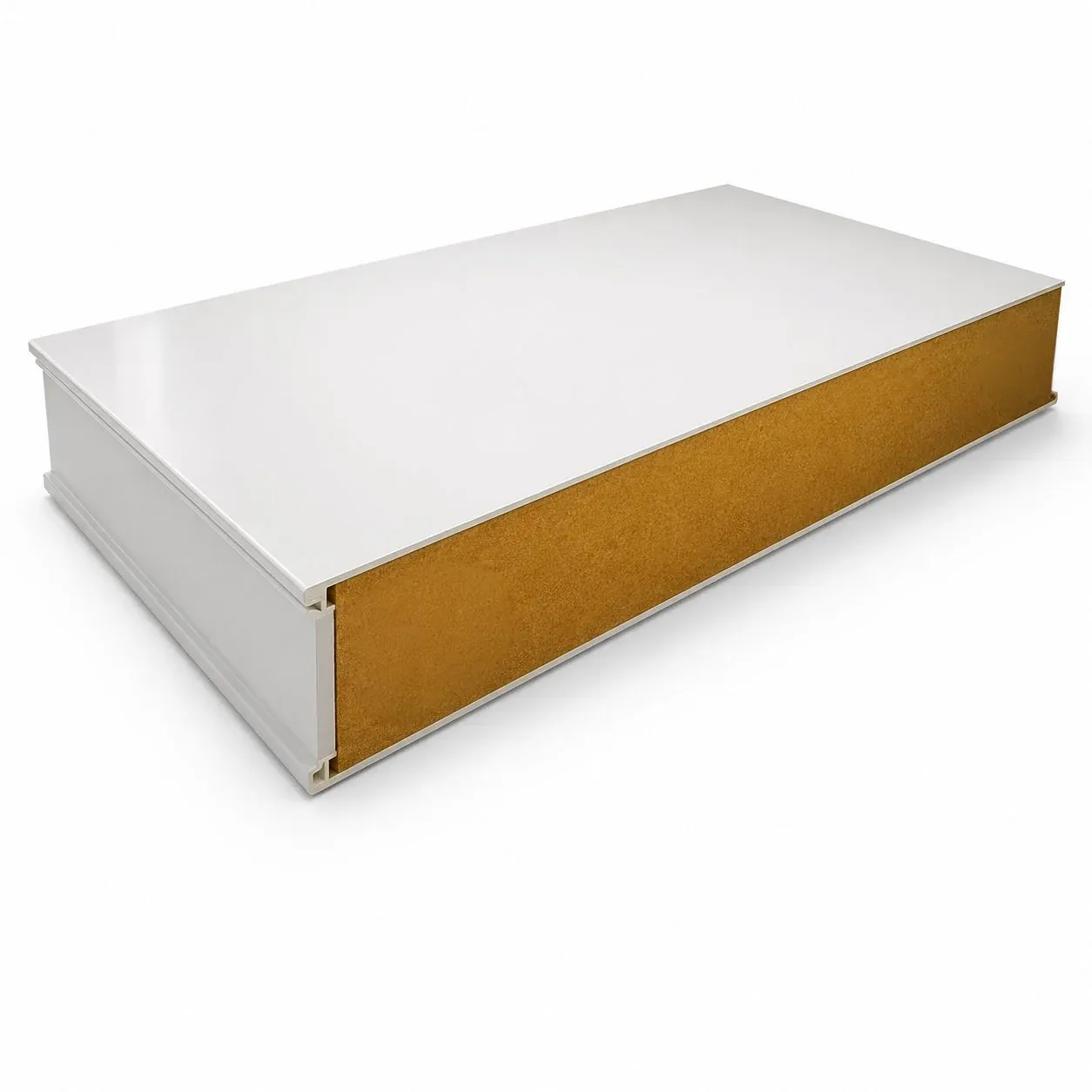
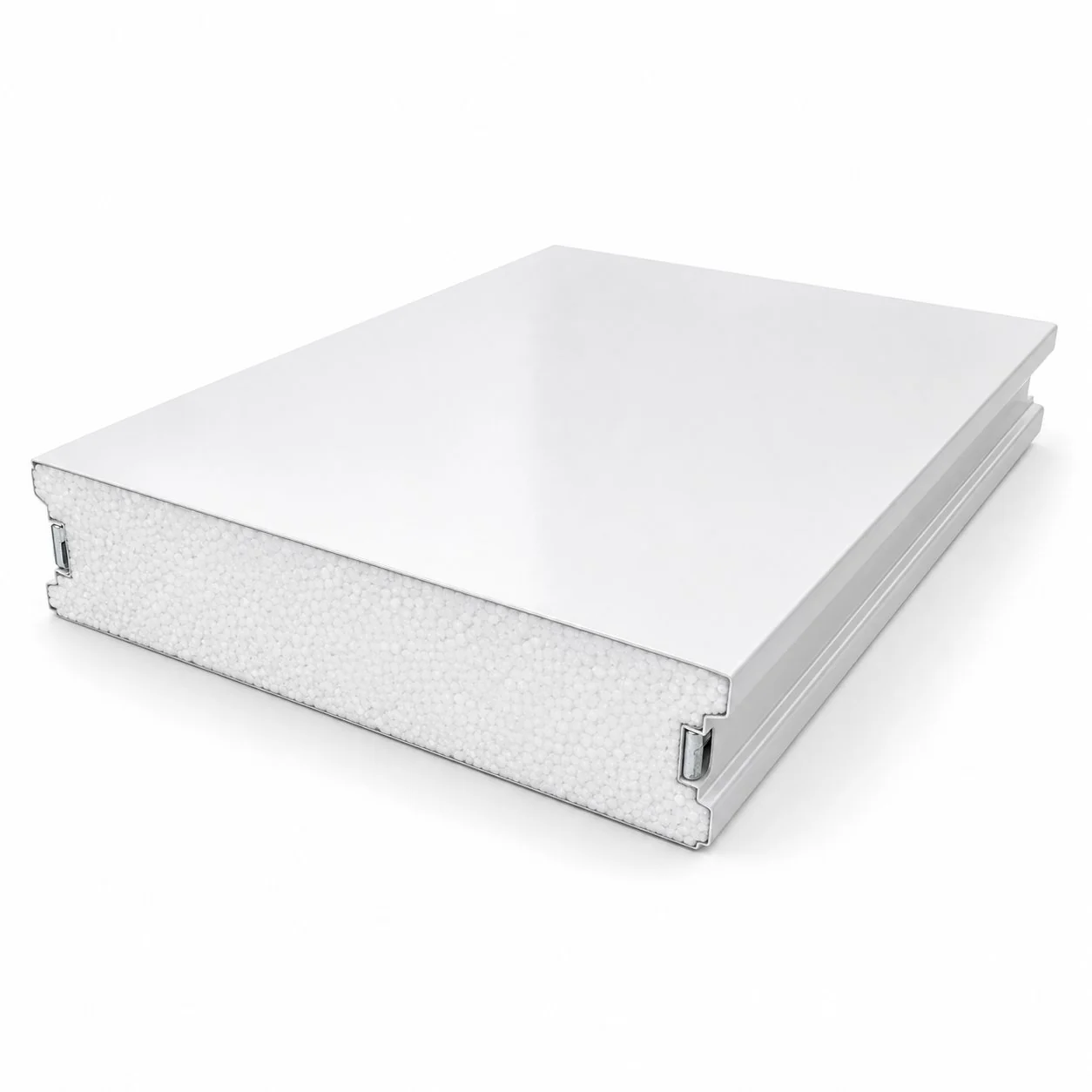
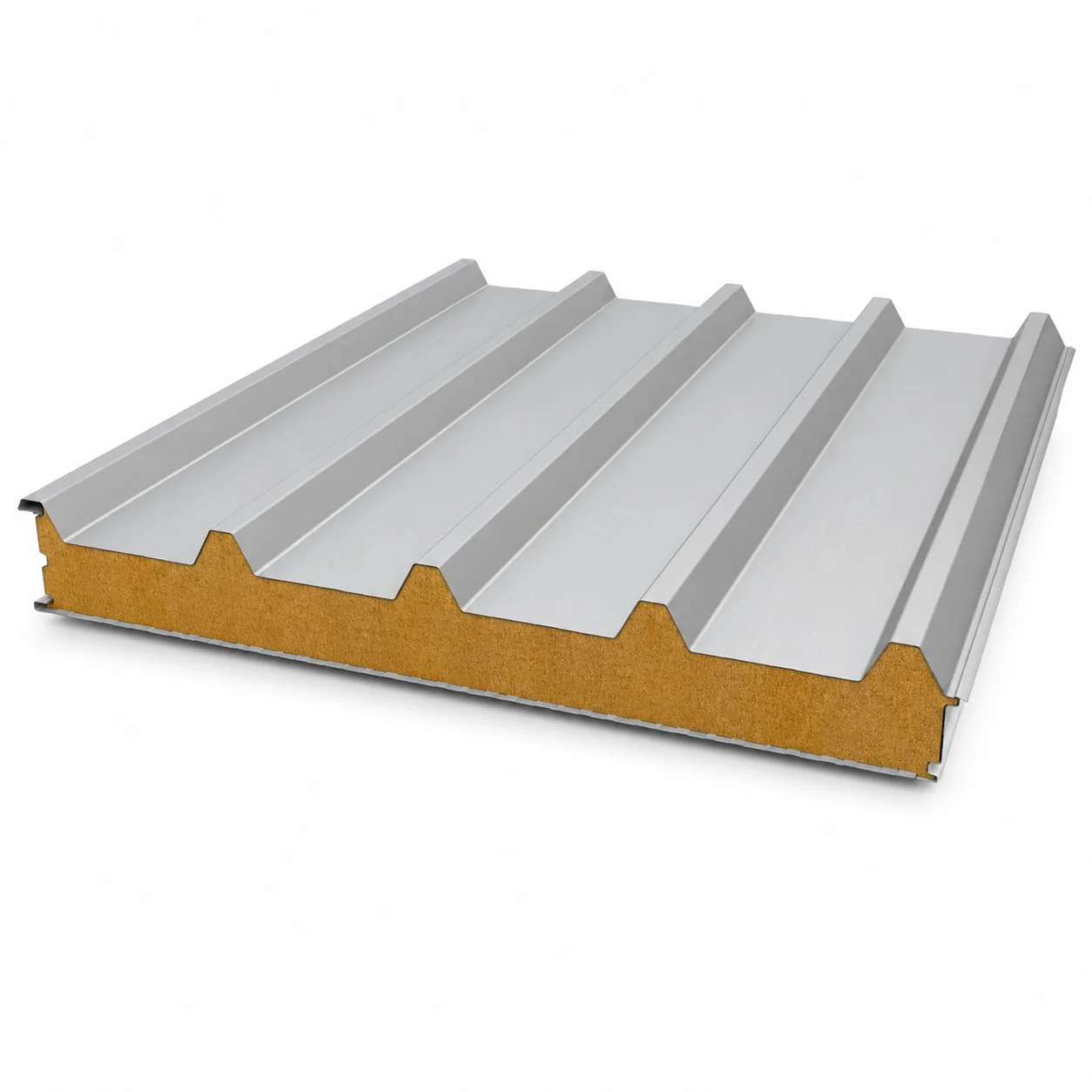
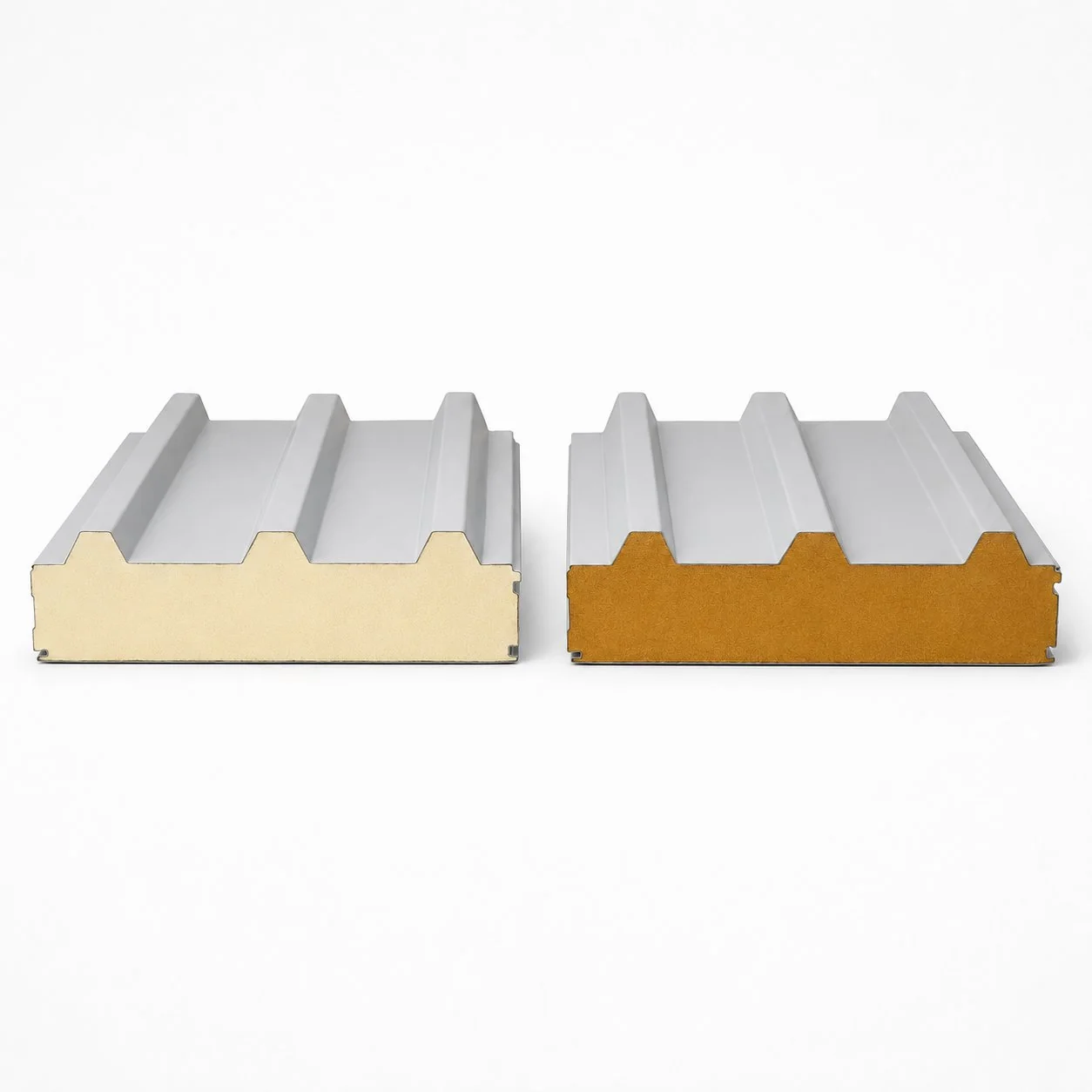
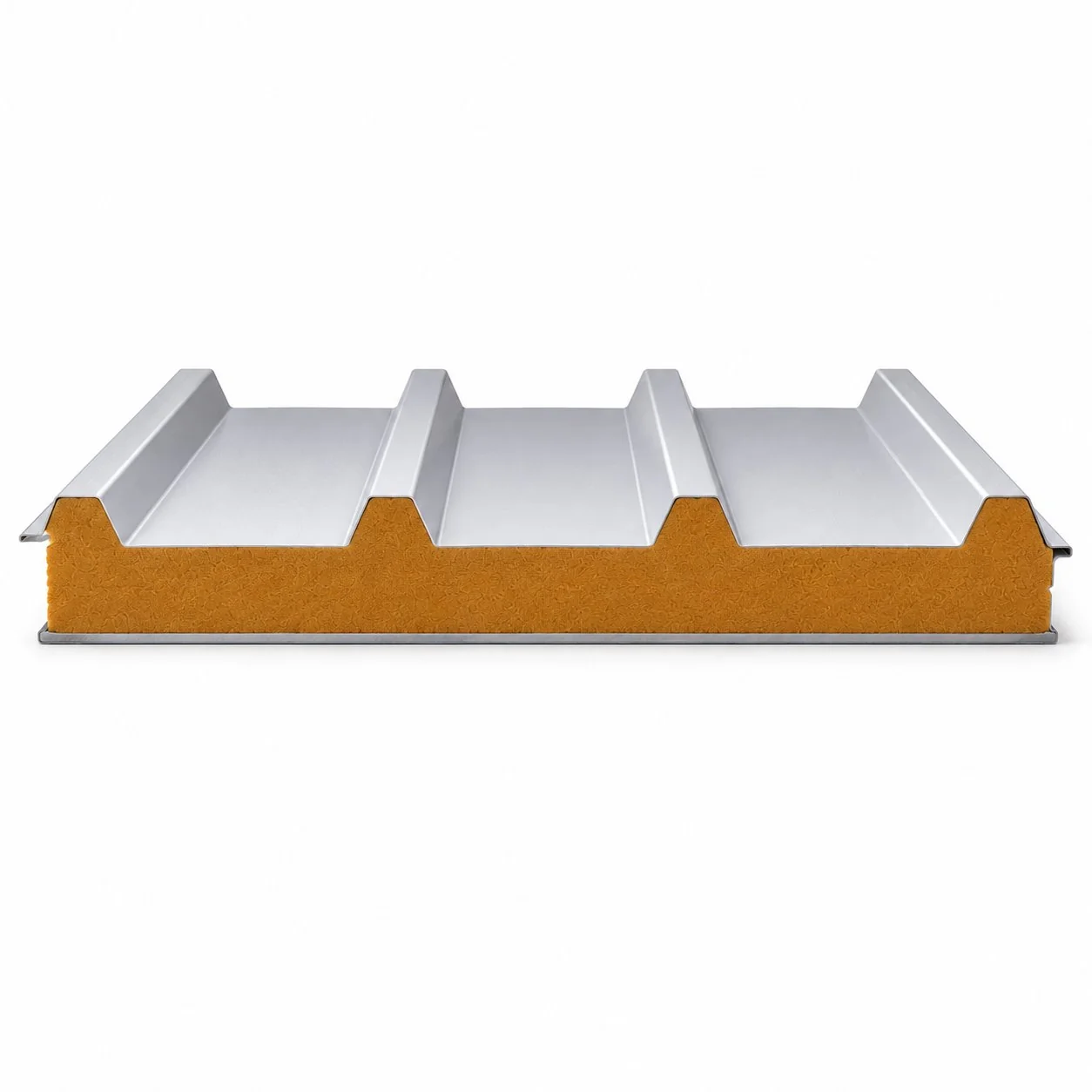
Fire-enhanced PIR roof panel with polyisocyanurate core and structural trapezoidal profile. When the roof above your people, assets, and operations must meet the highest fire safety standard in foam-core roofing.
- Fire Classification: B-s1, d0 (Euroclass) — very low smoke
- Thermal Conductivity: 0.023 W/mK
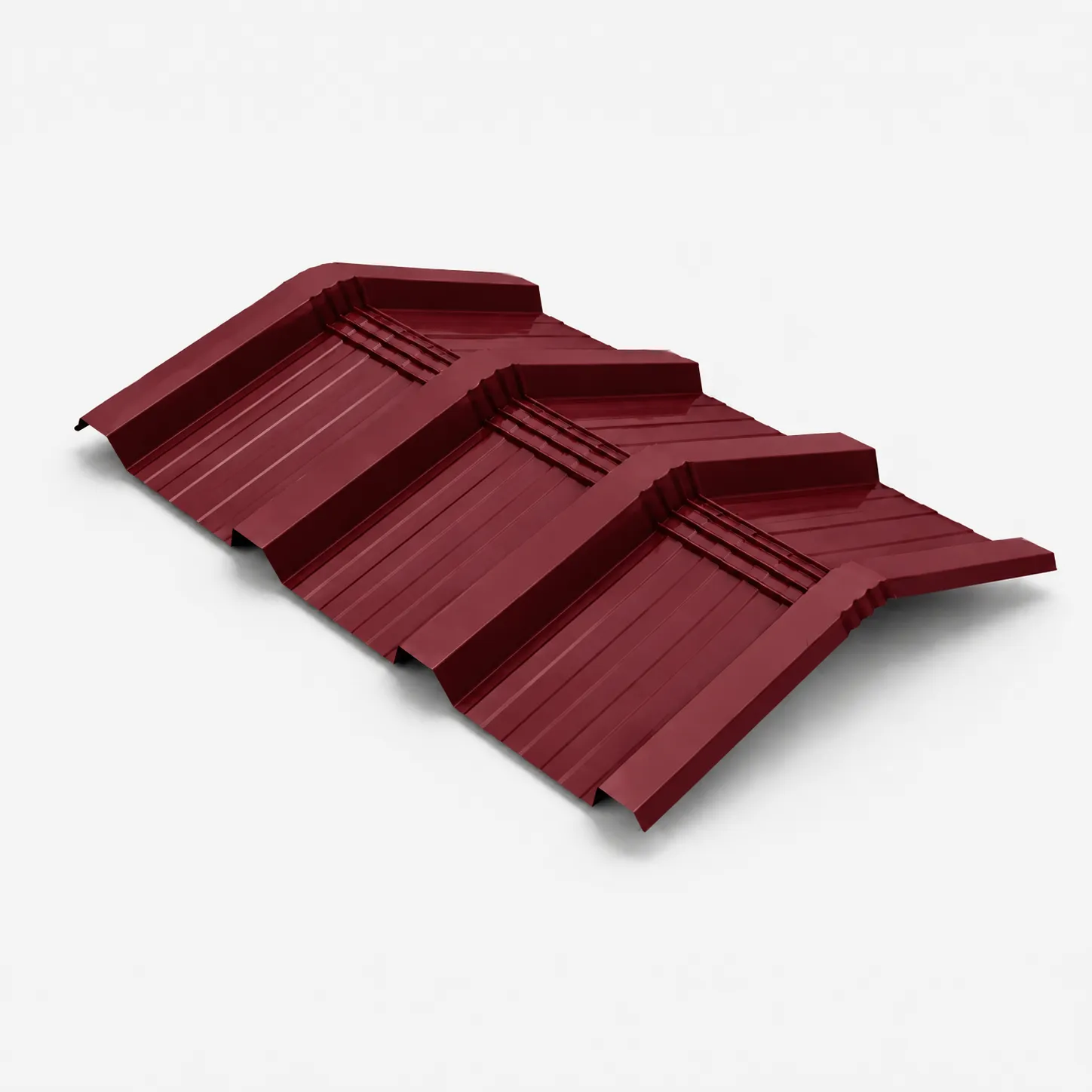
- Exterior Profile: Trapezoidal (3- or 5-rib) — structural + drainage
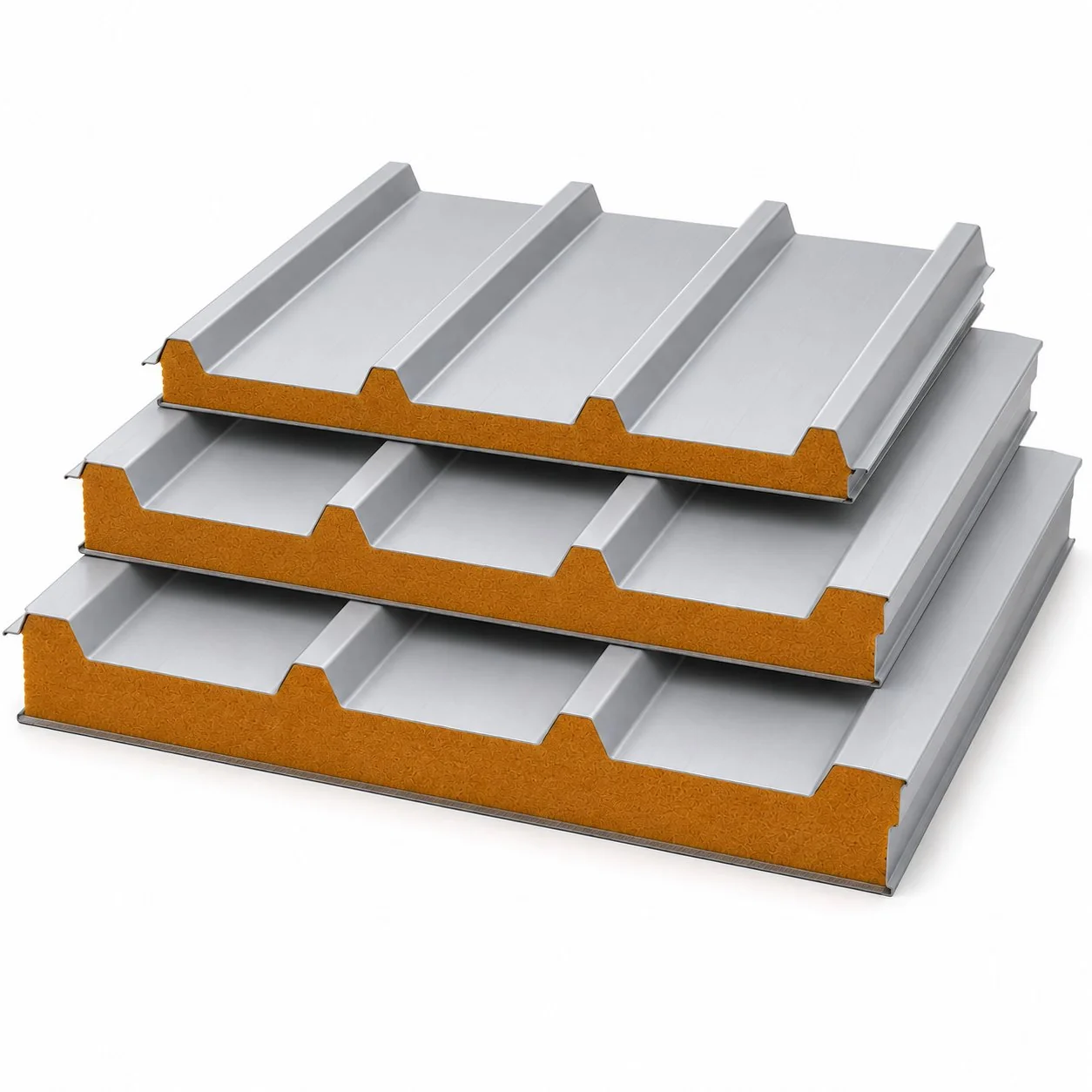
- Thickness Range: 30 – 200 mm
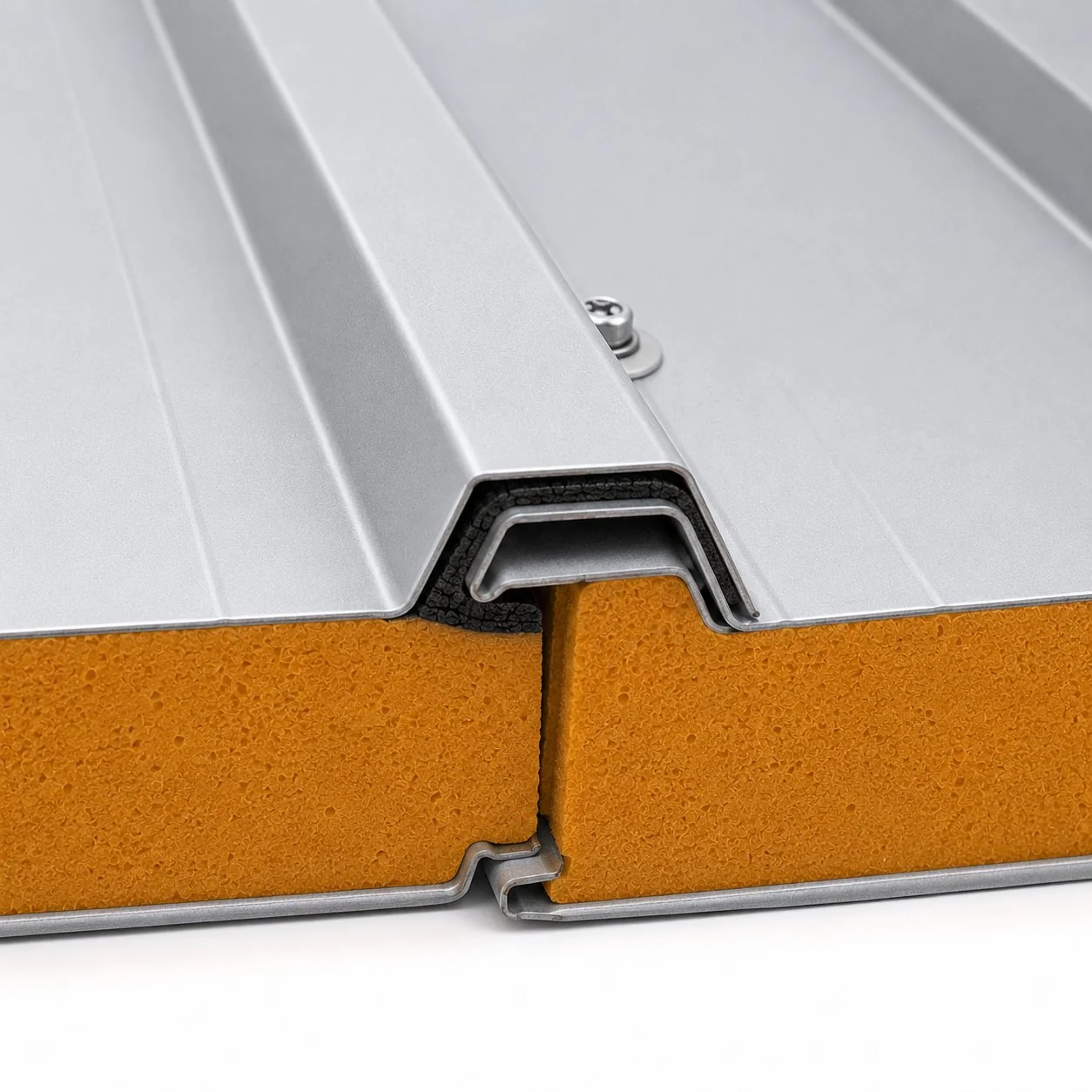
- Joint System: Side-lap overlap with butyl sealant
- Standards: EN 14509, CE Marked
Standard fire rating sufficient? PUR roof panel saves cost. Need non-combustible? Rockwool roof panel. Compare with Panel Selector.
Fire-Enhanced Roofing — Because the Roof Is Your First Line of Defense
The PIR roof panel combines the structural roofing capability of our trapezoidal sandwich panel system with the enhanced fire performance of polyisocyanurate (PIR) foam. The result is a roof panel that achieves Euroclass B-s1, d0 — the highest fire rating available in foam-core roofing — while delivering near-identical thermal insulation to standard PUR.
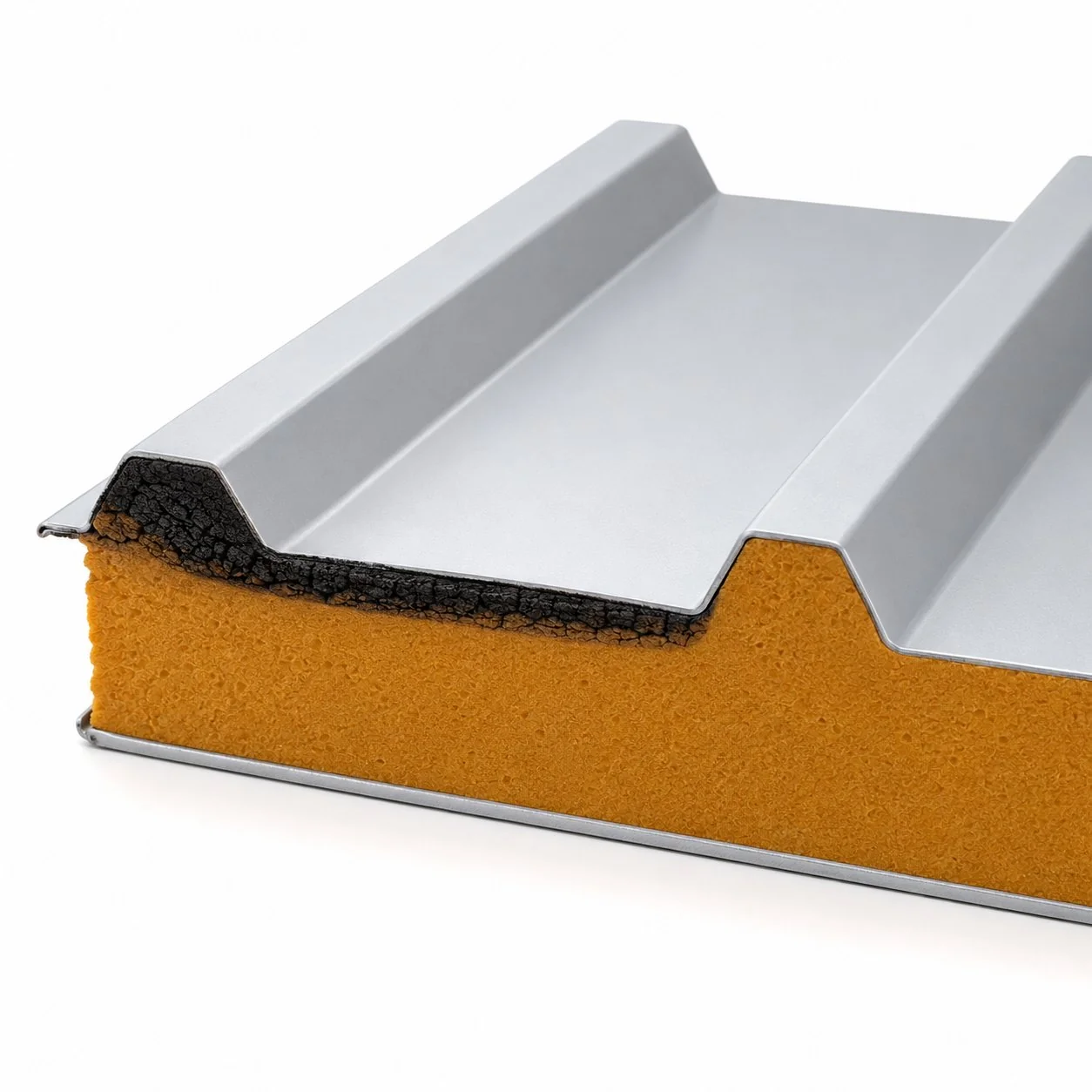
Roofs are particularly vulnerable in fire scenarios. A fire that reaches the roofing system can spread rapidly across the entire building footprint, and a compromised roof allows fire to vent vertically, accelerating the blaze. By specifying PIR over PUR for your roof, you are choosing a material that produces significantly less smoke and resists fire penetration more effectively through its self-charring behavior.
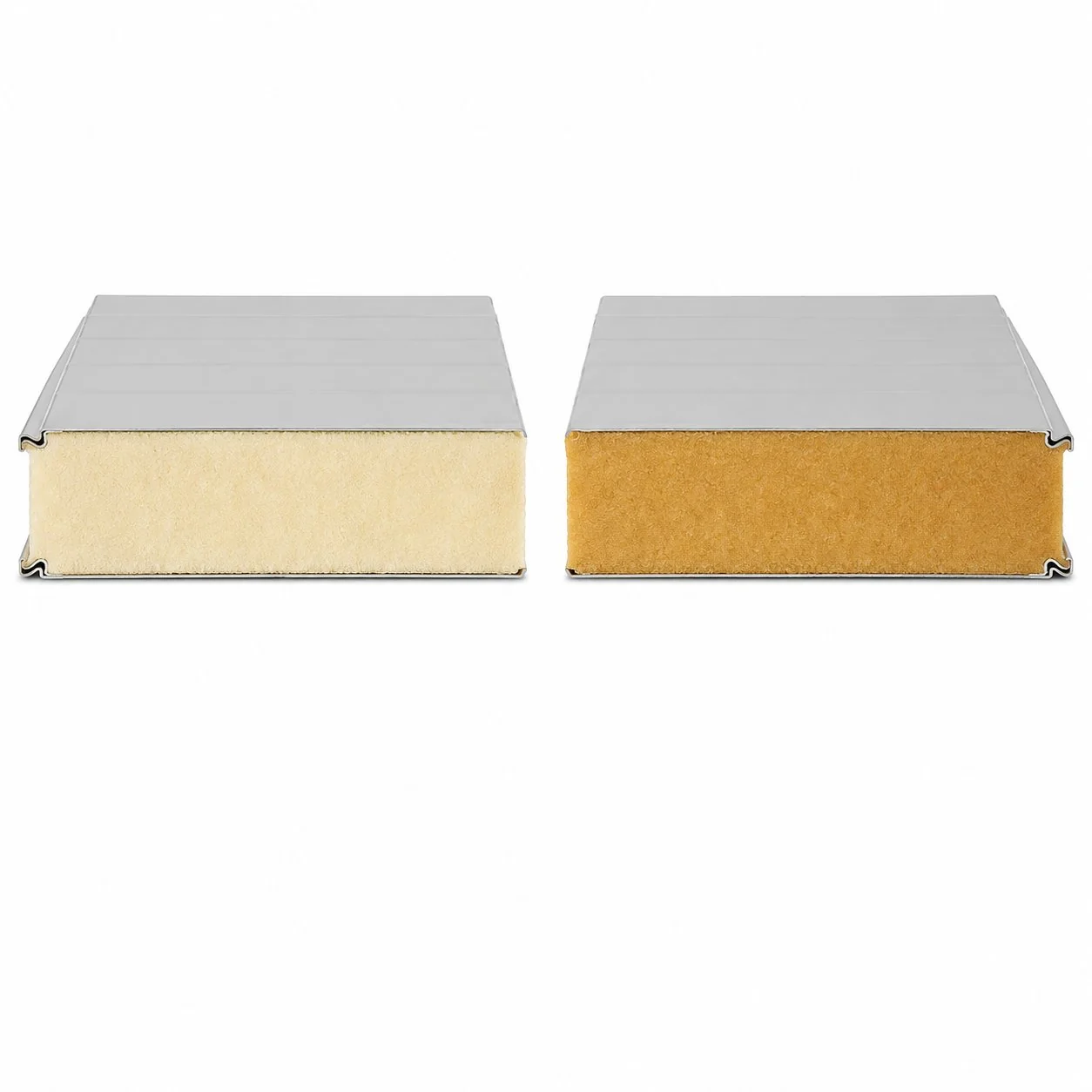
The difference between PUR’s B-s2 and PIR’s B-s1 is not just a classification number. The “s1” smoke rating means measurably less smoke production during fire exposure — giving occupants more time to evacuate, emergency responders better visibility, and building contents better protection from smoke damage.
Key Benefits
- Highest Foam-Core Fire Rating: Euroclass B-s1, d0 on the roof plane. PIR’s self-charring mechanism creates a protective carbon layer that limits fire spread across the roof surface.
- Very Low Smoke: s1 classification = minimal smoke production. Critical for occupant safety and emergency response effectiveness when fire impacts the roof.
- Excellent Thermal Performance: Lambda 0.023 W/mK — only marginally higher than PUR (0.022). In practical terms, the thermal difference is negligible while the fire safety upgrade is substantial.
- Trapezoidal Profile: Same 3- or 5-rib structural profile as PUR roof panels. Identical span capability, water drainage, and wind uplift resistance.
- Insurance Benefits: Many industrial and commercial insurers offer premium reductions for buildings with PIR roofing over PUR. The fire-enhanced rating can translate directly to lower annual insurance costs.
- Code Compliance: Increasingly required by building regulations across EU markets and Turkey for commercial, multi-story, and high-occupancy building roof systems.
Manufactured at our production facility in Turkey. Export available to Romania, Bulgaria, Georgia, Macedonia, and Kosovo.
Panel Specifications
| SPECIFICATION | VALUE |
| Core Material | Rigid polyisocyanurate foam (PIR), CFC/HCFC-free |
| Core Density | 40–45 kg/m³ |
| Thermal Conductivity (λ) | 0.023 W/mK (declared value per EN 14509) |
| Panel Thickness | 30 / 40 / 50 / 60 / 80 / 100 / 120 / 150 / 200 mm |
| Exterior Profile | 3- or 5-rib trapezoidal (structural) |
| Interior Profile | Micro-rib (flat liner) or trapezoidal |
| Effective Width | 1000 mm (standard) |
| Maximum Length | Up to 16,000 mm |
| External Facing | Pre-painted galvanized steel (PPGI), 0.5–0.7 mm |
| Internal Facing | Pre-painted galvanized steel (PPGI), 0.4–0.5 mm |
| Coating Options | Polyester (25 µm), PVDF (25 µm) |
| Joint System | Side-lap overlap with pre-applied butyl sealant |
| Fire Reaction | B-s1, d0 (Euroclass per EN 13501-1) |
| Smoke Classification | s1 — very low smoke production |
| Weight (approx.) | ~12–14 kg/m² (at 50 mm) |
| Min. Roof Pitch | 5° (recommended minimum) |
| Max. Purlin Span | Up to 5,000 mm (varies by thickness and load) |
| Snow Load Capacity | Up to 4.0 kN/m² |
| Service Temperature | -40°C to +80°C |
| Color Options | Full RAL color range |
| Standards | EN 14509, CE Marked, ISO 9001 |
U-Value by Panel Thickness
| SPECIFICATION | VALUE |
| 30 mm | U = 0.72 W/m²K |
| 40 mm | U = 0.55 W/m²K |
| 50 mm | U = 0.44 W/m²K |
| 60 mm | U = 0.37 W/m²K |
| 80 mm | U = 0.28 W/m²K |
| 100 mm | U = 0.23 W/m²K |
| 120 mm | U = 0.19 W/m²K |
| 150 mm | U = 0.15 W/m²K |
| 200 mm | U = 0.11 W/m²K |
Calculate: U-Value Calculator.
Why Fire Rating Matters More on Roofs
Roofs represent the largest single surface area of most industrial and commercial buildings. When fire reaches the roof, it can:
- Spread horizontally across the entire building footprint within minutes
- Vent vertically, creating chimney effects that accelerate fire growth
- Compromise structural steel below, leading to partial or total roof collapse
- Expose adjacent buildings to radiant heat and burning debris from above
- Generate large volumes of smoke that travel with wind across wide areas
For these reasons, building codes across Europe and Turkey are increasingly tightening fire requirements for roofing materials. Specifying PIR over PUR on the roof is often the most impactful single decision a designer can make for building fire safety.
PIR vs PUR: Roof Fire Behavior
| SPECIFICATION | VALUE |
| Fire Classification | PIR: B-s1, d0 | PUR: B-s2, d0 |
| Smoke Production | PIR: very low (s1) | PUR: low (s2) |
| Charring Behavior | PIR: dense self-charring layer forms, slowing fire penetration through the roof |
| Melt/Drip | Neither PIR nor PUR produces flaming droplets (d0) |
| Fire Spread on Roof | PIR: slower lateral spread due to char insulation layer |
| Cost Premium | PIR: typically 10–15% more than equivalent PUR roof panel |
| Insurance Impact | PIR: frequently qualifies for reduced roof fire premiums |
Hybrid Approach — PIR Roof + PUR Walls
A common and cost-effective strategy is to specify PIR panels for the roof and PUR panels for the walls. This targets the fire-enhanced rating where it matters most (the roof) while keeping costs lower on the facade. Both panel types share identical dimensions, fixing systems, and are available from the same production facility, simplifying procurement and logistics.
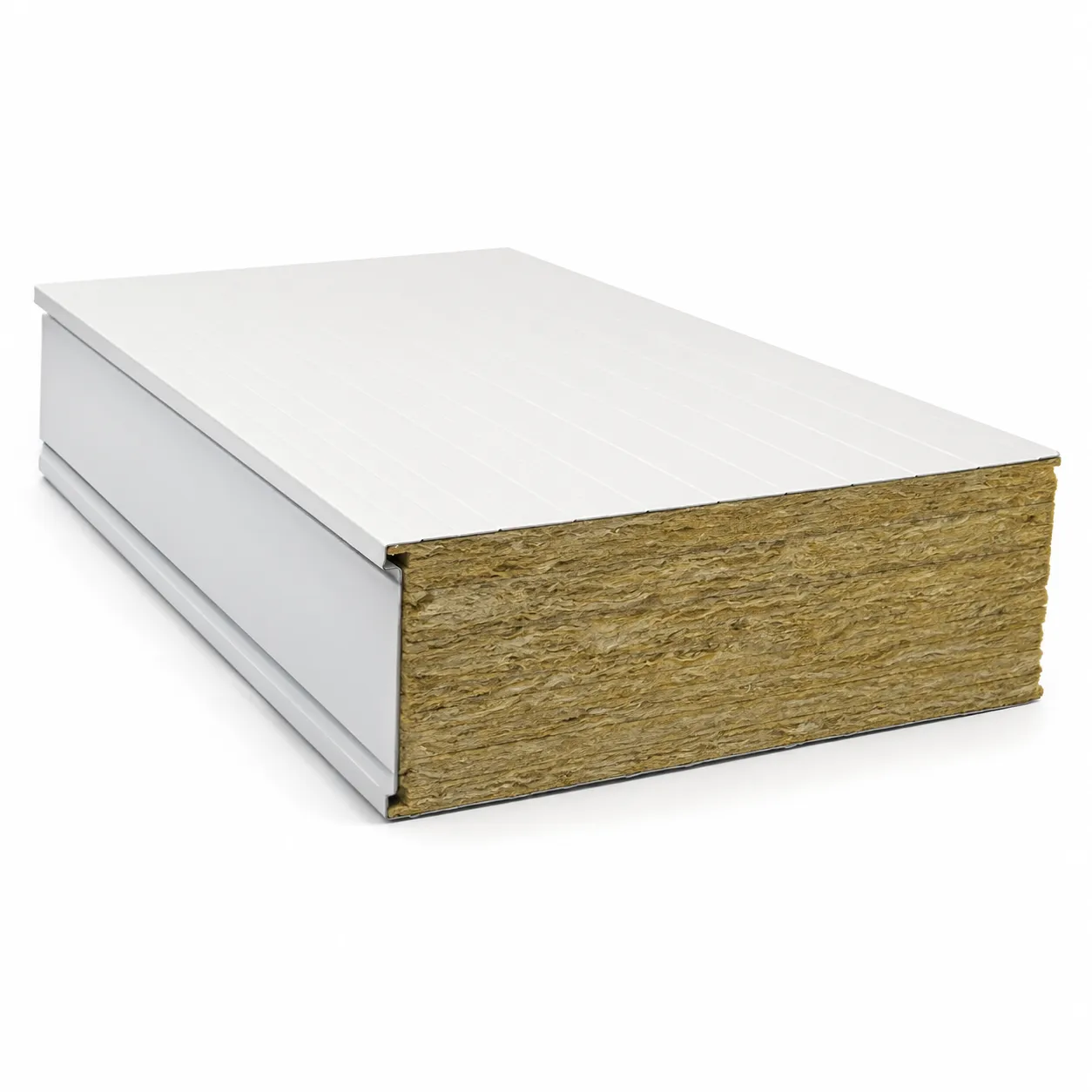
For non-combustible roofing (A1/A2), consider our rockwool roof panel. For fire resistance solutions across the entire building: Fire Resistance Solutions.
How does the PIR roof panel compare?
| Feature | PIR | PUR | EPS | Rockwool |
| Thermal (λ) | 0.023 | 0.022 | 0.035 | 0.040 |
| Fire Class | B-s1, d0 | B-s2, d0 | E | A1 / A2 |
| Smoke | Very Low | Low | Moderate | None |
| Weight | Low | Low | Very Low | Heavy |
| Max Span | Same as PUR | Longest | Shorter | Shortest |
| Cost | $$$ | $$ | $ | $$$$ |
| Best For | Fire-critical | All-round | Budget | Non-combustible |
Explore: PUR Roof · EPS Roof · Rockwool Roof
Not sure? Panel Selector.
Certifications
- EN 14509: Self-supporting double skin metal faced insulating panels.
- CE Marking: Full compliance for European markets.
- EN 13501-1: Fire reaction — Euroclass B-s1, d0.
- ISO 9001: Manufacturing quality management.
All certificates: Quality & Certificates
What is the difference between PIR and PUR roof panels?
Both use polyurethane-family foam cores with identical trapezoidal profiles, dimensions, and installation methods. The difference is chemical: PIR (polyisocyanurate) is modified to achieve B-s1, d0 fire classification versus PUR’s B-s2, d0. The key improvement is smoke production (s1 = very low vs s2 = low). Thermally, PIR is 0.023 W/mK vs PUR’s 0.022 — a negligible difference. PIR costs approximately 10–15% more.
Should I use PIR on the roof and PUR on the walls?
This is a very common and cost-effective approach. The roof faces the highest fire risk (largest surface area, fire spread potential, structural vulnerability), so upgrading the roof to PIR while keeping PUR on the walls targets the fire investment where it has the greatest impact. Both panel types are produced on the same lines and ship together, simplifying procurement.
Does PIR roofing reduce insurance premiums?
In many cases, yes. Industrial and commercial property insurers frequently differentiate premiums based on roof cladding fire classification. PIR’s B-s1 rating may qualify for reduced premiums compared to PUR’s B-s2. The exact saving depends on the insurer, building use, and other risk factors. We recommend discussing roofing specification with your insurance broker before finalizing.
What is the minimum roof pitch for PIR panels?
Same as PUR: minimum 5° recommended for effective water drainage. Joint details and sealant specifications are identical between PUR and PIR roof panels.
Can PIR roof panels span the same distances as PUR?
Yes. PIR and PUR roof panels share the same trapezoidal profile geometry, steel facing thicknesses, and mechanical properties. Load-span performance is identical at equivalent panel thicknesses.
Is PIR non-combustible like rockwool?
No. PIR achieves B-s1, d0 (limited combustibility with very low smoke), not A1/A2 (non-combustible). For truly non-combustible roofing, specify our rockwool roof panel. PIR offers the best fire performance achievable with a foam-core roof panel.
Do you export PIR roof panels?
Yes. All five markets: Romania, Bulgaria, Georgia, Macedonia, Kosovo. Request a quote or visit Export Markets.