

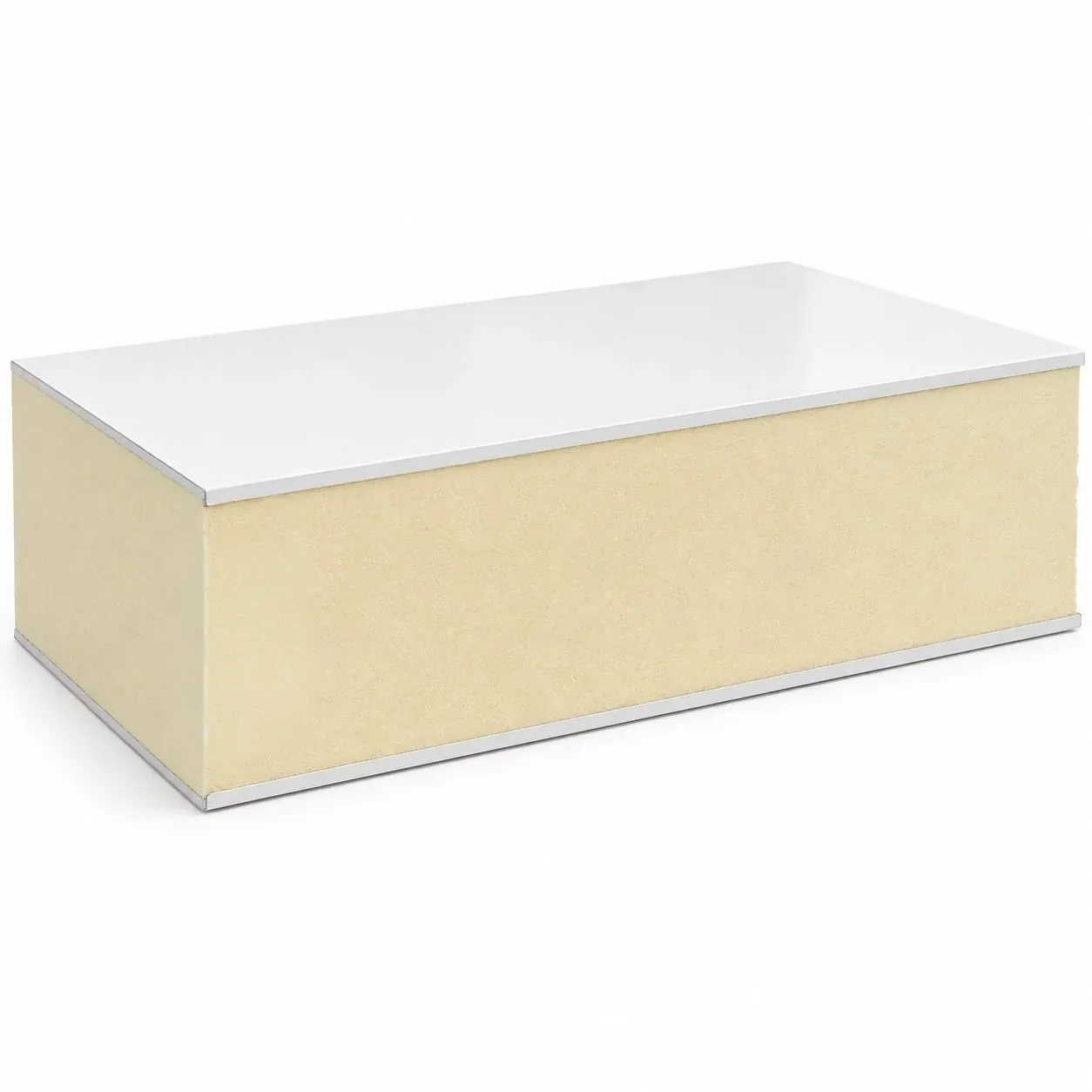
Polyurethane (PUR) Cold Room Panel
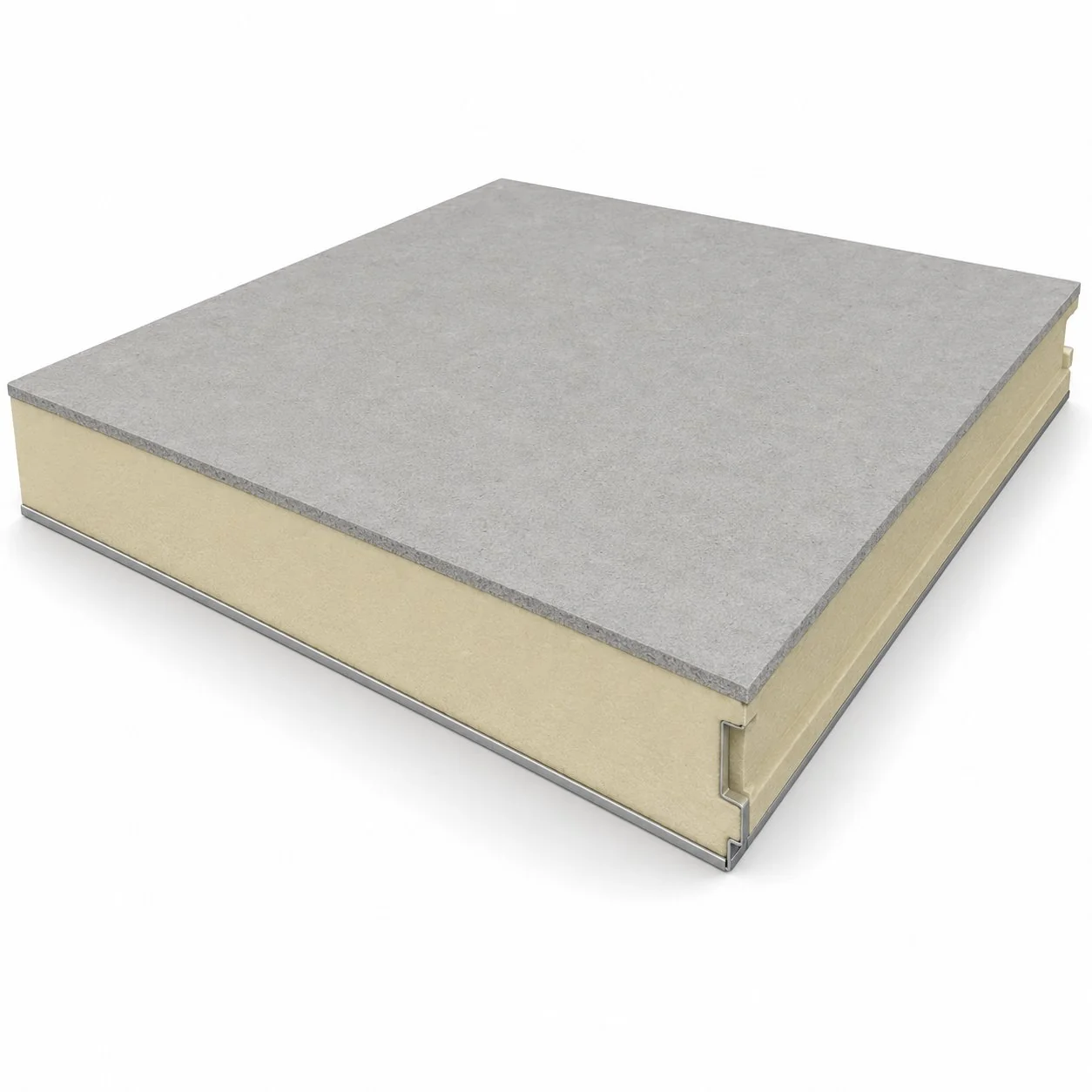
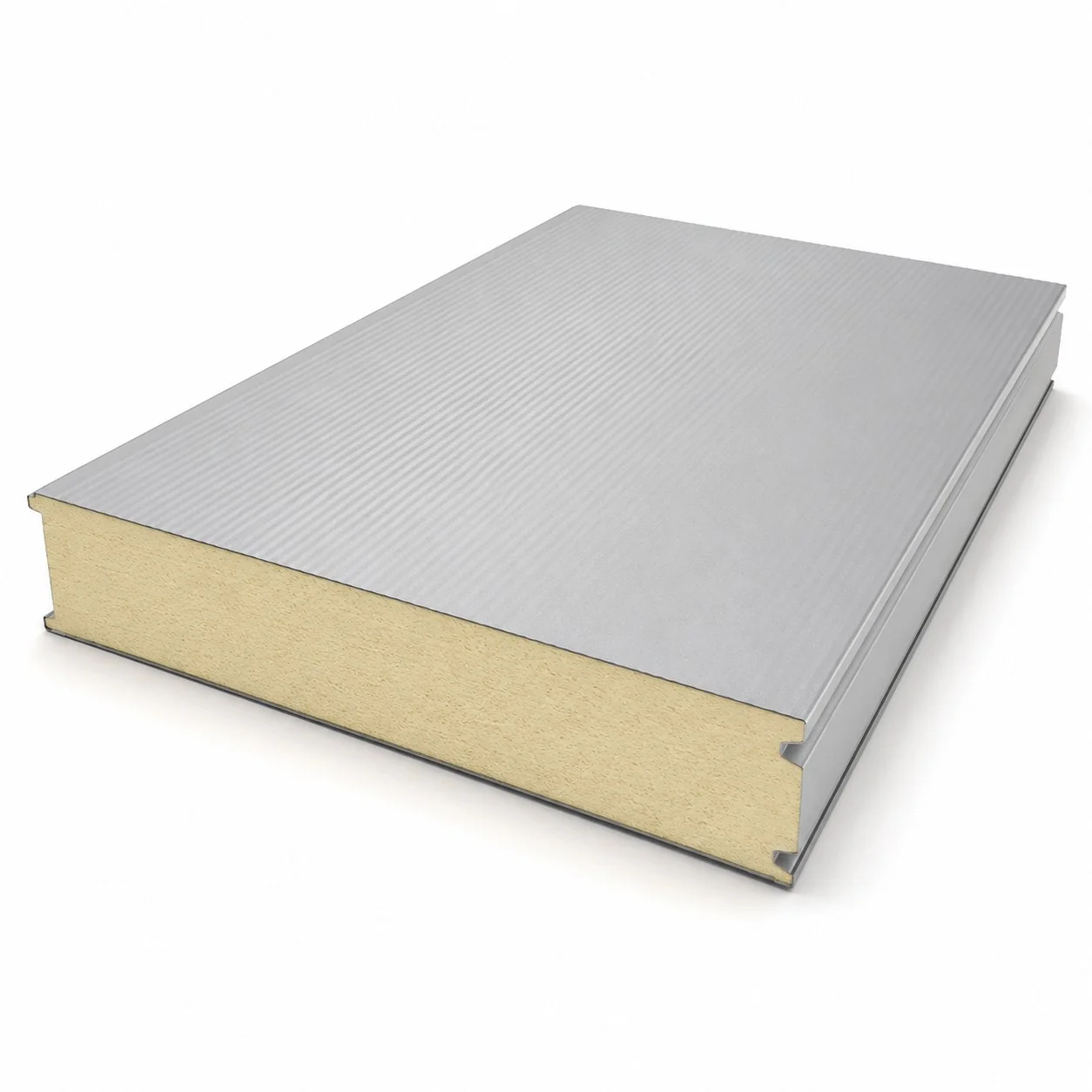
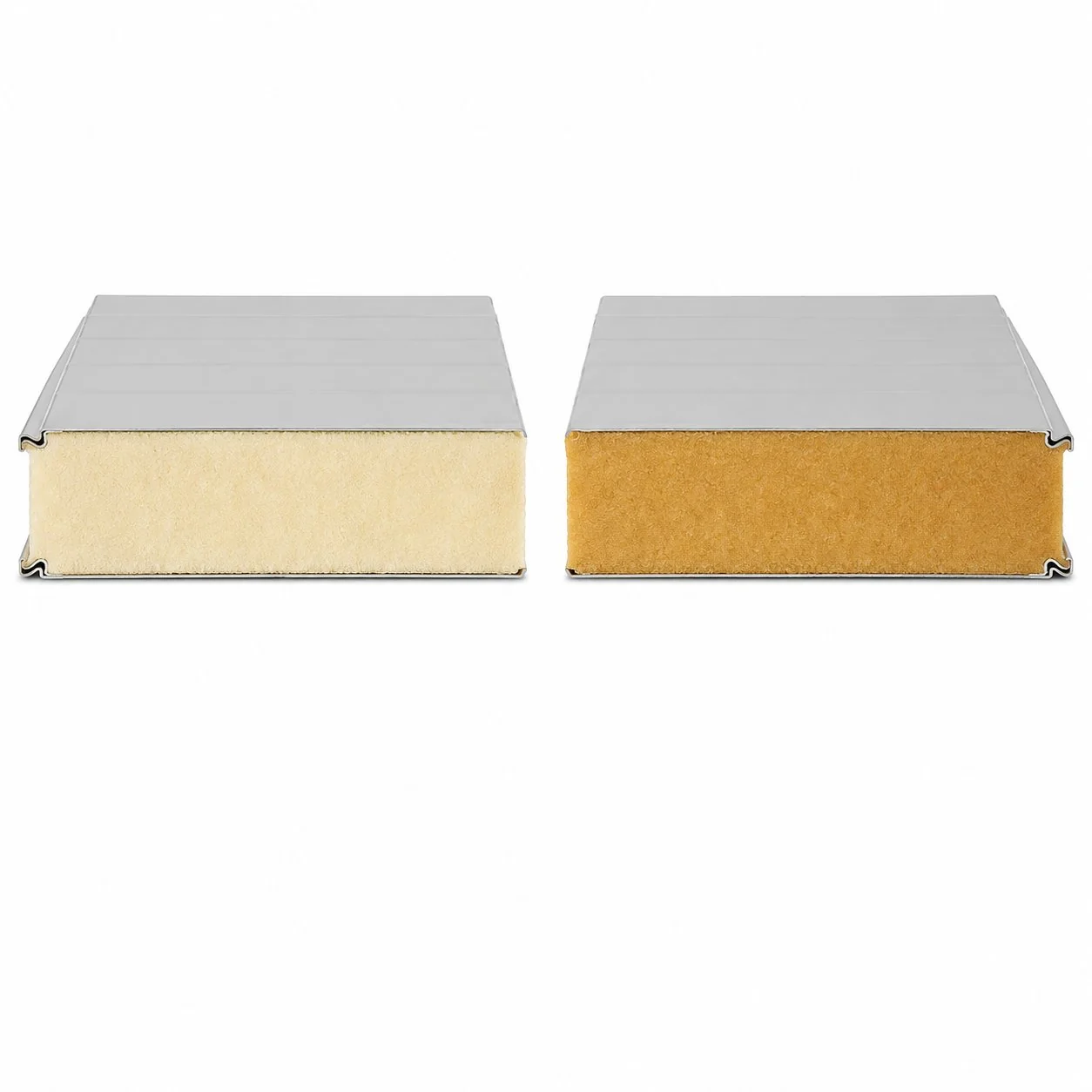
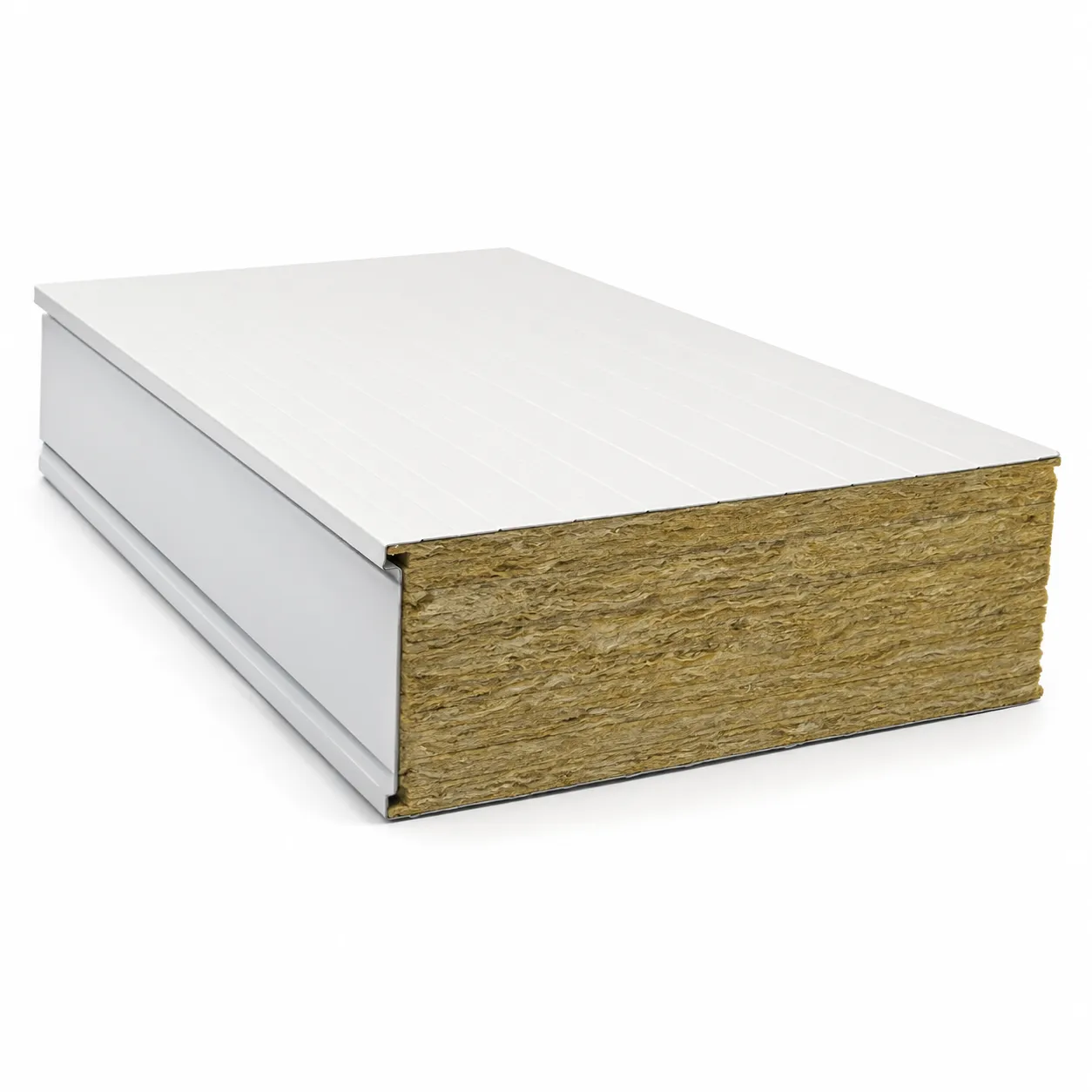
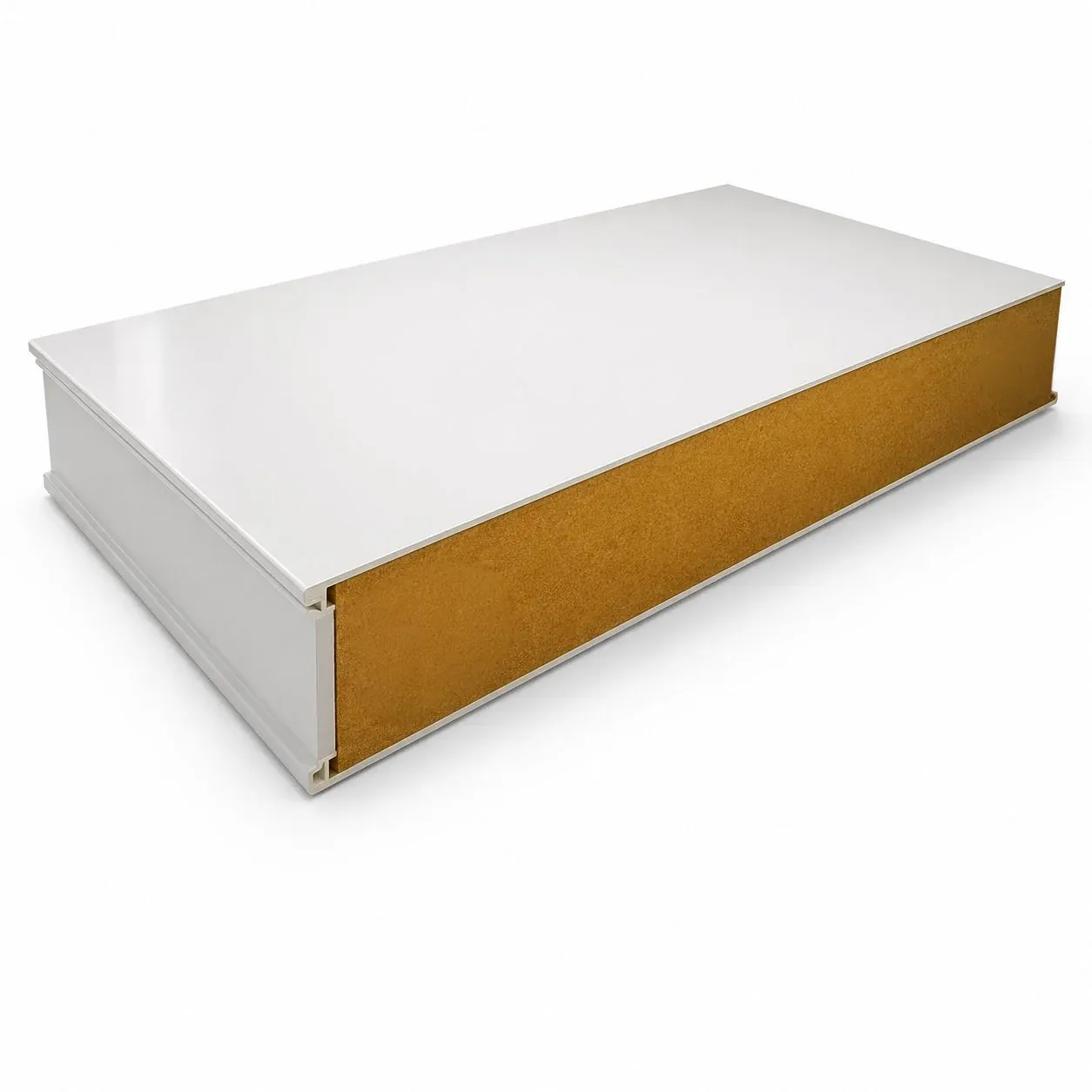
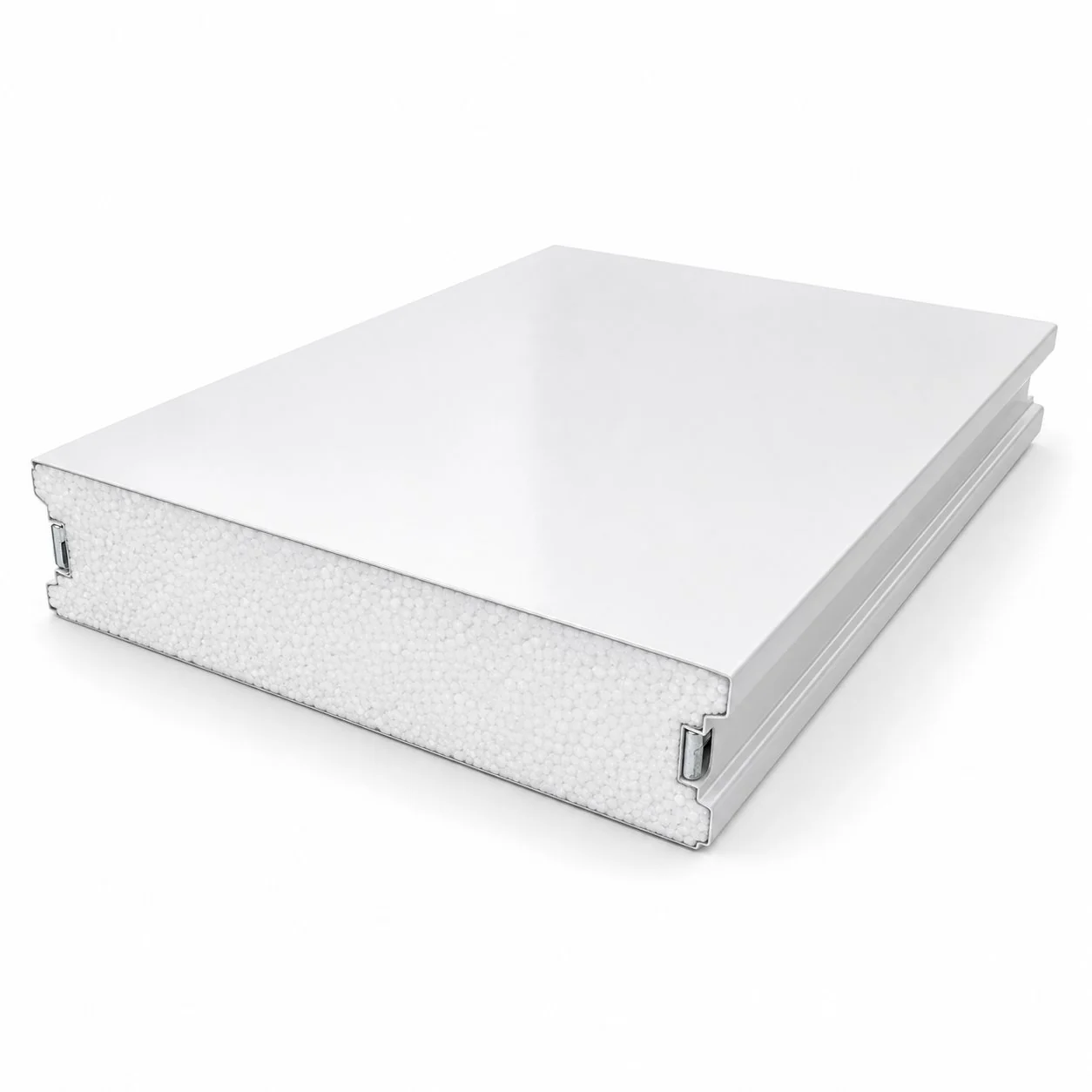
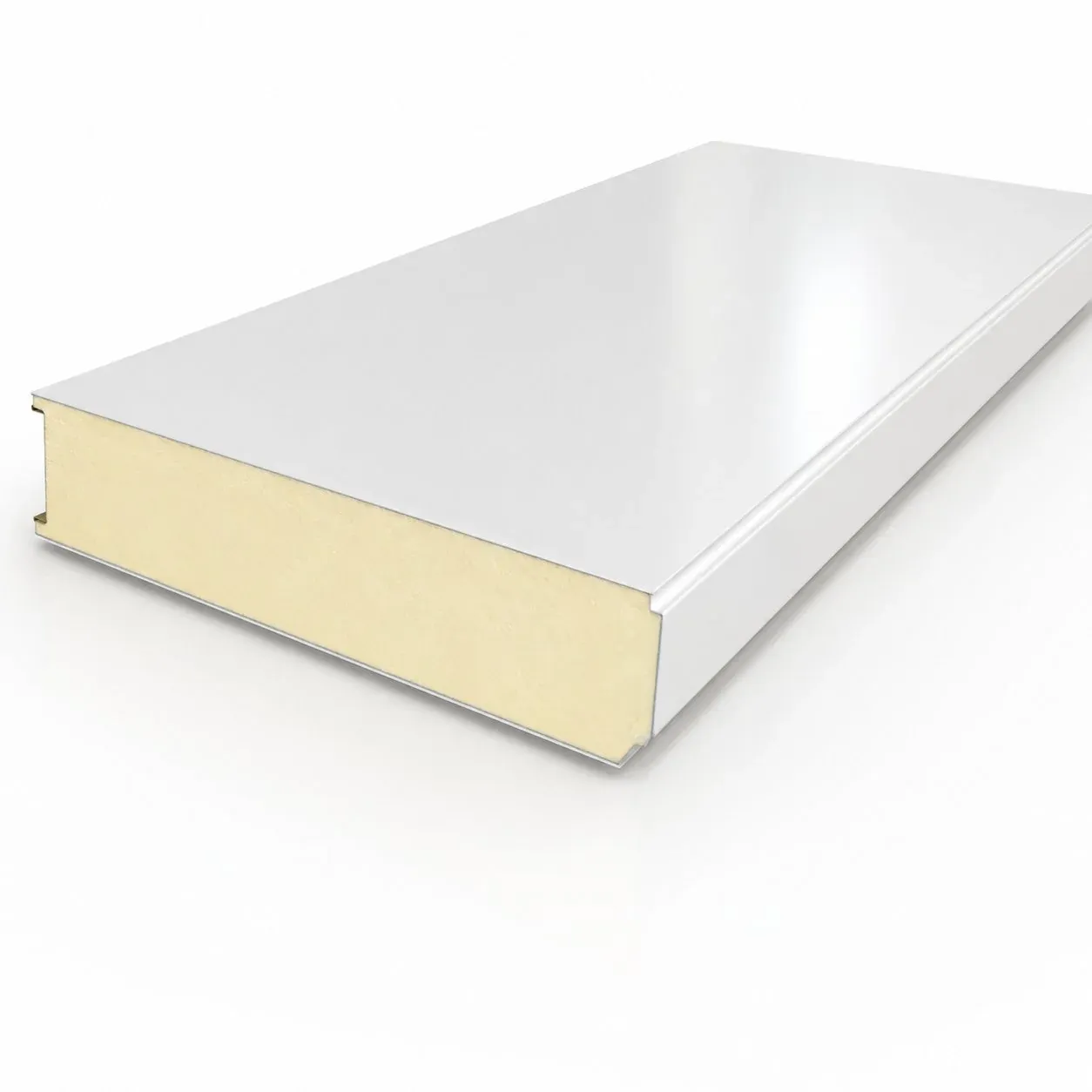
Precision-engineered polyurethane cold room panel with rigid PUR foam core, cam-lock assembly system, and food-grade hygienic surfaces. Built to maintain exact temperatures from +15°C chilled storage down to -40°C deep-freeze environments.
- Thermal Conductivity: 0.022 W/mK — minimum energy loss
- Joint System: Cam-lock (eccentric hook) — airtight, tool-free assembly
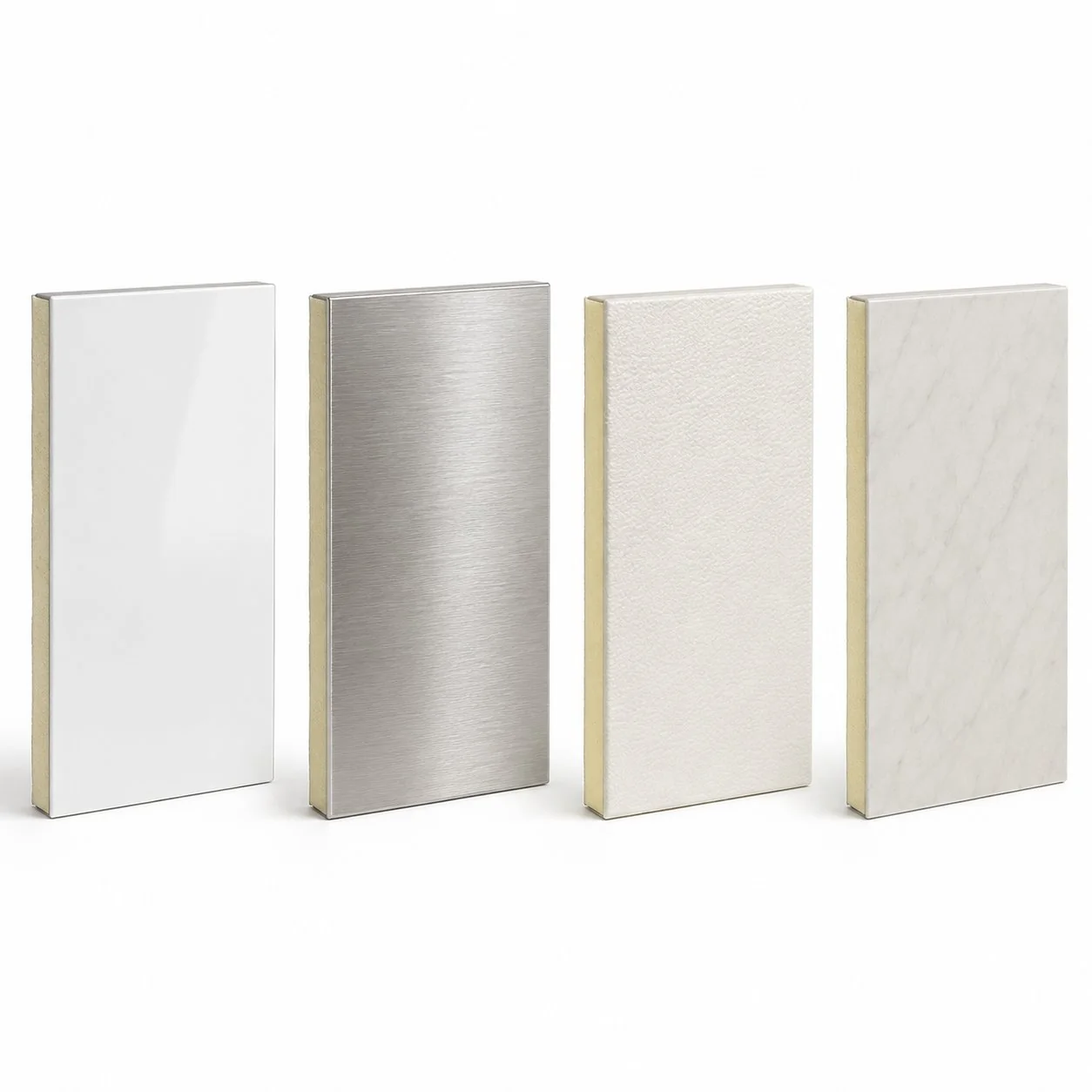
- Surface Finish: Food-grade white polyester or stainless steel
- Thickness Range: 60 / 80 / 100 / 120 / 150 / 200 mm
- Temperature Range: +15°C to -40°C operating environments
- Standards: EN 14509, CE Marked, HACCP compatible
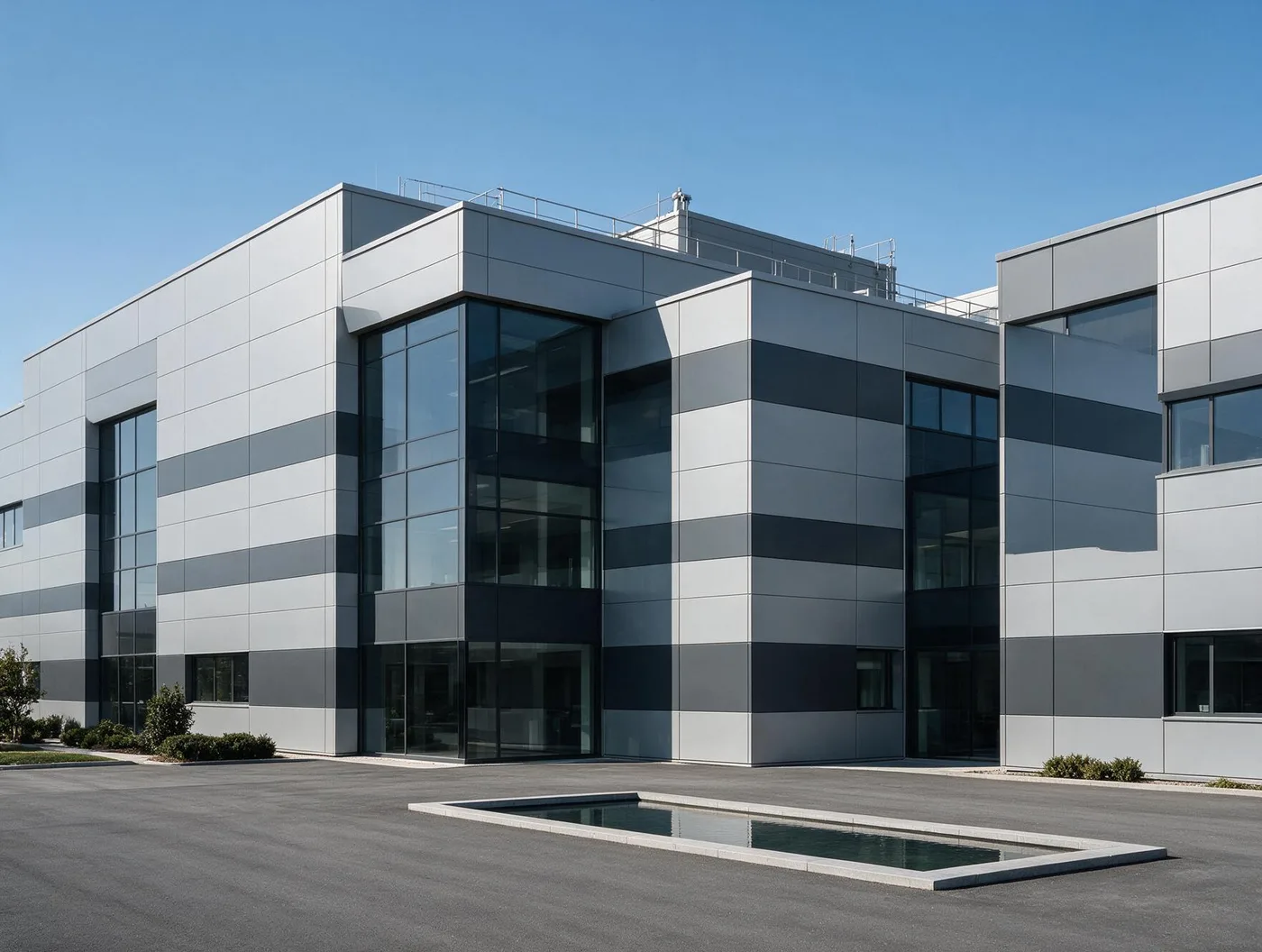
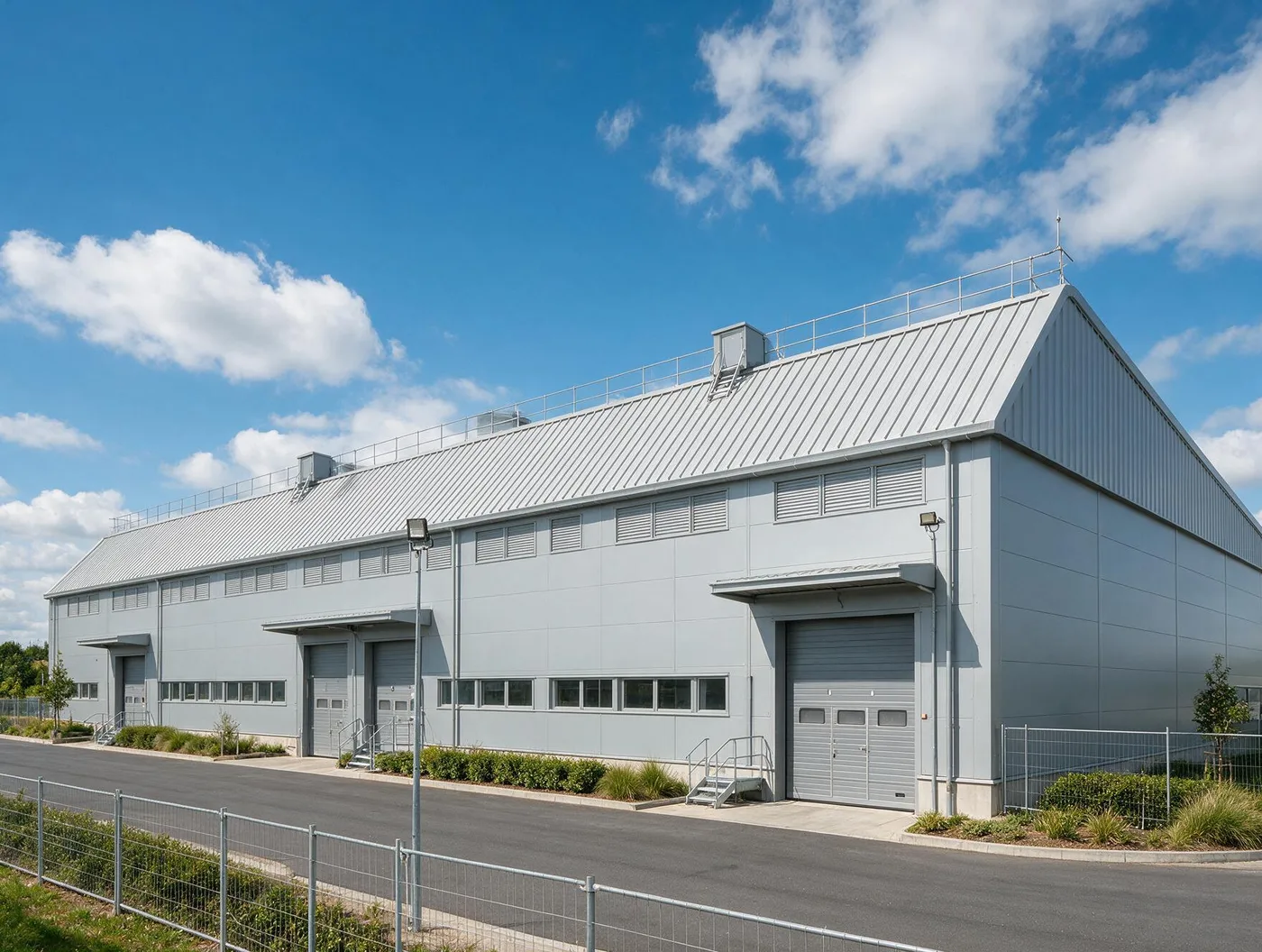
Use as walls, ceilings, and partition panels. For cold storage building envelopes, also see our PUR facade panels and PUR roof panels.
Precision Temperature Control Starts with the Panel
The polyurethane cold room panel is purpose-built for temperature-controlled environments where even a small thermal leak can mean spoiled product, wasted energy, and regulatory non-compliance. Unlike standard facade or roof panels, cold room panels are engineered for airtightness, vapor impermeability, and hygienic cleanability — the three pillars of reliable cold storage construction.
Every cold room is only as good as its weakest thermal point. That is why our PUR cold room panels use cam-lock (eccentric hook) joints that pull adjacent panels together with mechanical force, compressing integral gaskets to create a completely airtight, vapor-tight seal. No sealant tape, no caulking, no ongoing maintenance — the joint is engineered to stay sealed for the life of the installation.
The polyurethane foam core delivers the best thermal conductivity in our cold room range (0.022 W/mK), meaning thinner panels maintain target temperatures with less energy consumption. For a -25°C freezer room, a 150 mm PUR panel achieves the same thermal resistance as a 200+ mm EPS panel — saving interior floor space and reducing cooling system load.
Key Benefits
- Best Cold Room Insulation: Lambda 0.022 W/mK maintains target temperatures with minimum energy consumption. Lower energy bills throughout the cold room’s 15–20+ year service life.
- Cam-Lock Assembly: Eccentric hook mechanism pulls panels tight with a simple quarter-turn. No specialized tools. Assembly is fast, repeatable, and creates a consistent airtight seal at every joint.
- Airtight & Vapor-Tight: Integrated EPDM gaskets compress at every cam-lock point, eliminating air infiltration and moisture vapor migration — the two biggest enemies of cold room efficiency.
- Hygienic Surfaces: Smooth, flat, food-grade white polyester-coated steel. Easy to clean, resistant to mold and bacteria growth. Meets hygiene requirements for food processing, pharmaceutical, and medical storage environments.
- Modular Construction: Panels are manufactured to project dimensions and assemble on-site like building blocks. Walls, ceilings, and partitions all use the same panel system, simplifying procurement.
- Temperature Versatile: Single panel system covers the full range from +15°C chilled rooms to -40°C deep-freeze chambers. Just specify the appropriate thickness for your target temperature.
Manufactured at our production facility in Turkey. Export available to all five markets.
Ideal Applications
- Cold Storage Facilities — commercial cold rooms, distribution center chillers, agricultural cold stores
- Food & Pharma — meat processing, dairy, bakery, fruit/vegetable storage, pharmaceutical warehouses
- Deep-freeze rooms — -25°C to -40°C blast freezers, ice cream storage, frozen food distribution
- Controlled atmosphere (CA) storage — fruit and vegetable ripening rooms with precise temperature and humidity control
- Hygienic Environments — clean rooms, medical storage, laboratory environments
- Supermarket and retail back-of-house — walk-in chillers and freezers
- Wine and beverage storage — temperature-stable cellars and aging rooms
How does the PUR cold room panel compare to alternatives?
| Feature | PUR | PIR | EPS |
| Thermal (λ) | 0.022 | 0.023 | 0.035 |
| Fire Class | B-s2, d0 | B-s1, d0 | E |
| Thickness for -25°C | 150 mm | 155 mm | 220+ mm |
| Weight | Light | Light | Very Light |
| Cost | $$ | $$$ | $ |
| Cam-Lock | Yes | Yes | Yes |
| Best For | All-round cold | Fire-critical cold | Budget cold |
PUR cold room panels offer the best balance of thermal performance, cost, and weight for the majority of cold storage applications. PIR is preferred when insurance or regulations require enhanced fire rating. EPS is the budget option but requires significantly thicker panels.
Alternatives: PIR Cold Room · EPS Cold Room
Not sure? Panel Selector.
Panel Specifications
| SPECIFICATION | VALUE |
| Core Material | Rigid polyurethane foam (PUR), CFC/HCFC-free, closed-cell |
| Core Density | 40–42 kg/m³ |
| Thermal Conductivity (λ) | 0.022 W/mK (declared per EN 14509) |
| Panel Thickness | 60 / 80 / 100 / 120 / 150 / 200 mm |
| Panel Profile | Flat / smooth (both faces) — no trapezoidal or micro-rib |
| Effective Width | 1150 mm (standard) / custom widths available |
| Maximum Length | Up to 12,000 mm |
| Exterior Facing | Pre-painted galvanized steel, 0.5–0.6 mm, white polyester (food-grade) |
| Interior Facing | Pre-painted galvanized steel, 0.5–0.6 mm, white polyester (food-grade) |
| Optional Facings | Stainless steel (AISI 304/316), plastisol, PVC laminate |
| Joint System | Cam-lock (eccentric hook) with EPDM gasket |
| Cam-Lock Spacing | Every 500–600 mm along panel edge |
| Fire Reaction | B-s2, d0 (Euroclass per EN 13501-1) |
| Weight (approx.) | ~12–14 kg/m² (at 100 mm) |
| Operating Temperature | +15°C to -40°C |
| Vapor Permeability | Negligible — closed-cell PUR + steel facings act as vapor barrier |
| Hygiene | Food-grade surface, HACCP compatible, easy to clean and sanitize |
| Floor Panel Option | Available with reinforced steel or aluminum for walk-on/forklift applications |
| Standards | EN 14509, CE Marked, ISO 9001, HACCP compatible |
Recommended Thickness by Temperature
Select panel thickness based on target cold room operating temperature:
| SPECIFICATION | VALUE |
| +15°C to +5°C (chilled) | 60–80 mm — dairy storage, fruit/veg, beverages |
| +5°C to 0°C (fresh) | 80–100 mm — meat processing, food prep areas |
| 0°C to -18°C (frozen) | 100–150 mm — standard freezer, frozen food storage |
| -18°C to -25°C (deep freeze) | 150–180 mm — deep-freeze distribution, ice cream |
| -25°C to -40°C (blast freeze) | 180–200 mm — blast freezers, ultra-low temperature |
For precise calculations: U-Value Calculator.
U-Value by Panel Thickness
| SPECIFICATION | VALUE |
| 60 mm | U = 0.36 W/m²K |
| 80 mm | U = 0.27 W/m²K |
| 100 mm | U = 0.22 W/m²K |
| 120 mm | U = 0.18 W/m²K |
| 150 mm | U = 0.15 W/m²K |
| 200 mm | U = 0.11 W/m²K |
How the Cam-Lock Joint Works
The cam-lock (eccentric hook) system is the industry-standard connection method for cold room panels. It provides a fundamentally different level of joint quality compared to the tongue-and-groove or overlap joints used on facade and roof panels:
- Step 1 — Align: Panels are positioned edge-to-edge. Male and female cam-lock housings are pre-installed in the panel edges during manufacturing.
- Step 2 — Insert: The hook of one panel’s cam-lock engages with the receiver plate in the adjacent panel edge.
- Step 3 — Turn: A quarter-turn of the cam-lock hex key (or simple lever) rotates the eccentric cam, pulling the two panels together with controlled mechanical force.
- Step 4 — Seal: As the panels are drawn together, the EPDM gasket in the joint compresses evenly, creating an airtight and vapor-tight seal along the entire panel edge.
No sealant, no adhesive, no tape. The seal is entirely mechanical and can be disassembled for relocation or reconfiguration of the cold room without damaging the panels.
Why Airtightness Matters in Cold Rooms
- Energy Efficiency: Every air leak introduces warm, humid air into the cold room. This forces the refrigeration system to work harder, consuming more electricity and shortening compressor life.
- Ice Formation: Warm air infiltration causes moisture to condense and freeze on cold room surfaces. Ice buildup on walls, ceilings, and evaporators reduces efficiency and creates safety hazards.
- Product Quality: Temperature fluctuations from air leaks can compromise food safety, pharmaceutical efficacy, and product shelf life.
- Regulatory Compliance: Food safety regulations (HACCP, ISO 22000) require controlled environments with documented temperature stability. Leaky cold rooms fail compliance audits.
Hygienic Surface Options
| SPECIFICATION | VALUE |
| White Polyester (Standard) | Food-grade, smooth, easy to clean. Suitable for most chilled and frozen storage applications. |
| Stainless Steel (AISI 304) | Premium hygienic surface for meat processing, pharmaceutical, and clean room applications. Resistant to aggressive cleaning chemicals. |
| Stainless Steel (AISI 316) | Marine-grade stainless for high-salt environments, fish processing, and chemical exposure areas. |
| Plastisol (200 µm) | Textured, impact-resistant coating for high-traffic areas and environments with mechanical handling equipment. |
| PVC Laminate | Smooth decorative finish for retail-facing cold rooms (supermarket walk-ins, display areas). |
All surfaces are resistant to mold, bacteria, and common food-industry cleaning agents. For hygienic environment solutions: Hygienic Environments.
Certifications
- EN 14509: Self-supporting insulating panels.
- CE Marking: Full compliance for European markets.
- EN 13501-1: Fire reaction — Euroclass B-s2, d0.
- HACCP Compatible: Hygienic surfaces suitable for food handling environments.
- ISO 9001: Manufacturing quality management.
All certificates: Quality & Certificates.
What is a cam-lock joint and why does it matter?
A cam-lock (eccentric hook) is a mechanical fastening system built into the panel edges. When engaged with a quarter-turn, it pulls adjacent panels together under controlled force, compressing an EPDM gasket to create an airtight, vapor-tight seal. It matters because cold rooms cannot tolerate air leaks — even small gaps cause ice formation, energy waste, and temperature instability that risks product safety.
What panel thickness do I need for a -25°C freezer room?
For a -25°C deep-freeze environment with ambient temperature of +30°C, we recommend 150 mm PUR cold room panels. This provides a U-value of approximately 0.15 W/m²K, suitable for maintaining stable freezer temperatures with standard refrigeration equipment. For blast freezers operating at -40°C, specify 200 mm panels.
Are the panels food-safe?
Yes. Standard PUR cold room panels feature food-grade white polyester-coated steel surfaces that are smooth, non-porous, and resistant to mold and bacteria. They are compatible with HACCP food safety systems. For meat processing and pharmaceutical applications, stainless steel (AISI 304/316) facings are available for enhanced chemical resistance and cleanability.
Can cold room panels be used for walls and ceilings?
Yes. The same PUR cold room panel system is used for walls, ceilings, and partition walls. Cam-lock joints work in both vertical (wall) and horizontal (ceiling) orientations. For floors, reinforced panel versions with load-bearing capacity for foot traffic and forklift loads are available.
How fast can a cold room be assembled?
Cam-lock cold room panels assemble rapidly because no adhesive, sealant, or curing time is required. A skilled two-person crew can typically assemble 50–100 m² of cold room wall/ceiling per day, depending on room geometry and the number of penetrations (doors, pipes, electrical).
Can cold room panels be relocated?
Yes. The cam-lock system is fully disassemble and reassemble. Panels can be taken apart, transported, and rebuilt at a new location without damage to the panels or joints. This is a significant advantage for businesses that may need to expand, reconfigure, or relocate their cold storage facilities.
Do you export cold room panels?
Yes. Romania, Bulgaria, Georgia, Macedonia, Kosovo. Request a quote or visit Export Markets