

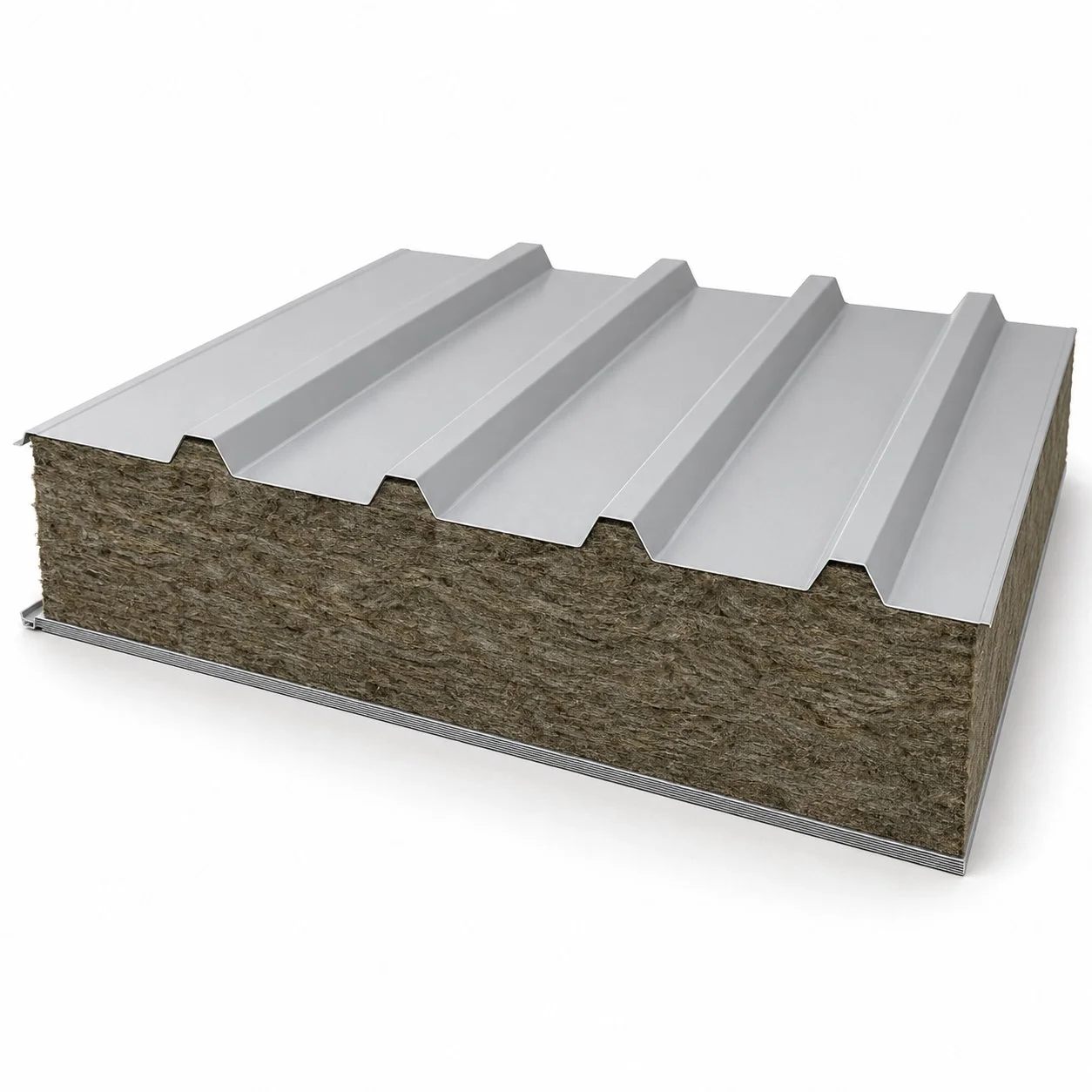
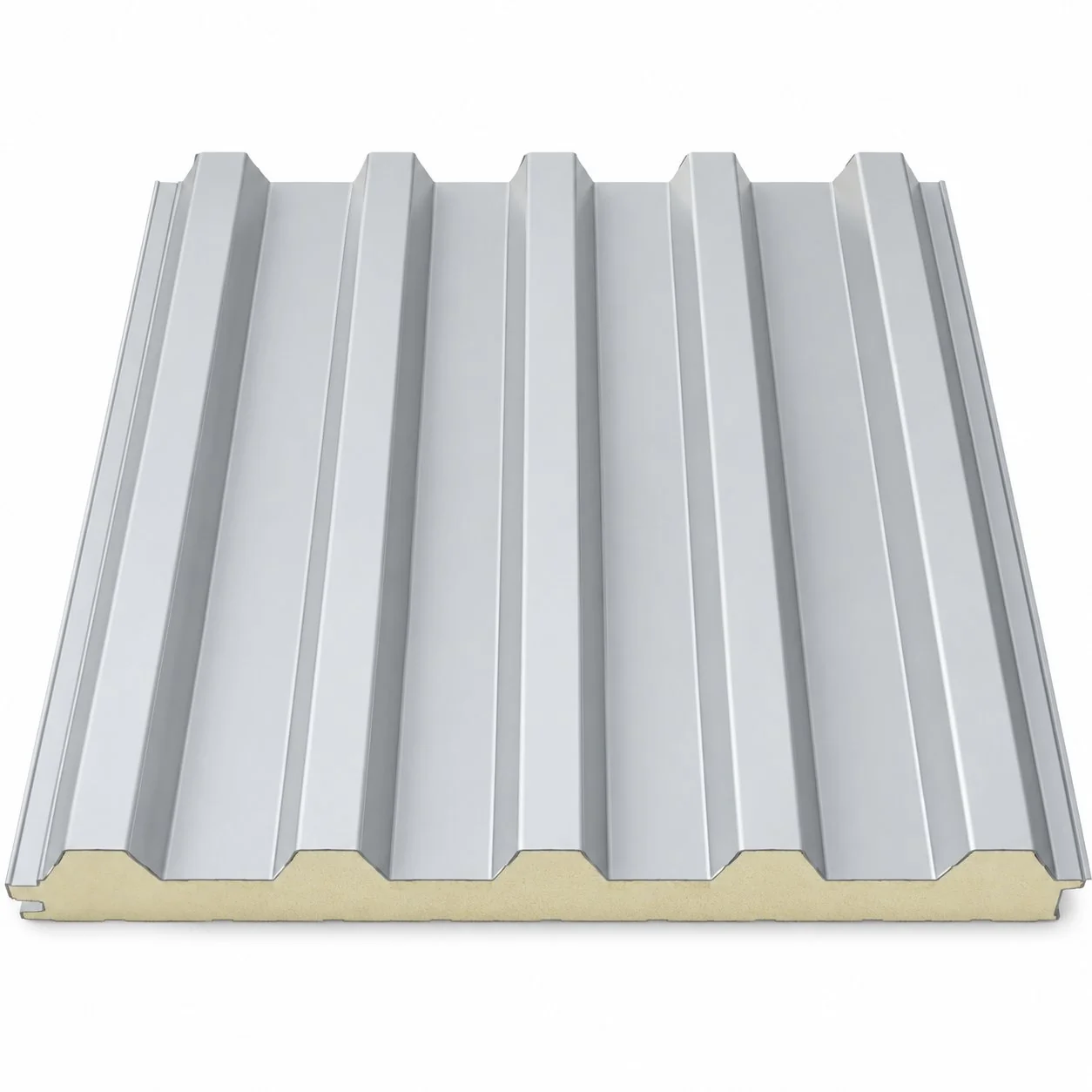
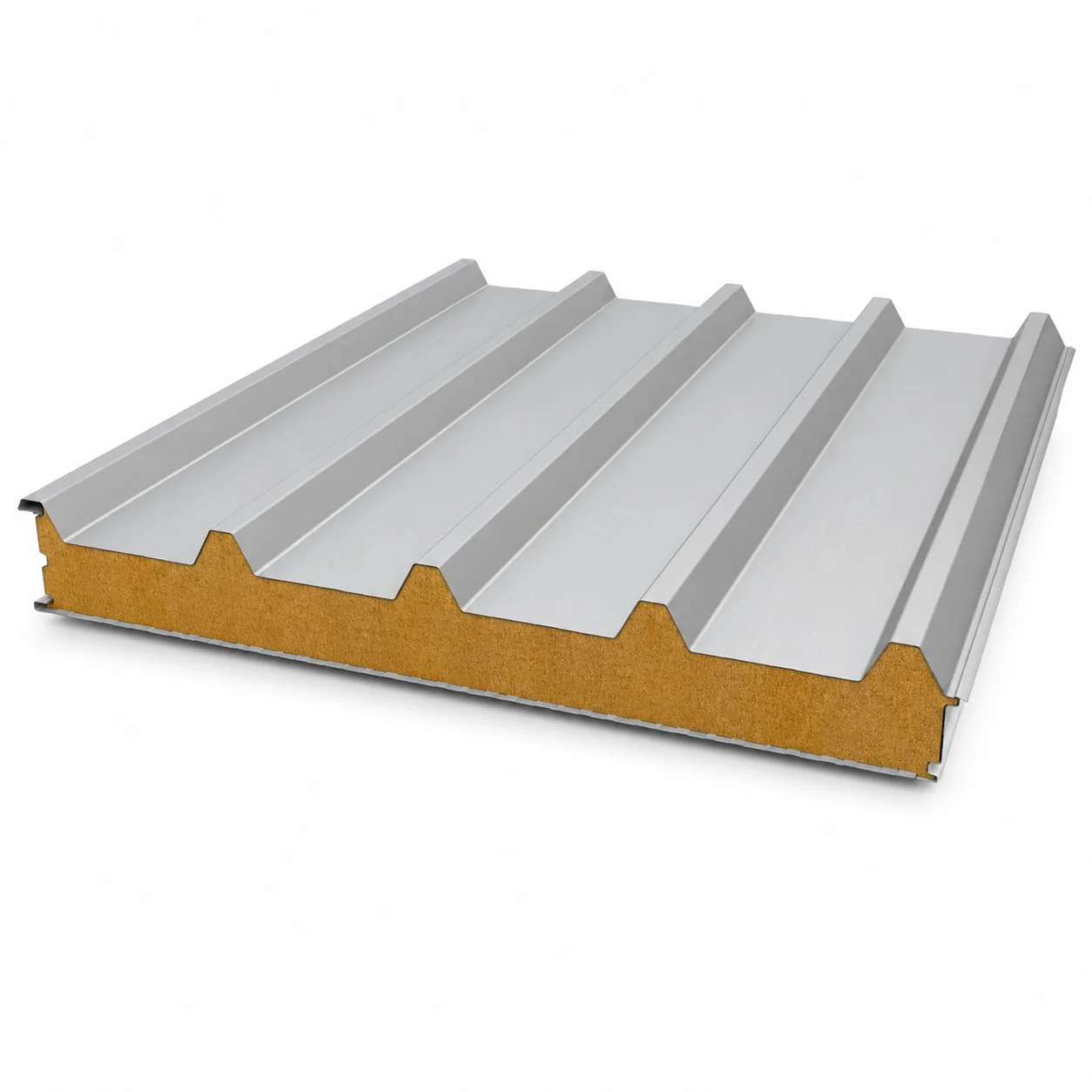
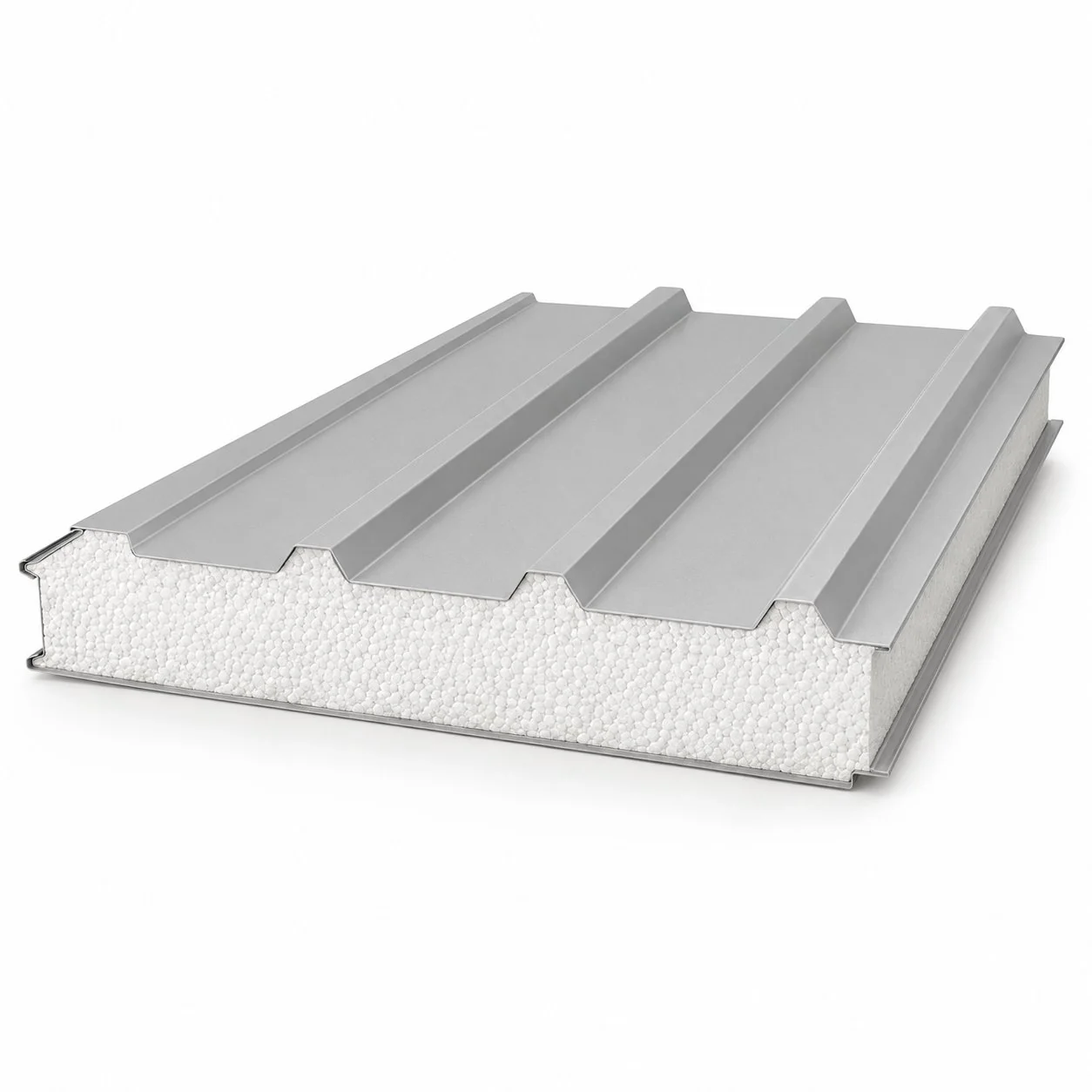
EPS Cold Room Panel
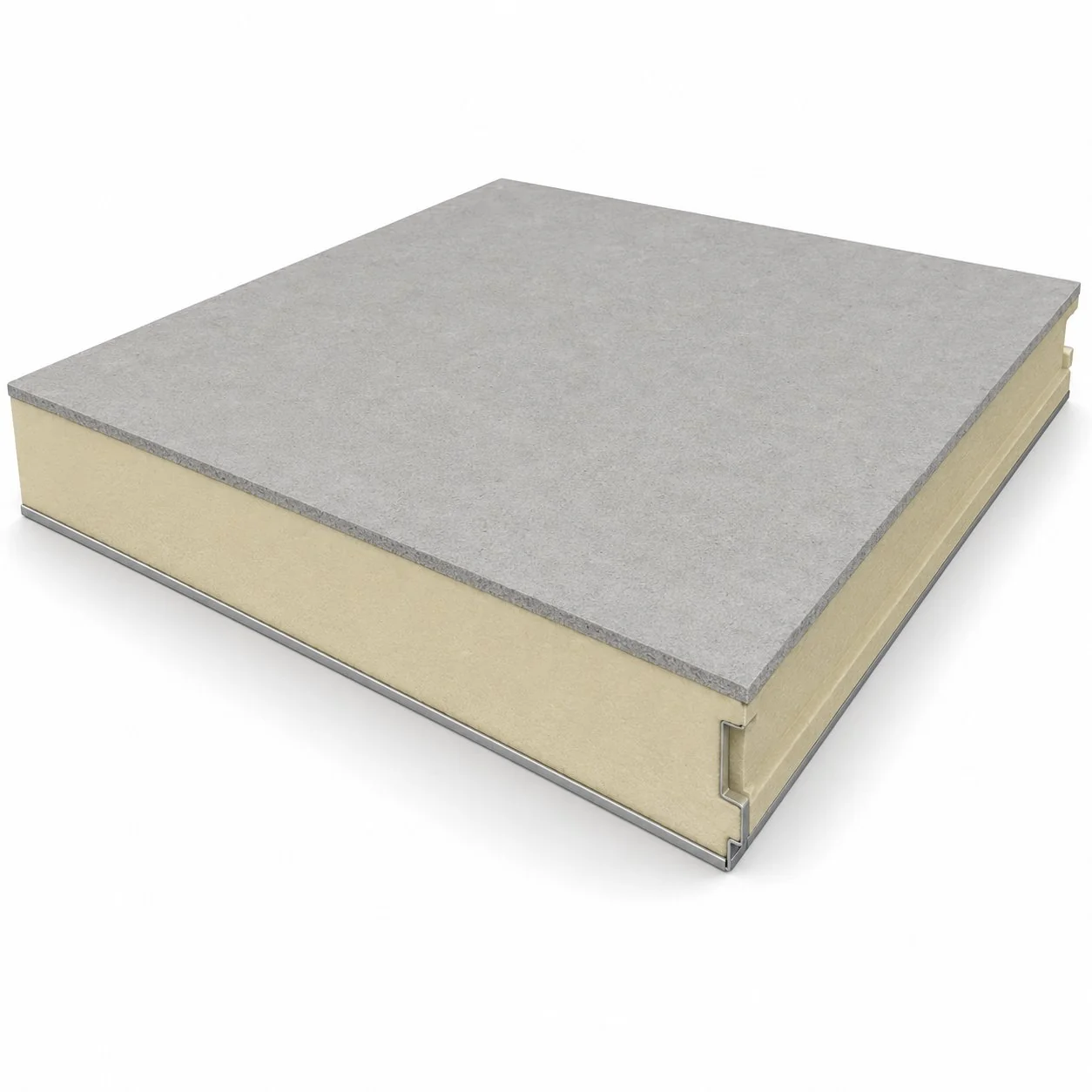
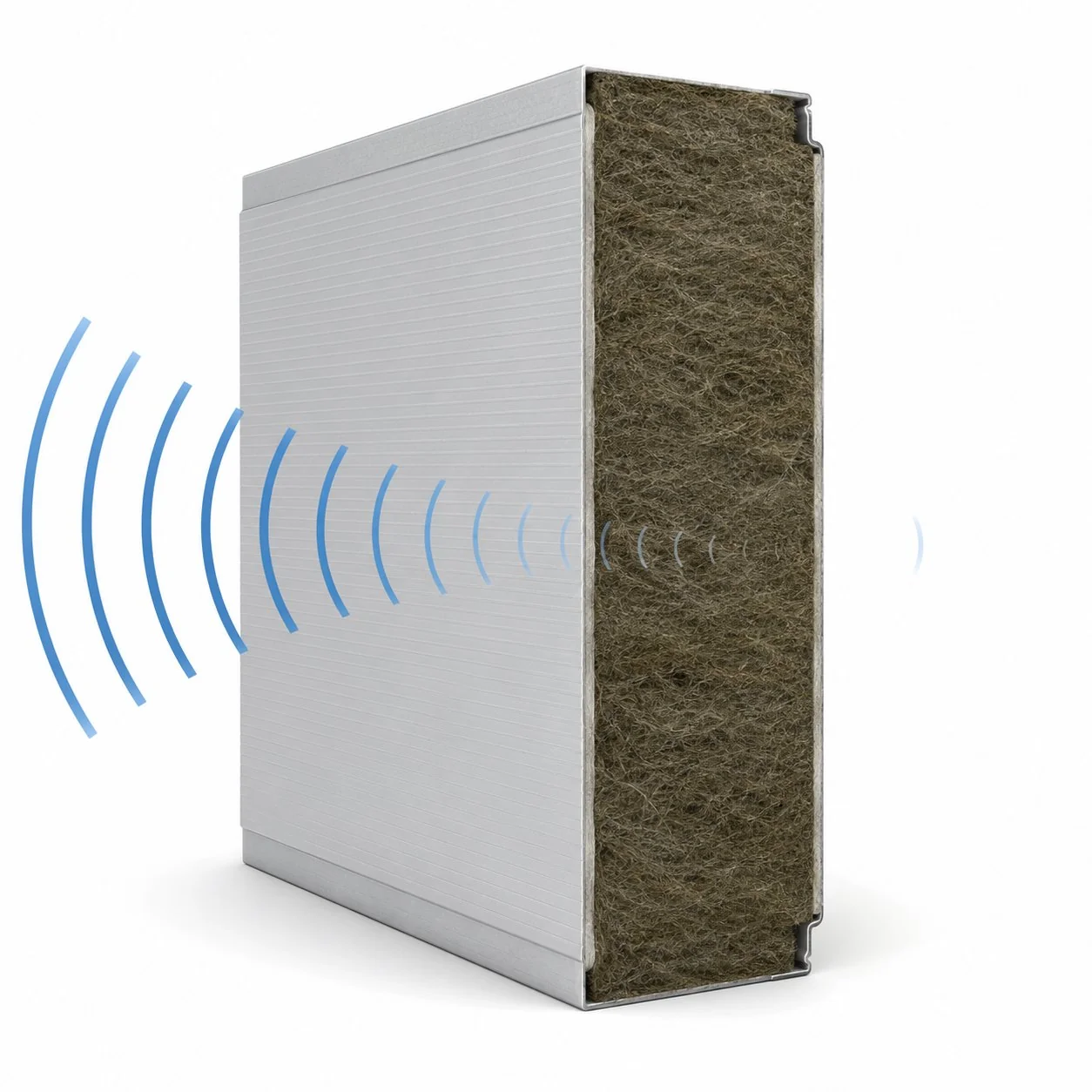
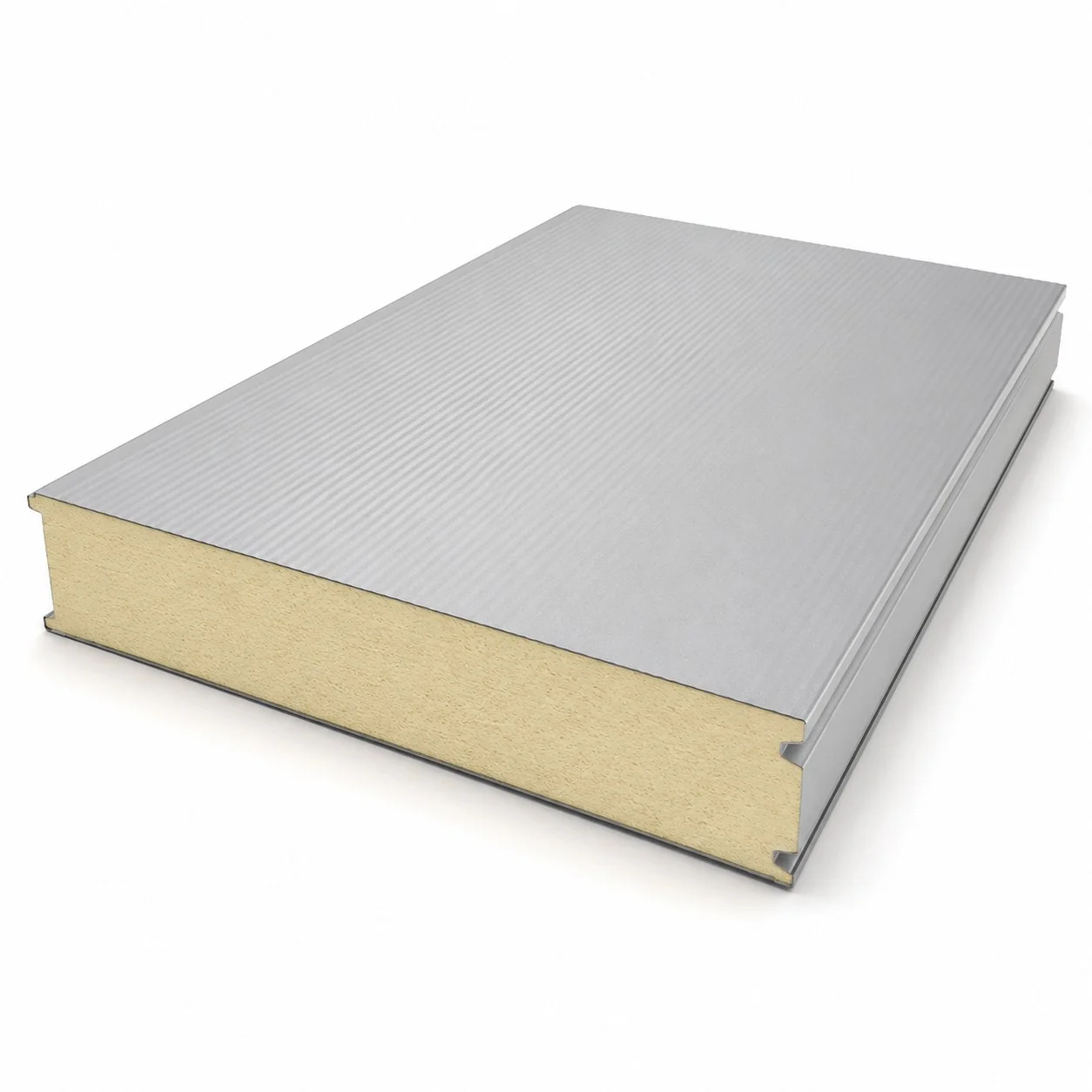
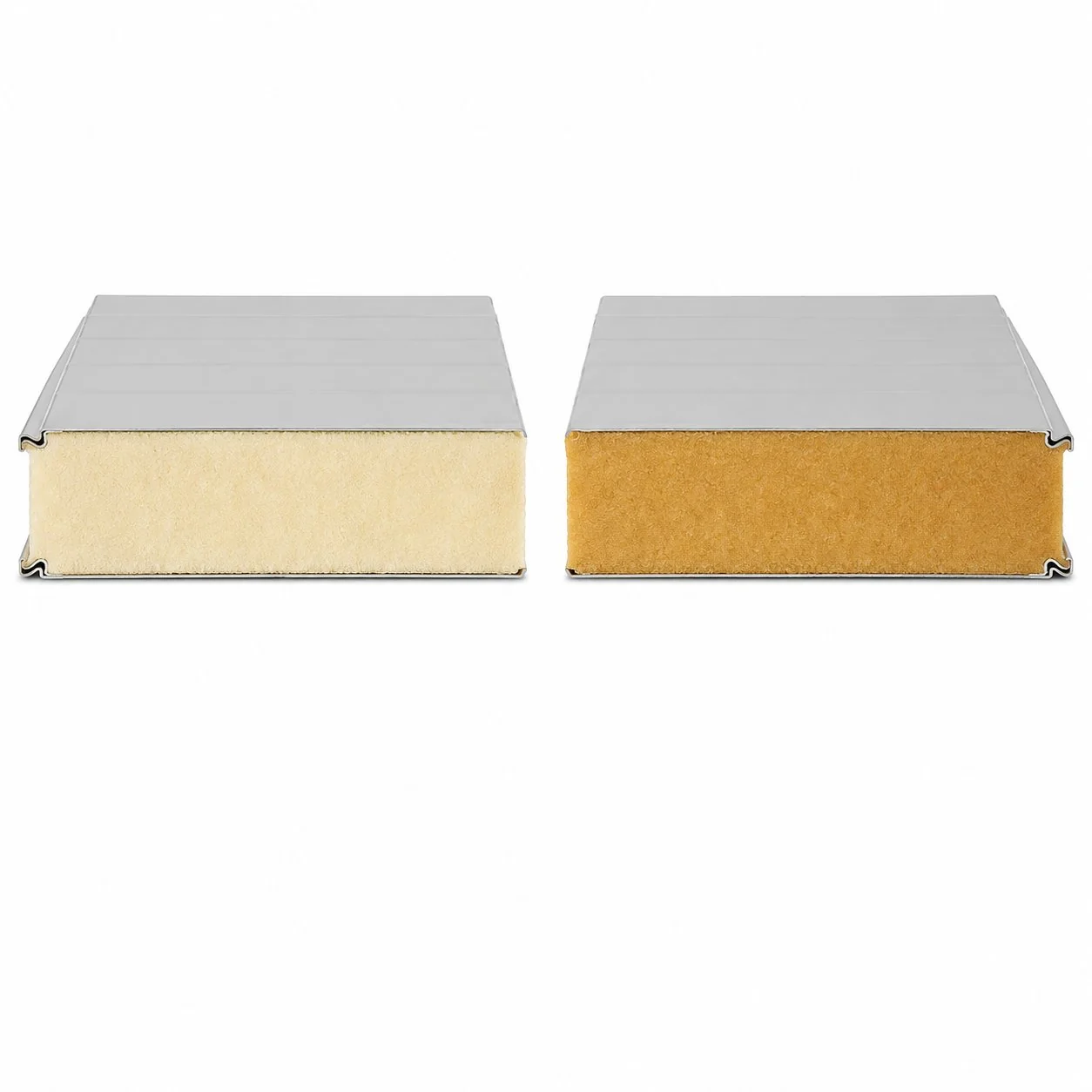
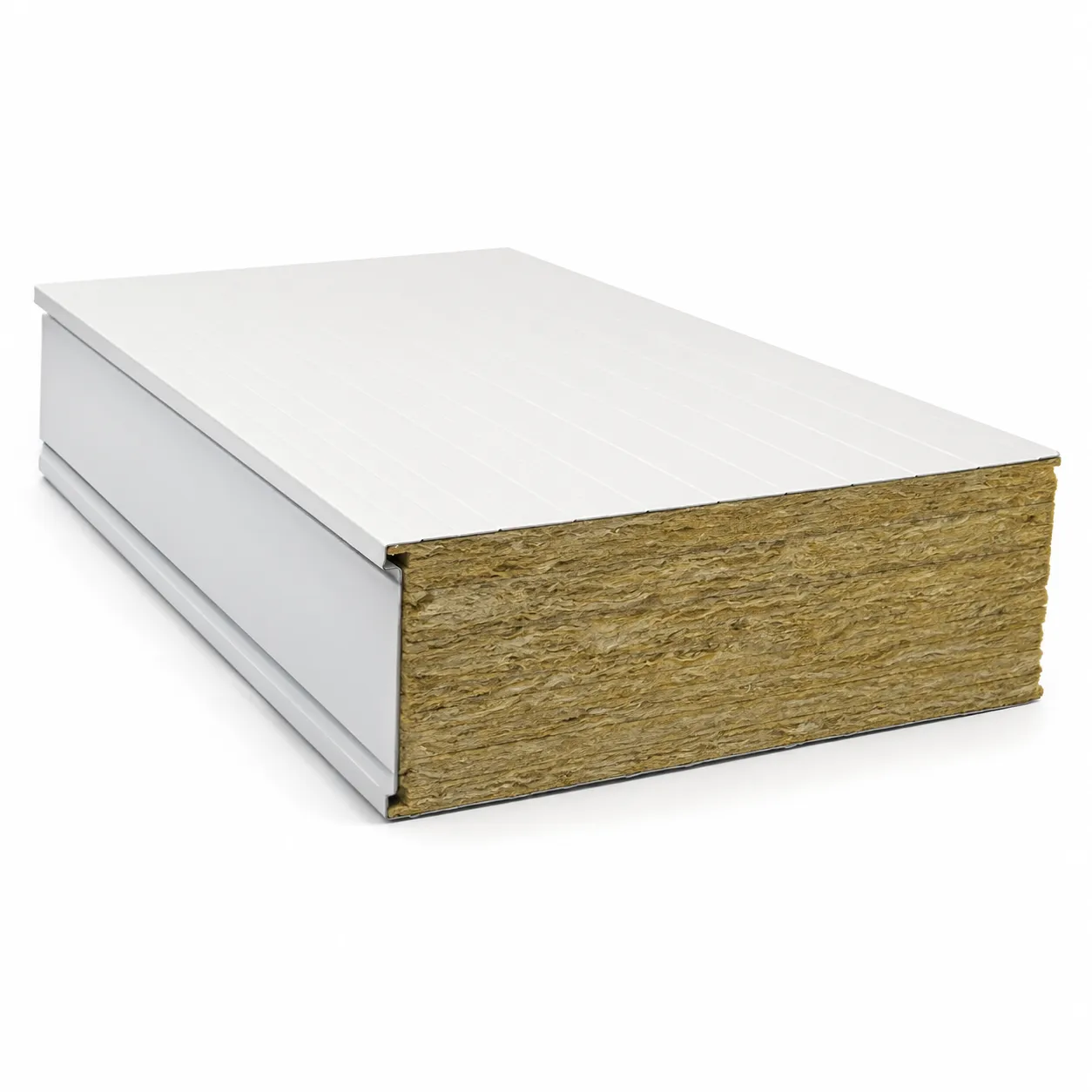
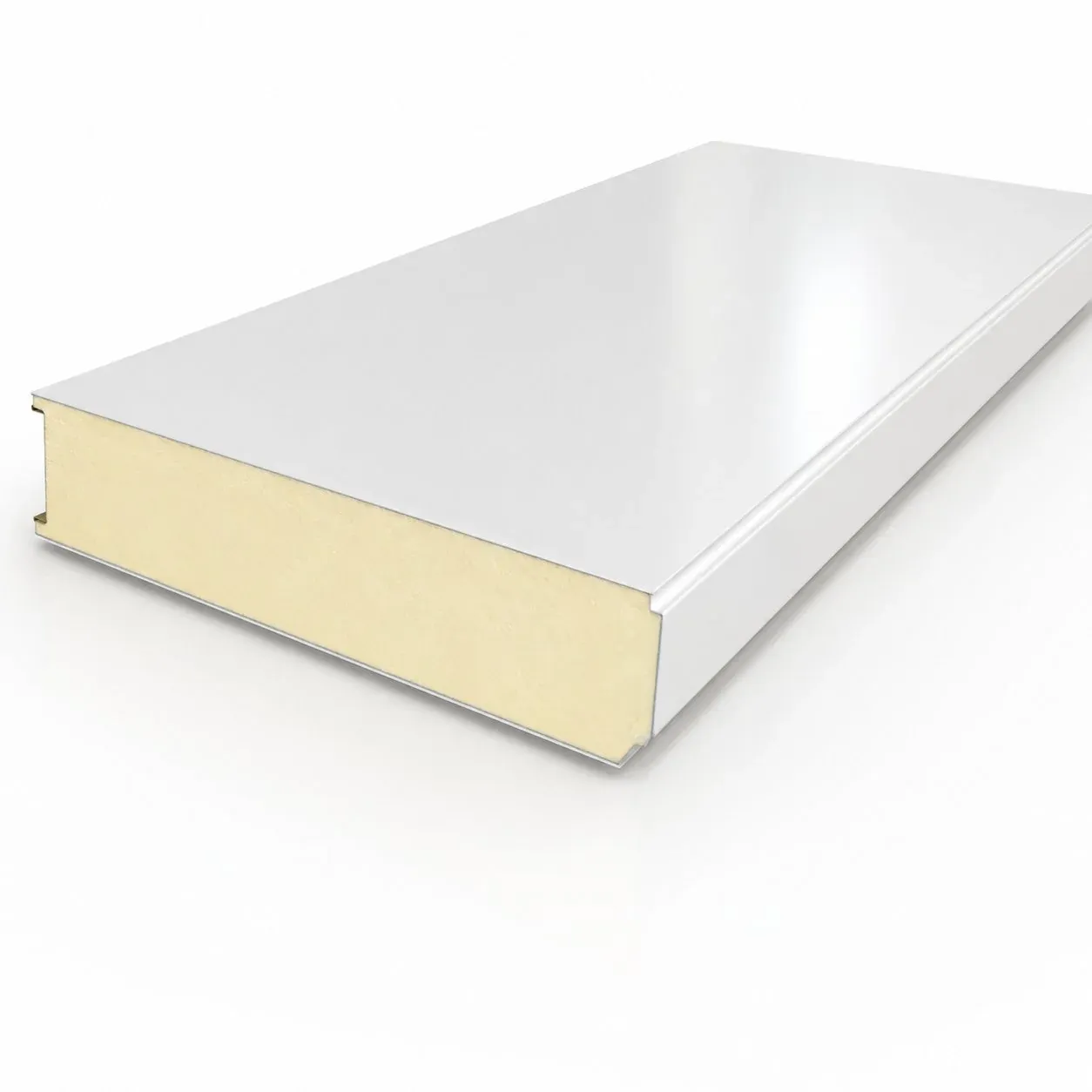
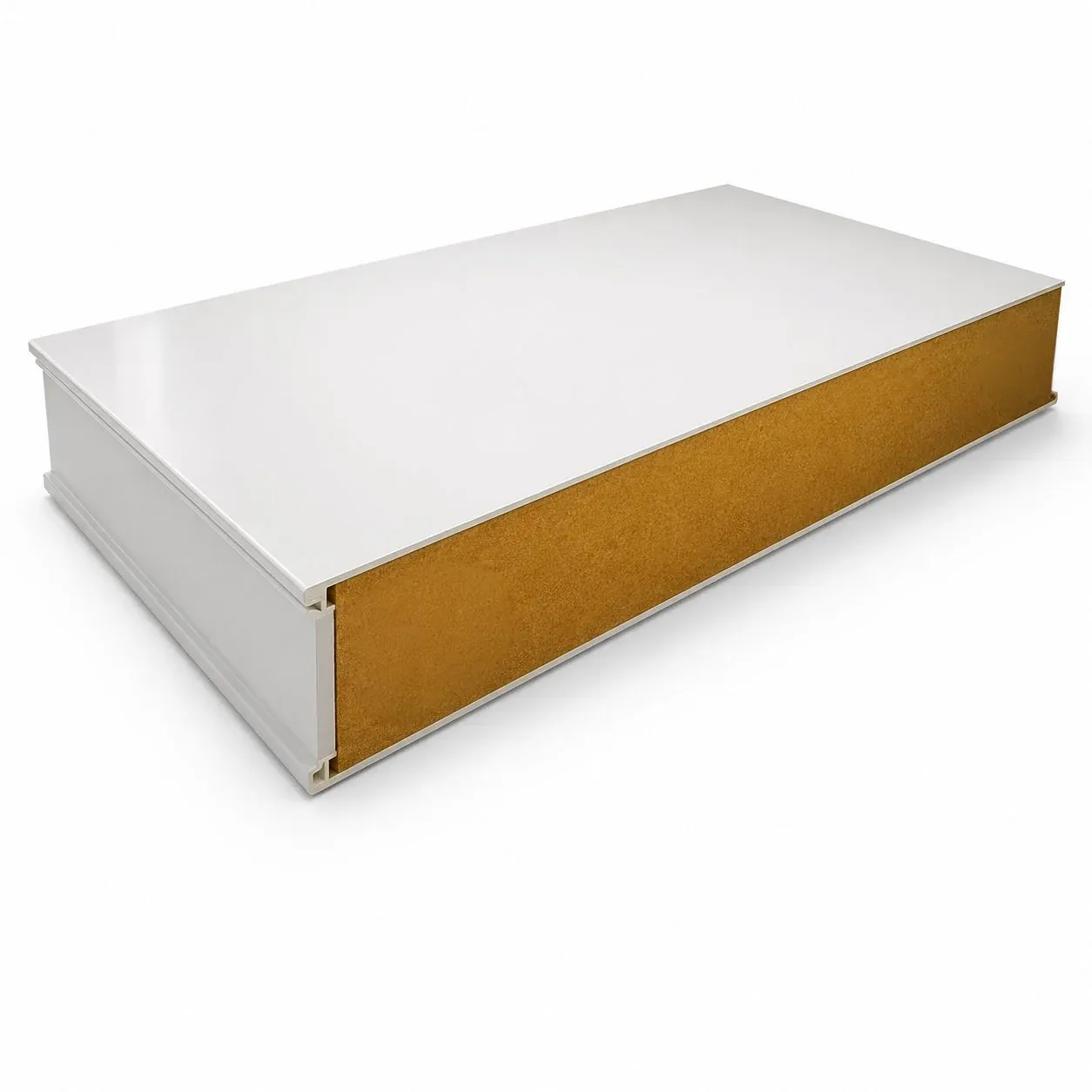
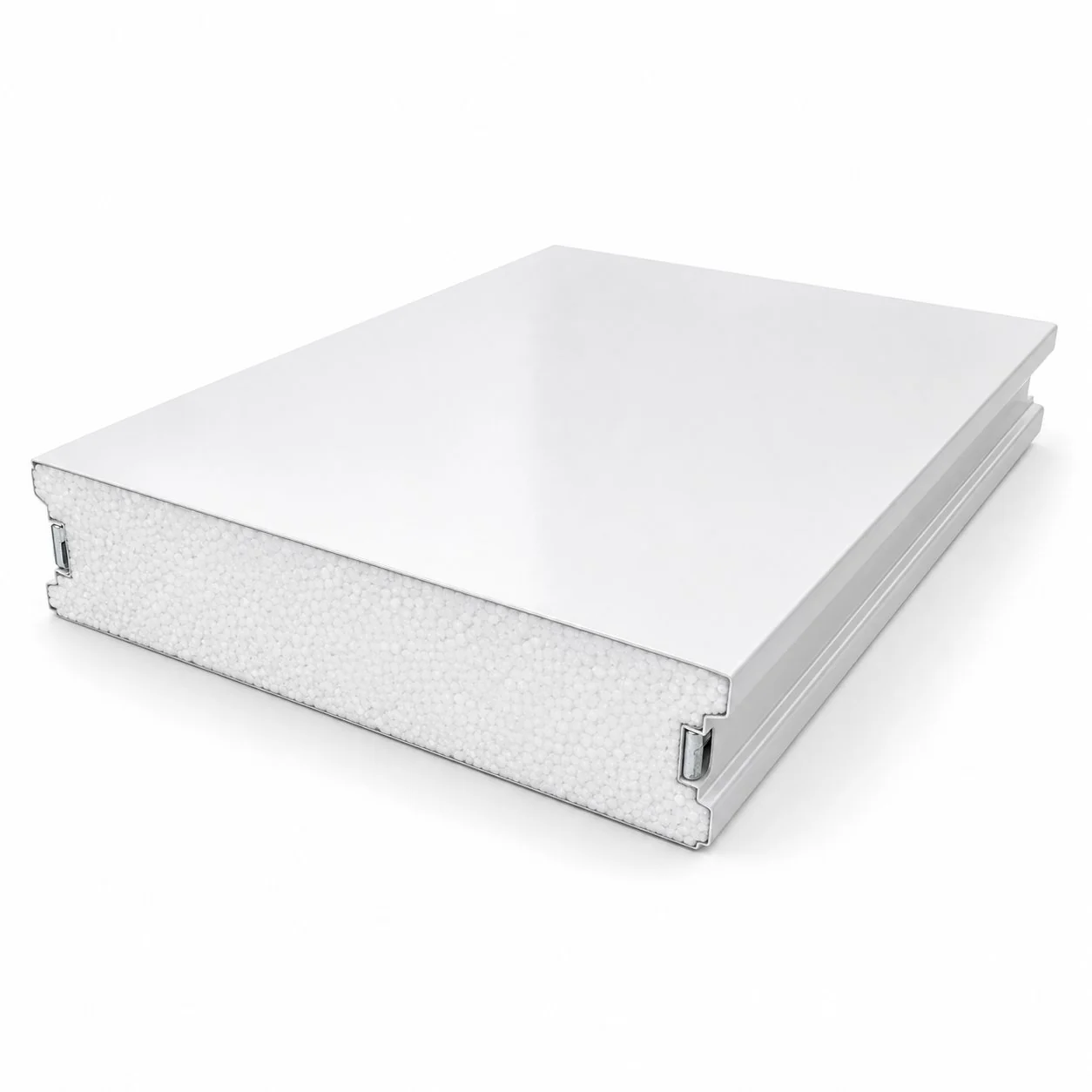
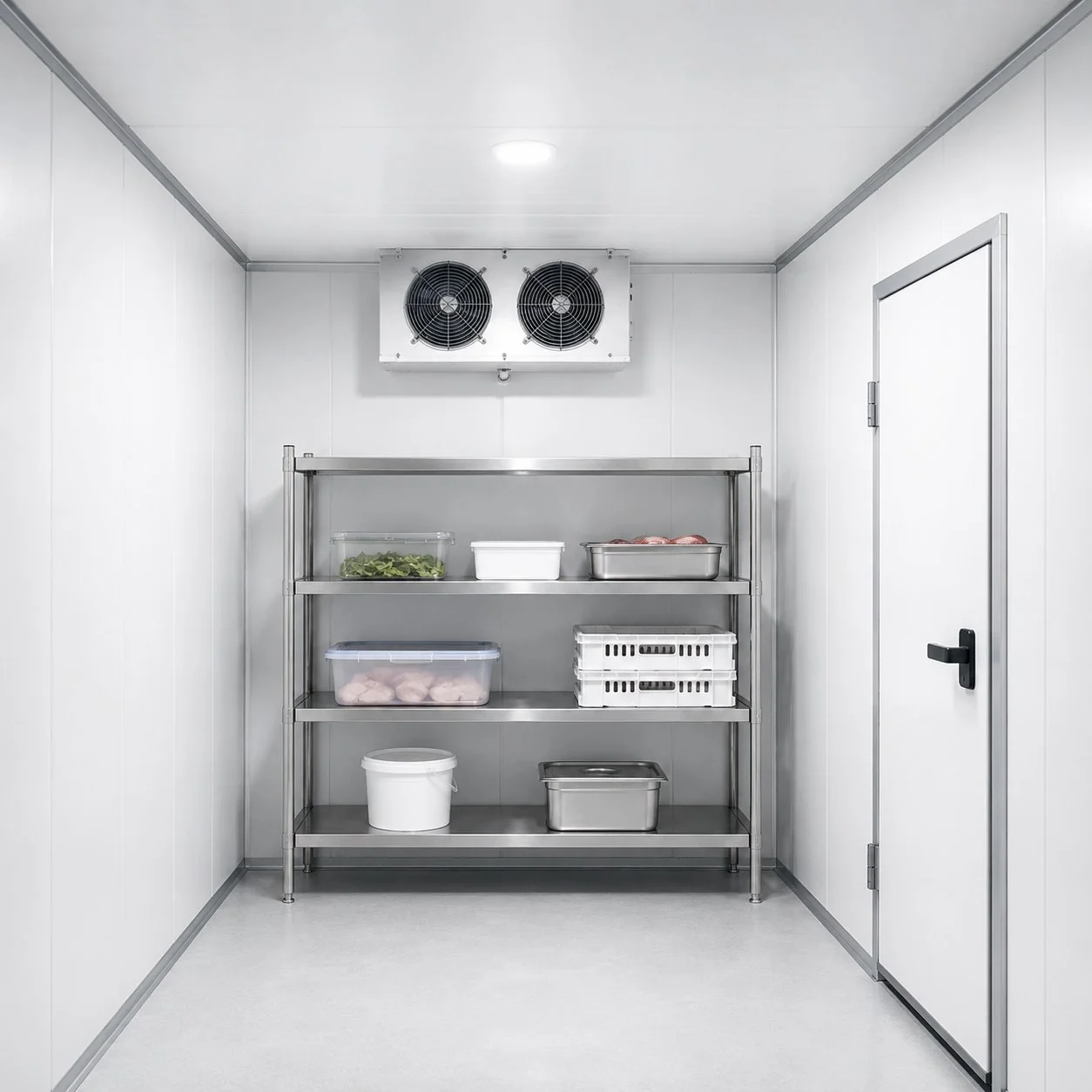
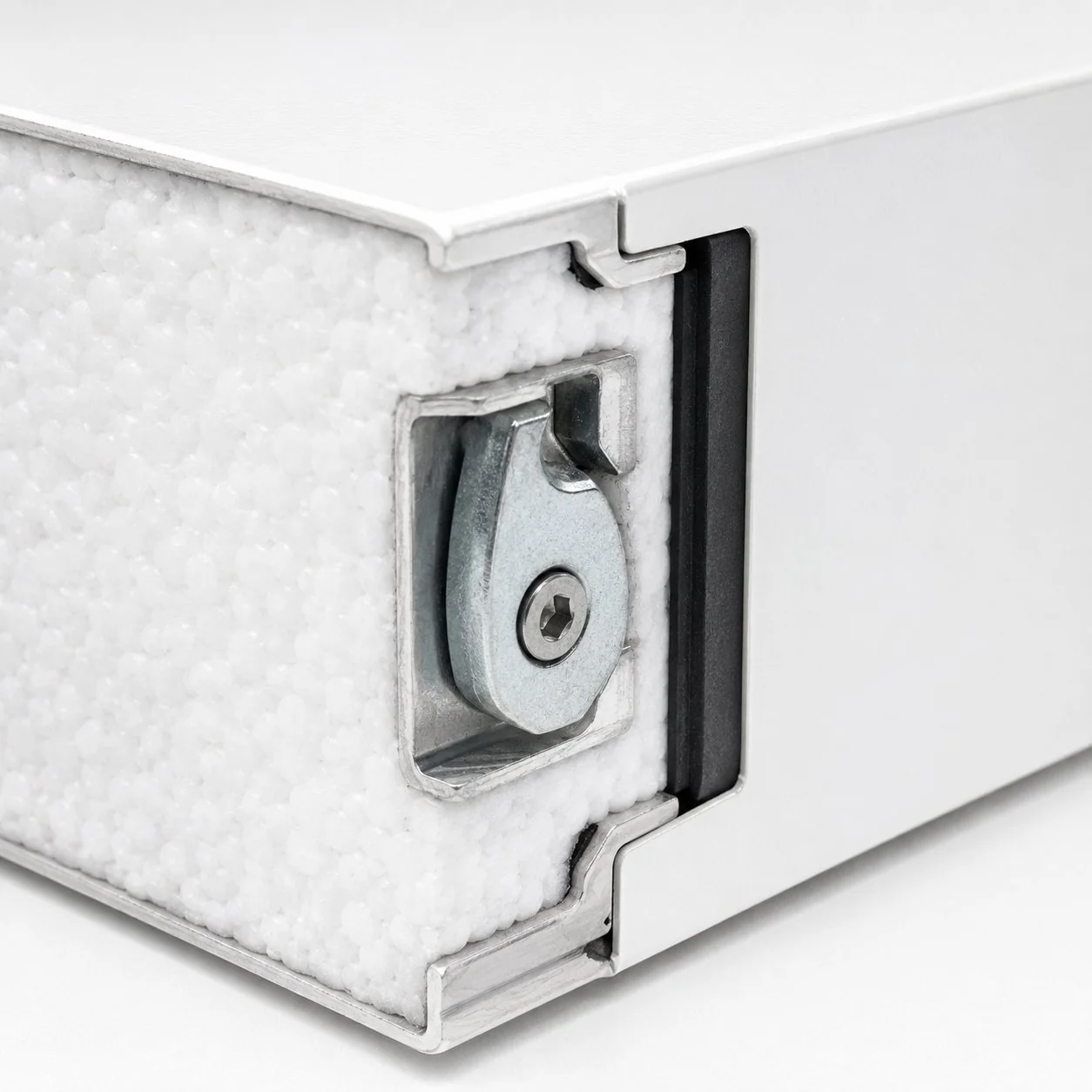
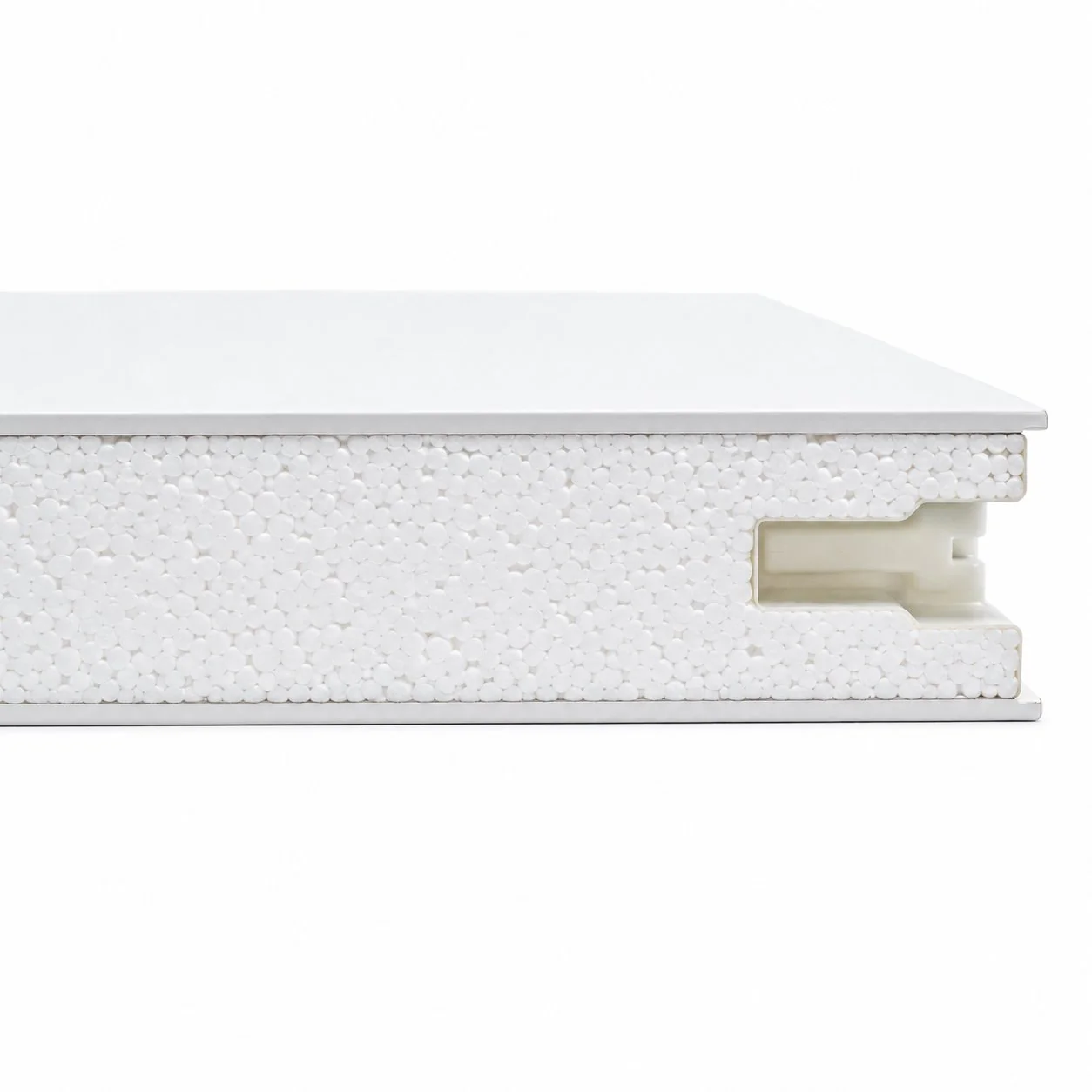
Budget-optimized EPS cold room panel with expanded polystyrene core, cam-lock joints, and hygienic surfaces. The most affordable cold room solution for chilled storage, small-scale operations, and projects where cost per square metre drives every decision.
- Thermal Conductivity: 0.035 W/mK
- Joint System: Cam-lock (eccentric hook) — airtight seal
- Surface Finish: Food-grade white polyester
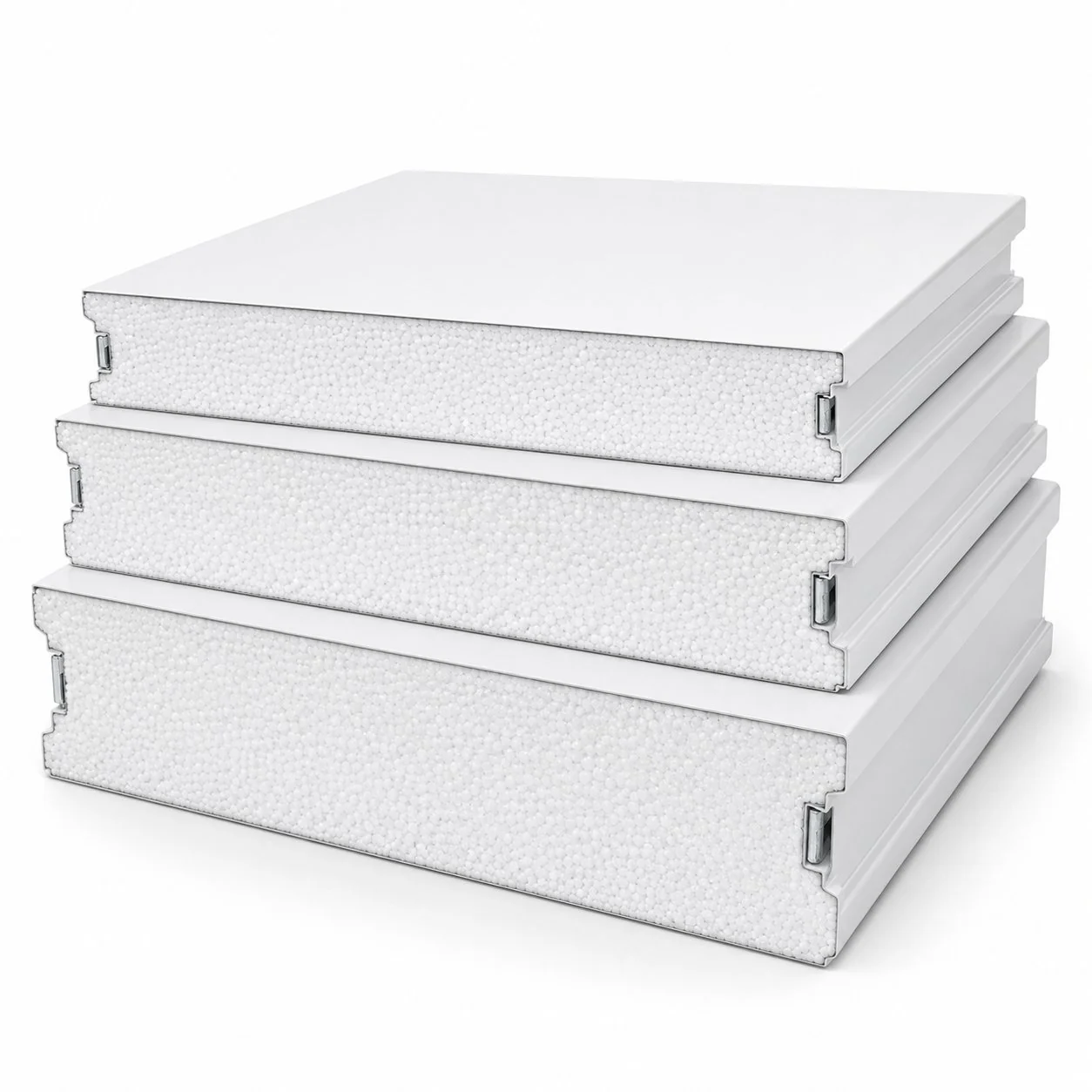
- Thickness Range: 80 / 100 / 120 / 150 / 200 mm
- Temperature Range: +15°C to -25°C
- Moisture Resistance: Excellent — closed-cell EPS does not absorb water
Need better thermal performance? PUR cold room panel (0.022). Fire-enhanced? PIR cold room panel (B-s1). Compare: Panel Selector.
Cold Storage on a Budget
The EPS cold room panel makes temperature-controlled storage accessible to businesses that cannot justify the cost of PUR or PIR panels. Using expanded polystyrene foam — the same proven insulation material trusted in construction worldwide for over 60 years — EPS cold room panels deliver reliable thermal performance at the lowest price point in our cold room range.
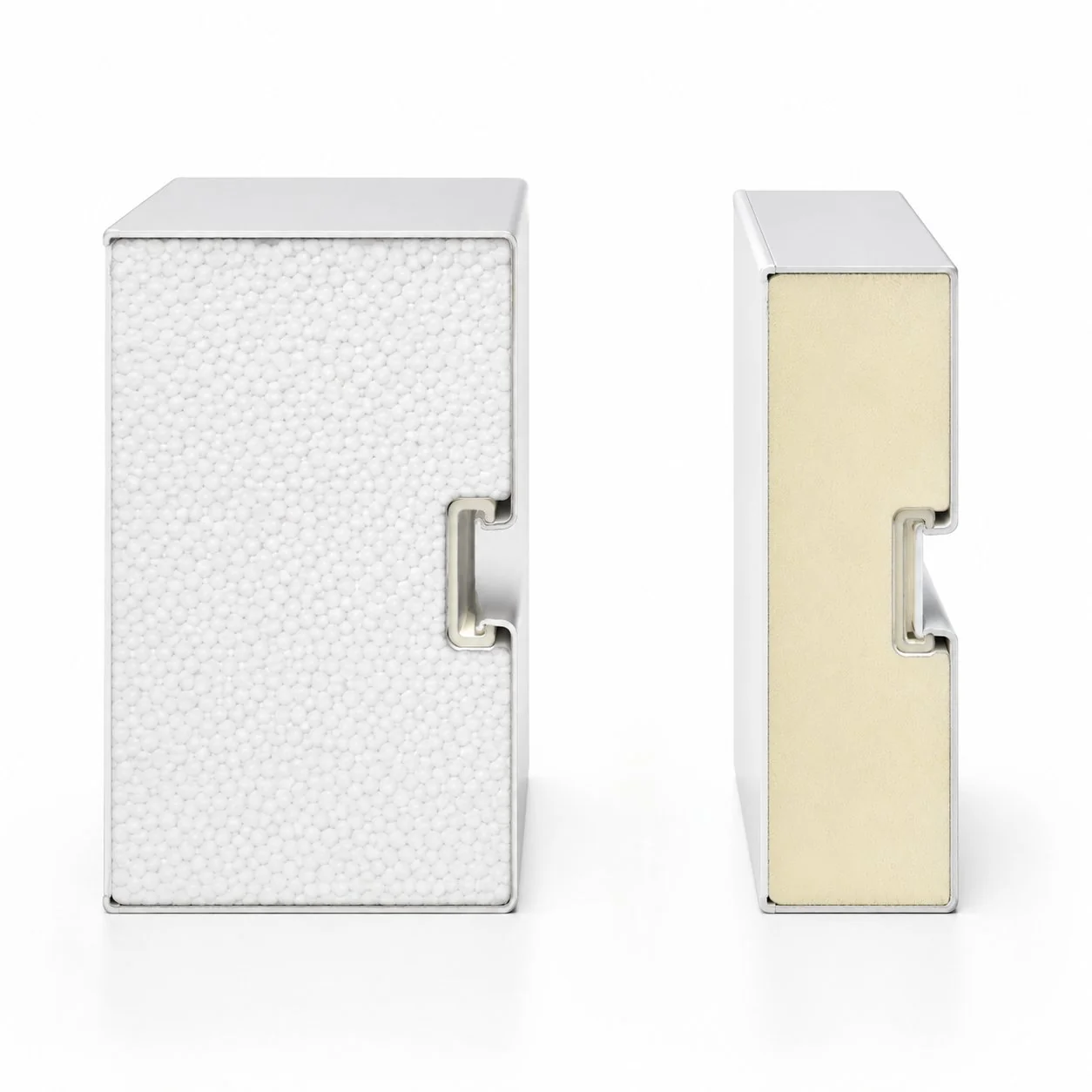
EPS cold room panels share the same cam-lock assembly system, hygienic surface finishes, and modular construction approach as our PUR and PIR cold room panels. The difference is the core material: EPS has a higher thermal conductivity (0.035 vs PUR’s 0.022 W/mK), which means thicker panels are needed to achieve equivalent insulation. For chilled storage (+15°C to 0°C), the thickness difference is modest and the cost saving is substantial.
For deep-freeze applications (-25°C and below), EPS panels become very thick (200 mm+), at which point PUR panels may offer better overall value. EPS cold room panels are at their most competitive in the chilled and light-frozen temperature range where panel thickness stays manageable.
Key Benefits
- Lowest Cold Room Cost: EPS panels cost 30–45% less per m² than PUR equivalents. For small to medium cold rooms, this can reduce the initial build cost significantly.
- Moisture Proof: EPS’s closed-cell bead structure does not absorb moisture — a critical advantage in cold room environments where condensation is a constant risk. Unlike some insulation materials, EPS maintains its thermal value even in high-humidity conditions.
- Lightweight: EPS is the lightest core material available. Panels are easy to handle, lift, and position during assembly, reducing labor costs and installation time.
- Same Cam-Lock System: Identical eccentric hook joints and EPDM gaskets as PUR and PIR panels. Same airtight seal, same assembly method, same reliability.
- Proven Durability: EPS does not settle, compress, or lose thickness over time. The panel maintains its insulation value for the full 15–20+ year cold room lifecycle.
- Recyclable: Expanded polystyrene is recyclable. At end-of-life, EPS cores can be recovered and reprocessed, supporting sustainability objectives.
Manufactured at our production facility in Turkey. Export to Romania, Bulgaria, Georgia, Macedonia, Kosovo.
Ideal Applications
- Small and medium chilled storage — butcher shops, bakeries, restaurants, florists, mini-markets
- Agricultural cold rooms — post-harvest fruit and vegetable cooling, dairy farm milk storage
- Cold Storage Facilities — chilled distribution (+2°C to +8°C) for fresh produce and dairy
- Beverage storage — beer, wine, soft drink temperature-controlled warehousing
- Retail back-of-house — supermarket walk-in chillers and prep coolers
- Temporary cold storage — event catering, seasonal demand, portable cold rooms
- Budget-driven multi-room builds — when the project has many small cold rooms and cost per room matters most
Not recommended for deep-freeze below -25°C (panels become excessively thick). For deep-freeze: PUR cold room panel (150 mm for -25°C vs EPS 220+ mm). For fire-critical cold rooms: PIR cold room panel
Panel Specifications
| SPECIFICATION | VALUE |
| Core Material | Expanded polystyrene (EPS), fire-retardant grade, closed-cell |
| Core Density | 18–25 kg/m³ (standard 20 kg/m³ for cold rooms) |
| Thermal Conductivity (λ) | 0.035 W/mK (declared per EN 14509) |
| Panel Thickness | 80 / 100 / 120 / 150 / 200 mm |
| Panel Profile | Flat / smooth (both faces) |
| Effective Width | 1150 mm (standard) |
| Maximum Length | Up to 12,000 mm |
| Both Facings | Pre-painted galvanized steel, 0.5 mm, white polyester (food-grade) |
| Optional Facings | Stainless steel (AISI 304), plastisol |
| Joint System | Cam-lock (eccentric hook) with EPDM gasket |
| Fire Reaction | Euroclass E (per EN 13501-1) |
| Weight (approx.) | ~9–11 kg/m² (at 100 mm) — lightest cold room panel |
| Operating Temperature | +15°C to -25°C (recommended range) |
| Moisture Absorption | <2% by volume |
| Hygiene | Food-grade surface, HACCP compatible |
| Standards | EN 14509, EN 13163, CE Marked, ISO 9001 |
Recommended Thickness by Temperature
| SPECIFICATION | VALUE |
| +15°C to +5°C (chilled) | 80–100 mm — best EPS value zone |
| +5°C to 0°C (fresh) | 100–120 mm |
| 0°C to -10°C (light frozen) | 120–150 mm |
| -10°C to -18°C (frozen) | 150–200 mm |
| -18°C to -25°C (deep freeze) | 200 mm (consider PUR at this point) |
Calculate: U-Value Calculator.
U-Value by Panel Thickness
| SPECIFICATION | VALUE |
| 80 mm | U = 0.42 W/m²K |
| 100 mm | U = 0.34 W/m²K |
| 120 mm | U = 0.28 W/m²K |
| 150 mm | U = 0.23 W/m²K |
| 200 mm | U = 0.17 W/m²K |
Where EPS Cold Room Panels Shine
EPS cold room panels deliver the best value in specific scenarios. Understanding where the sweet spot lies helps you make the right decision:
Best Value Zone: Chilled Storage (+15°C to 0°C)
In this temperature range, EPS panels need only 80–120 mm thickness — a manageable profile that keeps costs far below PUR equivalents. The panel price saving (30–45%) translates almost entirely to the bottom line because:
- Thickness difference is modest (EPS 100 mm vs PUR 60 mm for same U-value)
- Interior space loss from thicker walls is minimal in most room layouts
- Refrigeration load difference between EPS and PUR at these temperatures is small
- Cam-lock system is identical — no additional sealing cost
Diminishing Returns Zone: Deep Freeze (-18°C to -25°C)
At deep-freeze temperatures, EPS panels must be 200 mm thick to match what PUR achieves at 150 mm. At this point:
- Interior space loss becomes significant (50 mm extra wall on each side = 100 mm total room shrinkage)
- Panel weight increases (thicker panels use more steel facing material)
- Refrigeration energy cost rises due to higher U-value per mm
- PUR or PIR may offer lower total cost of ownership when energy costs over 10+ years are included
Cost Comparison: Chilled Room Example (3m x 4m x 2.5m)
| SPECIFICATION | VALUE |
| Target: +4°C chilled room | |
| EPS 100 mm panels | Lowest initial investment |
| PUR 60 mm panels | ~35% higher upfront cost |
| Annual energy saving (PUR vs EPS) | Lower cooling energy use year-round (lower U-value) |
| Payback period for PUR upgrade | ~3–5 years |
For cold rooms with a planned service life under 5–7 years, or for businesses with low electricity costs, EPS delivers clear value. For longer-term installations or high energy prices, PUR’s lower running cost may justify the higher panel price.
Need help deciding? Use the Panel Selector or contact our technical team for a project-specific cost analysis.
How does the EPS cold room panel compare?
| Feature | EPS | PUR | PIR |
| Thermal (λ) | 0.035 | 0.022 | 0.023 |
| Fire Class | E | B-s2, d0 | B-s1, d0 |
| Thickness for +4°C | 100 mm | 60 mm | 65 mm |
| Thickness for -25°C | 220+ mm | 150 mm | 155 mm |
| Weight (100 mm) | ~10 kg/m² | ~12 kg/m² | ~13 kg/m² |
| Moisture Resist. | Excellent | Good | Good |
| Panel Cost | $ | $$ | $$$ |
| Best For | Chilled / budget | All-round cold | Fire-critical cold |
Alternatives: PUR Cold Room · PIR Cold Room
Certifications
- EN 14509: Self-supporting insulating panels.
- EN 13163: Thermal insulation — factory made EPS.
- CE Marking: European market compliance.
- EN 13501-1: Fire reaction — Euroclass E.
- HACCP Compatible: Food-grade hygienic surfaces.
- ISO 9001: Manufacturing quality management.
All certificates: Quality & Certificates.
Is EPS good enough for a cold room?
Absolutely — for the right temperature range. EPS has been used in cold room construction for decades worldwide. For chilled storage (+15°C to 0°C), EPS delivers excellent performance at the lowest cost. For frozen storage (0°C to -18°C), EPS works well but requires thicker panels. For deep-freeze below -25°C, PUR panels may offer better overall value due to their superior insulation per millimeter.
How much cheaper is EPS compared to PUR for cold rooms?
EPS cold room panels typically cost 30–45% less per m² than PUR equivalents. For a small cold room (e.g., 3m x 4m x 2.5m), this can translate to meaningful savings on panels alone. Combined with slightly lower weight and faster handling, total project savings are meaningful.
What temperatures can EPS cold room panels handle?
We recommend EPS cold room panels for operating temperatures from +15°C down to -25°C. At -25°C, panels are 200 mm thick. Below -25°C, we recommend PUR panels instead, as EPS thickness becomes impractical and energy efficiency suffers.
Does EPS absorb moisture in cold rooms?
No. EPS has a closed-cell structure that absorbs less than 2% water by volume, even when surrounded by moisture-laden cold room air. This is a genuine advantage: condensation forms on cold room surfaces regularly, and EPS panels maintain their insulation value regardless.
Is the cam-lock system the same as PUR and PIR panels?
Yes. Identical eccentric hook mechanisms and EPDM gaskets. Same airtight, vapor-tight seal. EPS, PUR, and PIR cold room panels are fully compatible — you could even mix panel types in the same installation (though this is uncommon).
What fire rating does EPS have?
EPS cold room panels achieve Euroclass E. For applications requiring B-class fire rating, specify PUR (B-s2) or PIR (B-s1) cold room panels.
Do you export EPS cold room panels?
Yes. Romania, Bulgaria, Georgia, Macedonia, Kosovo. Request a quote or visit Export Markets