

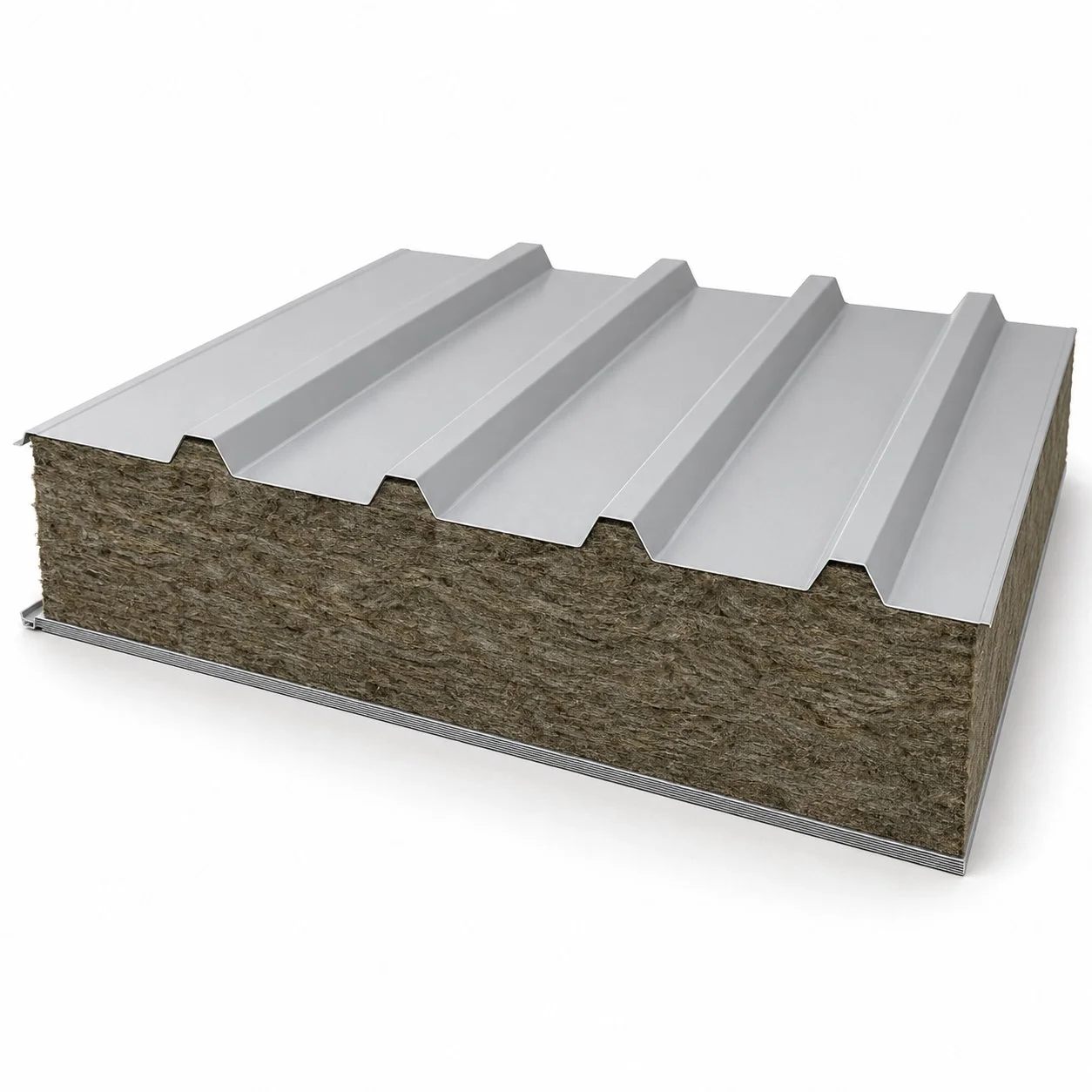
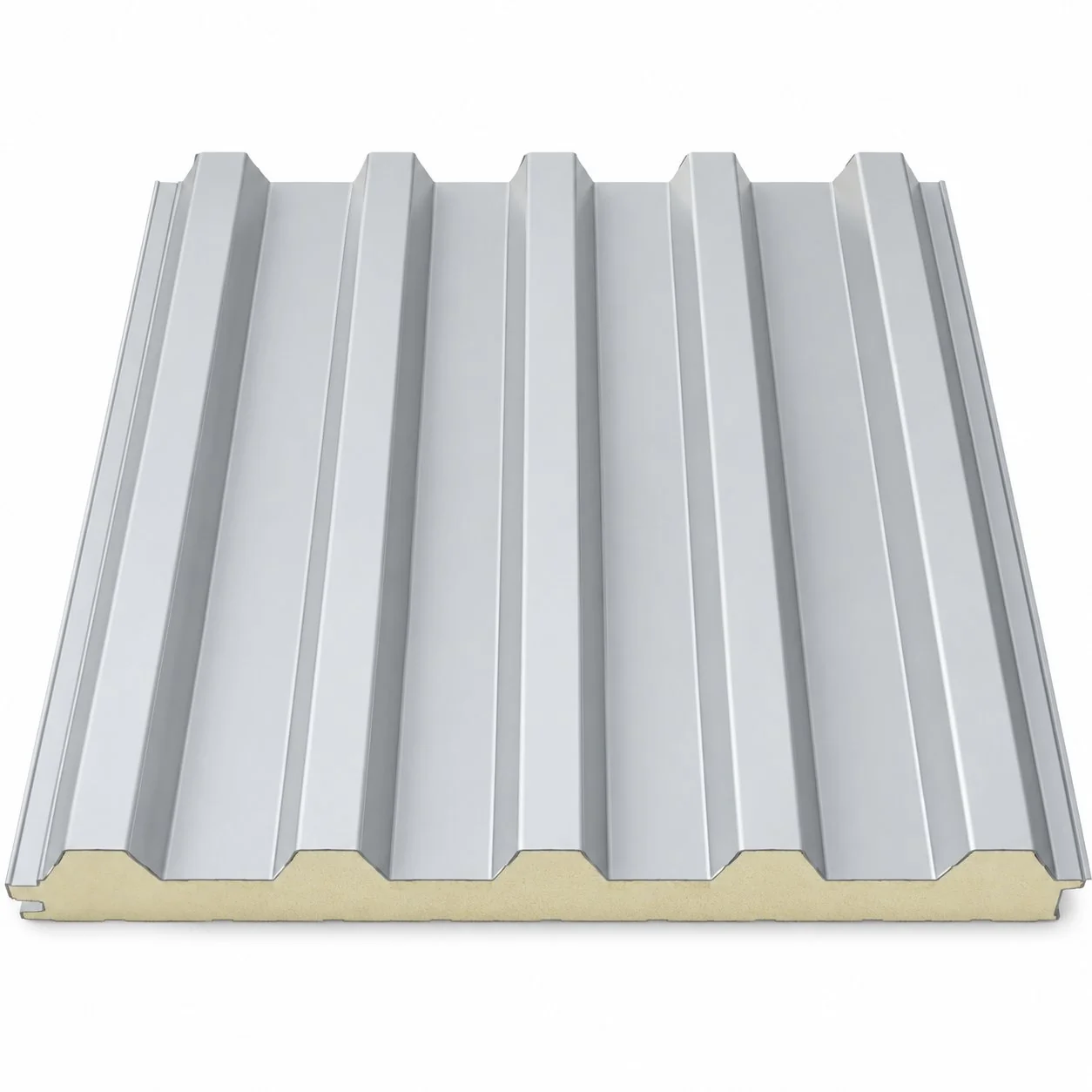
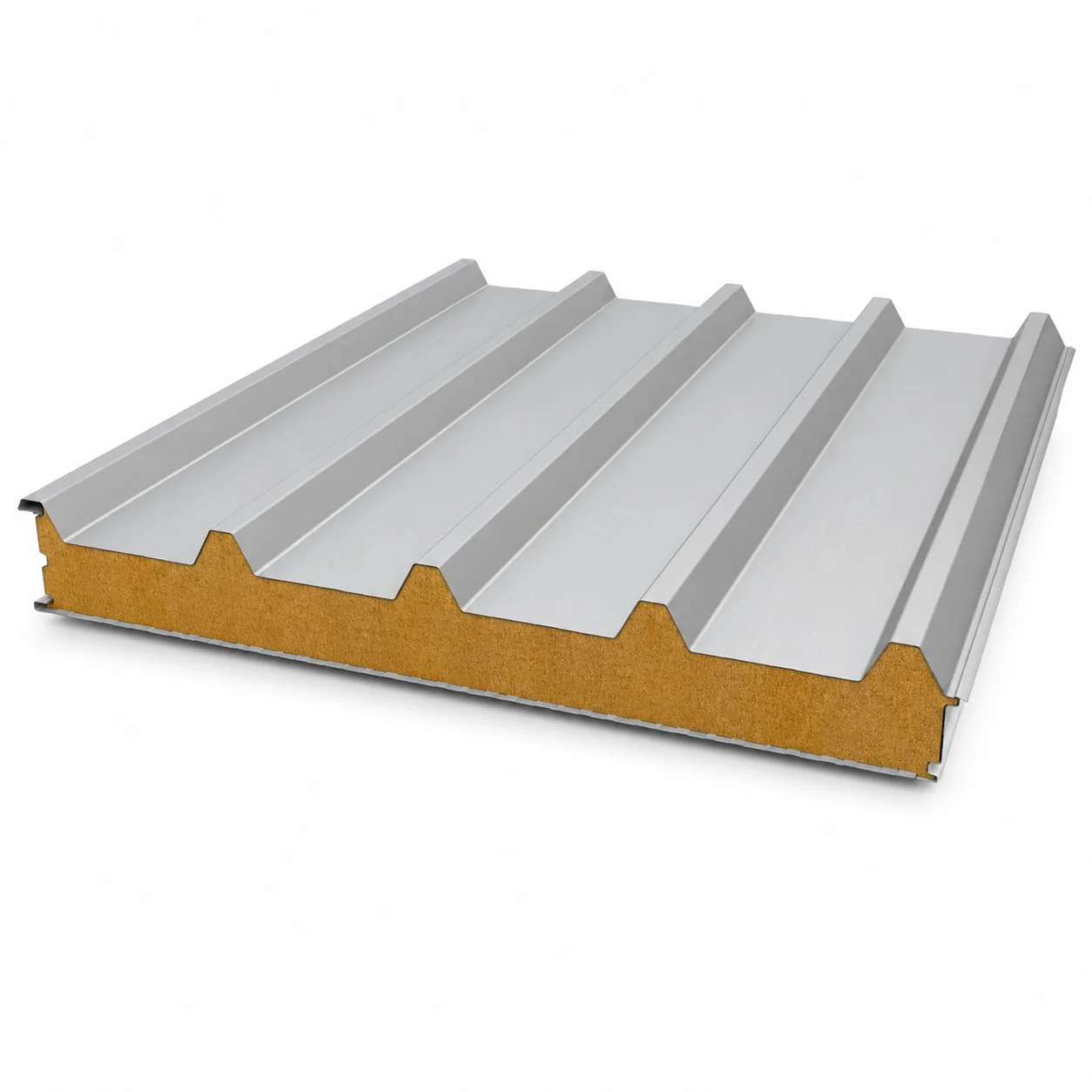
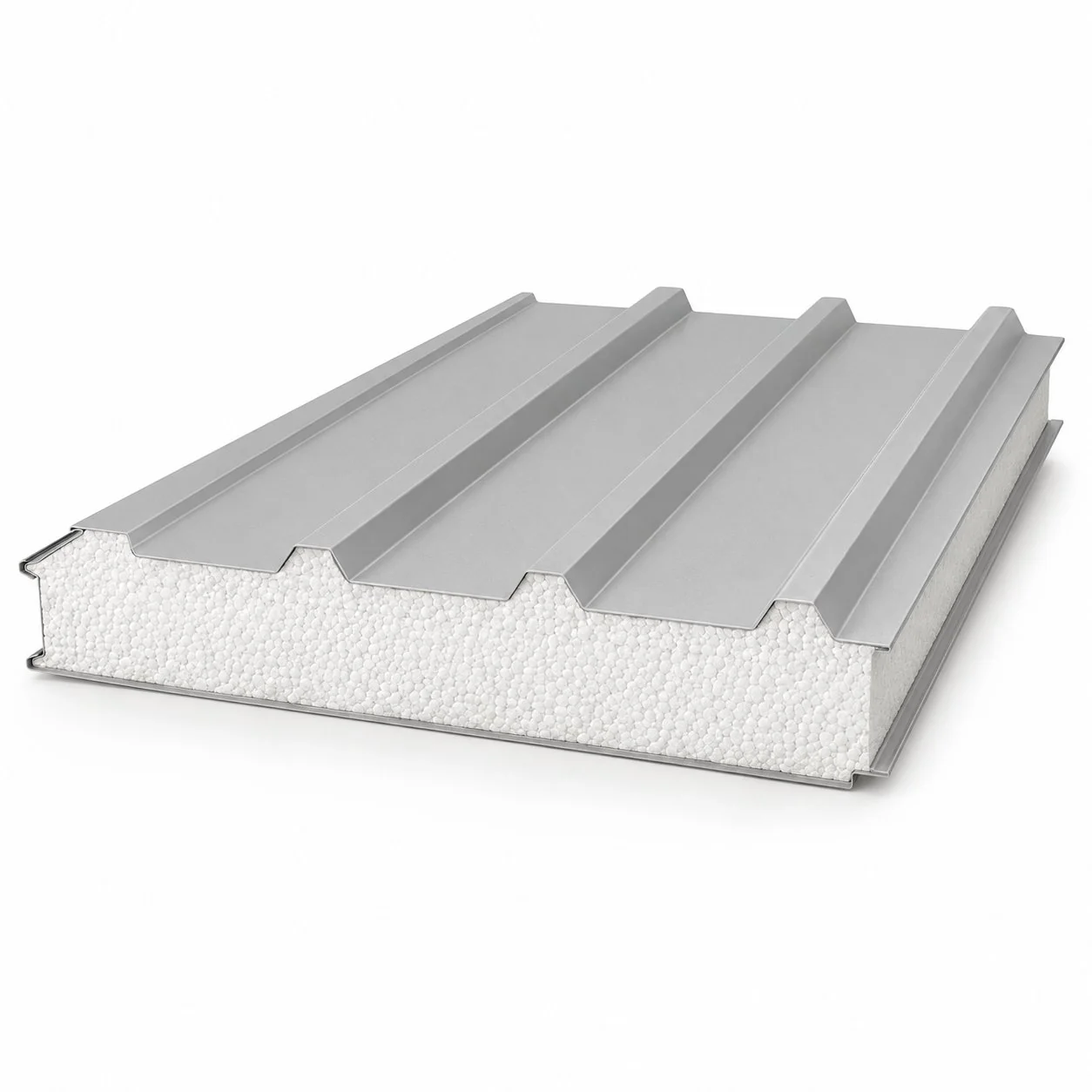
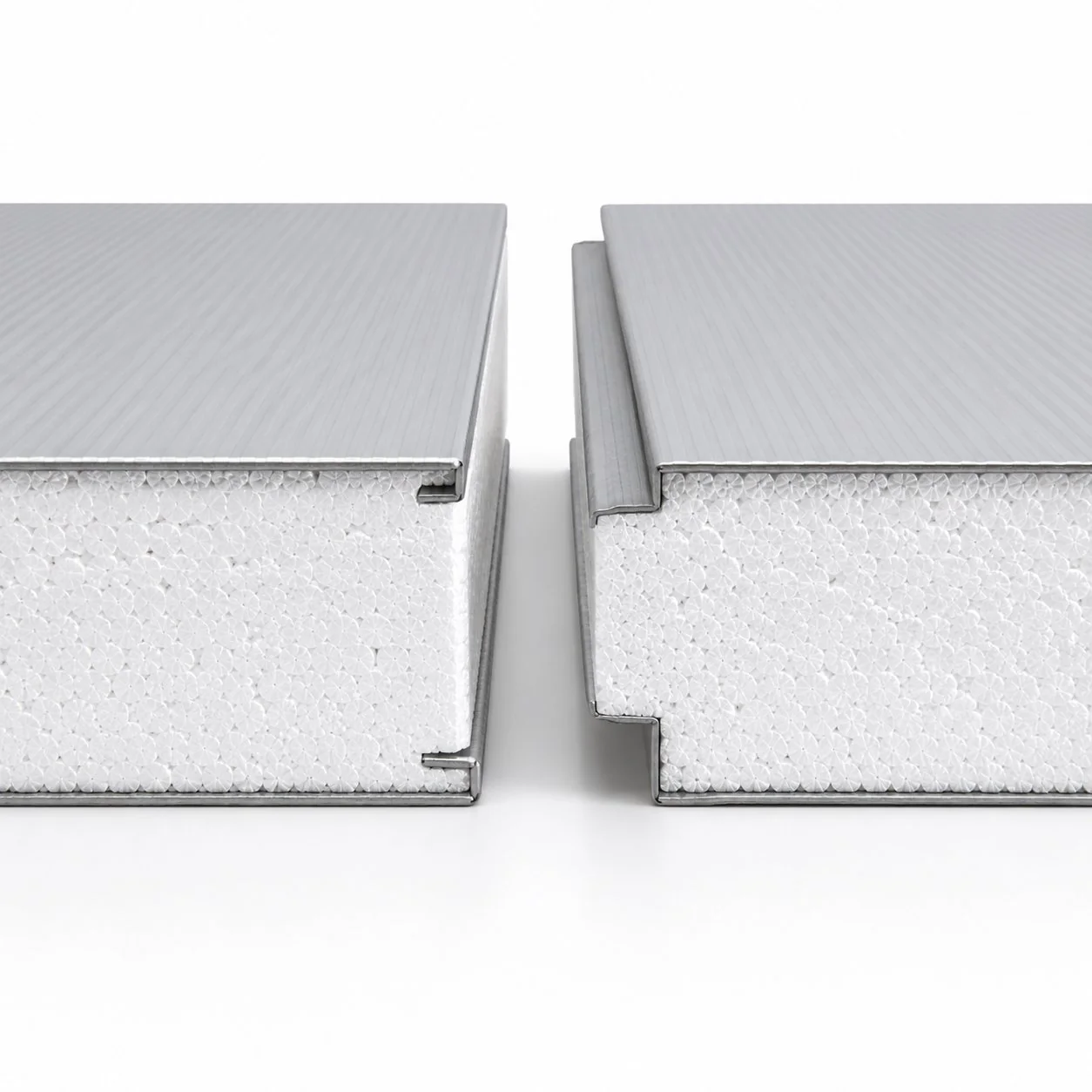
EPS Facade Panel
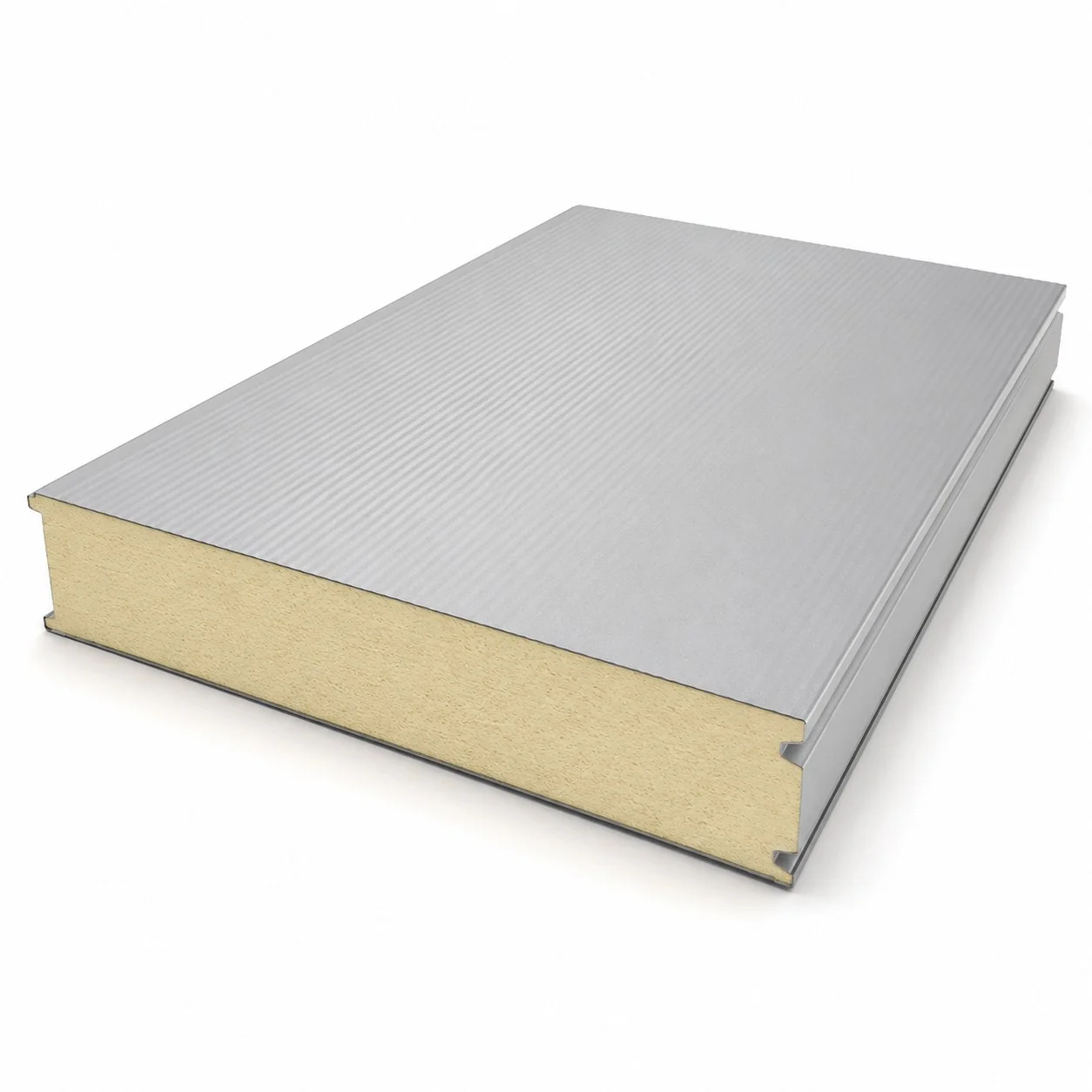
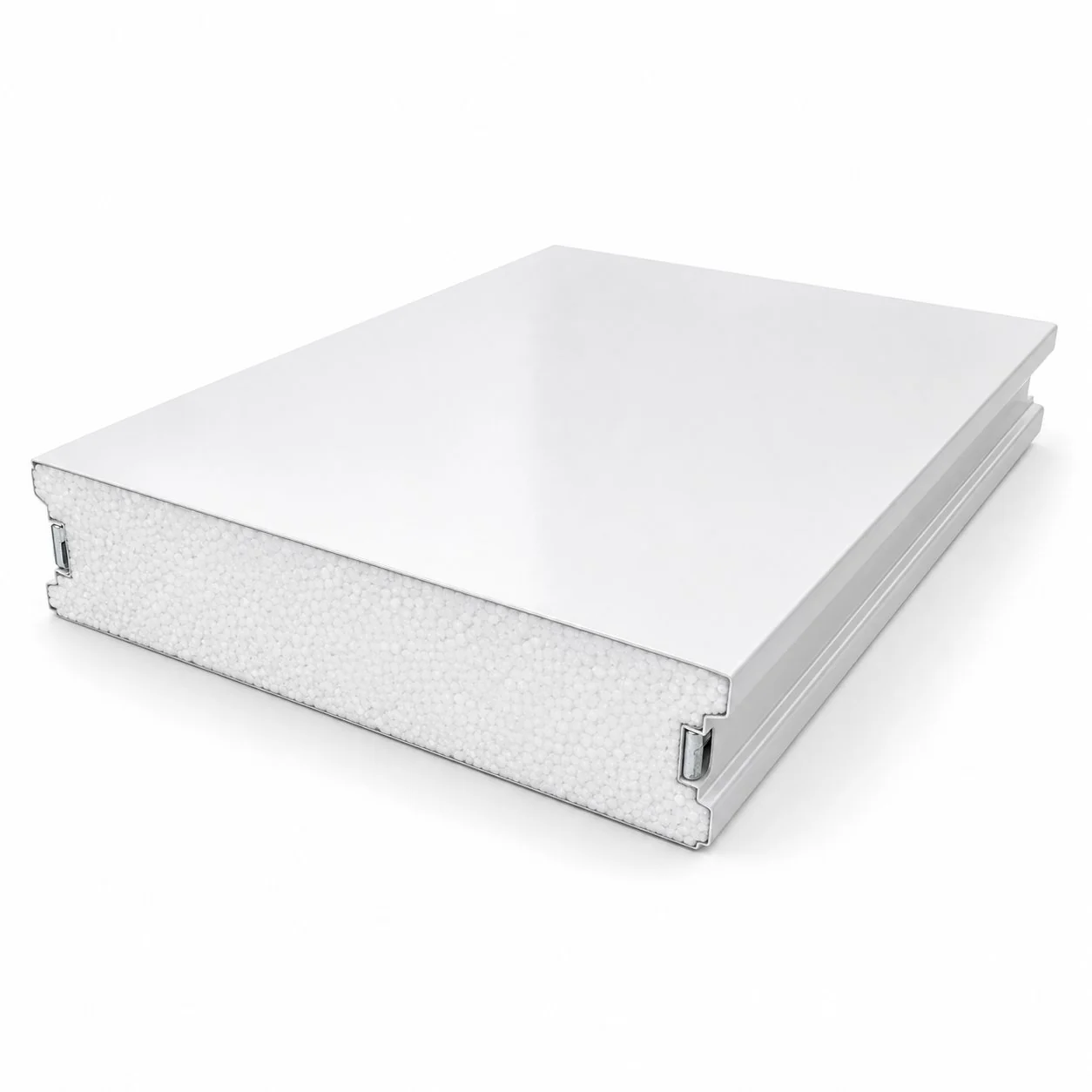
Budget-friendly EPS facade panel with expanded polystyrene core — delivering reliable thermal insulation at the lowest cost per square metre. The smart choice when your project needs maximum coverage on a controlled budget.
- Thermal Conductivity: 0.035 W/mK
- Thickness Range: 50 – 200 mm
- Fire Classification: Euroclass E (with fire-retardant EPS)
- Weight: Ultra-lightweight — lightest panel in our range
- Moisture Resistance: Closed-cell structure — does not absorb water
- Standards: EN 14509, CE Marked
Maximum Value, Minimum Cost
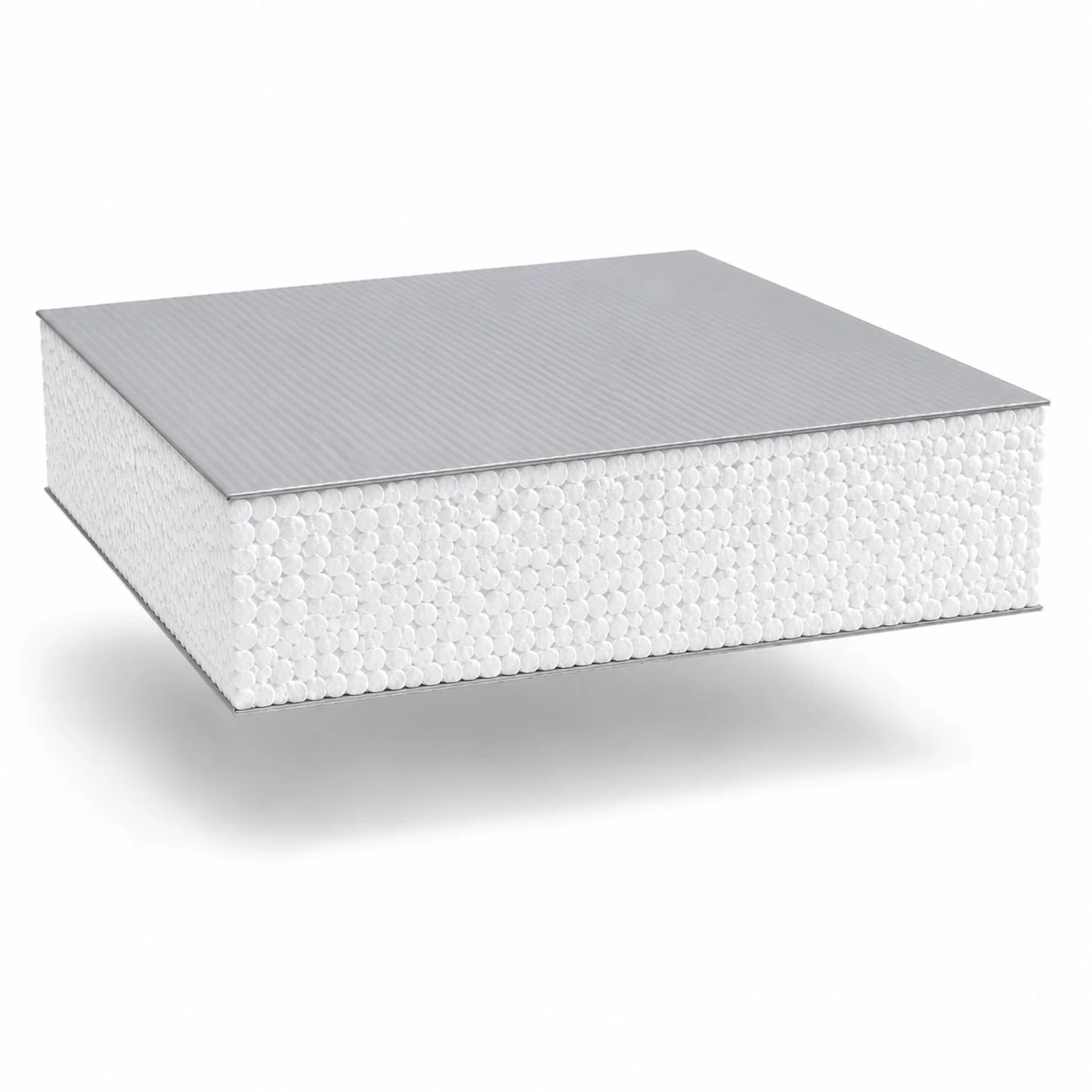
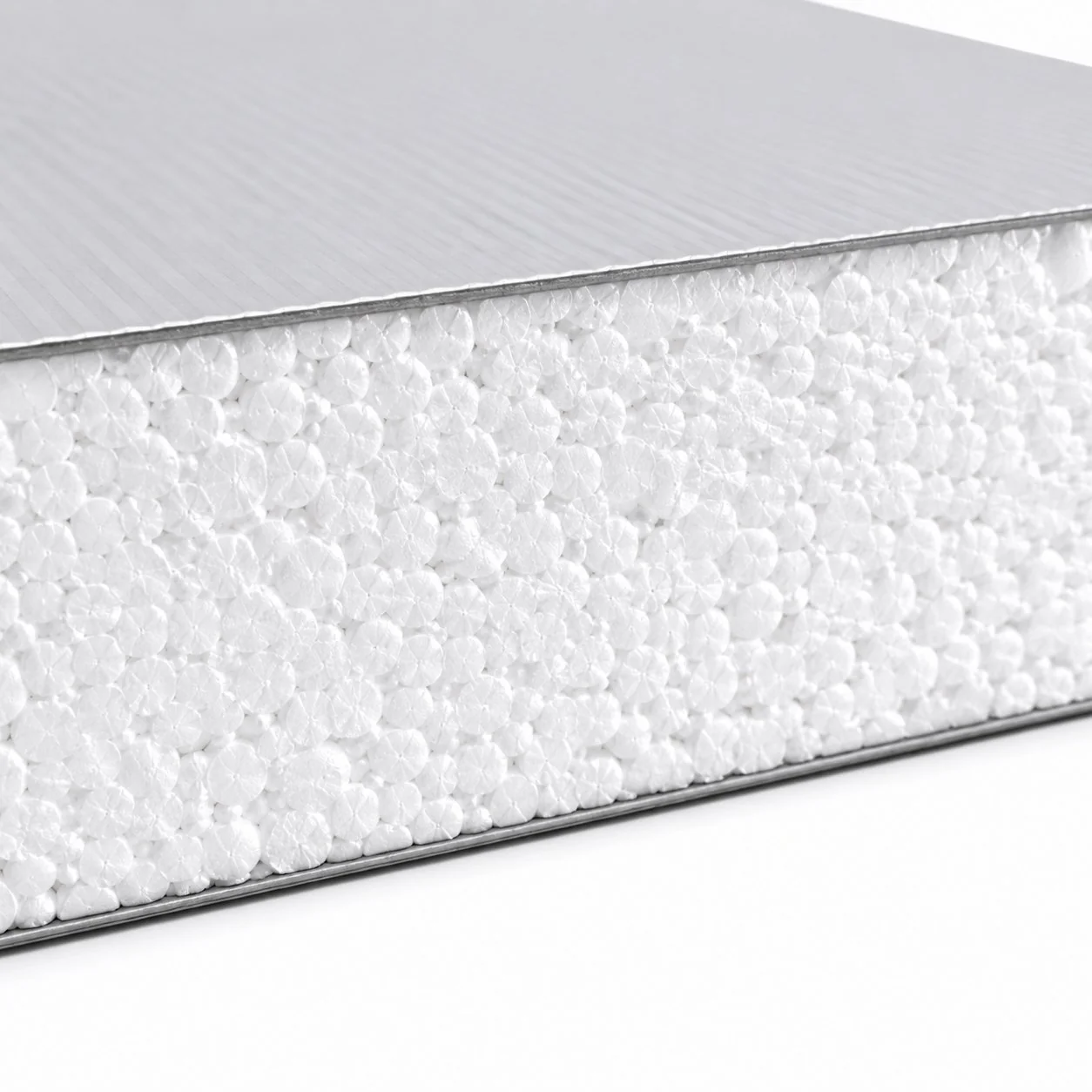
The EPS facade panel is Real Panel’s most cost-effective insulated cladding solution. Using an expanded polystyrene foam core bonded between pre-painted steel facings, EPS panels deliver dependable thermal insulation at a significantly lower price point than PUR, PIR, or rockwool alternatives.
EPS (expanded polystyrene) has been one of the most widely used insulation materials in the construction industry for decades. Its proven track record, consistent quality, and ultra-lightweight properties make it an ideal choice for projects where budget efficiency is the primary driver — without sacrificing the core benefits of sandwich panel construction: speed, durability, and thermal performance.
Key Benefits
- Lowest Cost Per m²: EPS panels are the most affordable option in our facade panel range. For large-area cladding on budget-conscious projects, no other panel type delivers more coverage per dollar.
- Ultra-Lightweight: EPS has the lowest density of any core material we offer (15–25 kg/m³). This reduces structural steel requirements, crane loads, and transportation costs — further savings on top of the lower panel price.
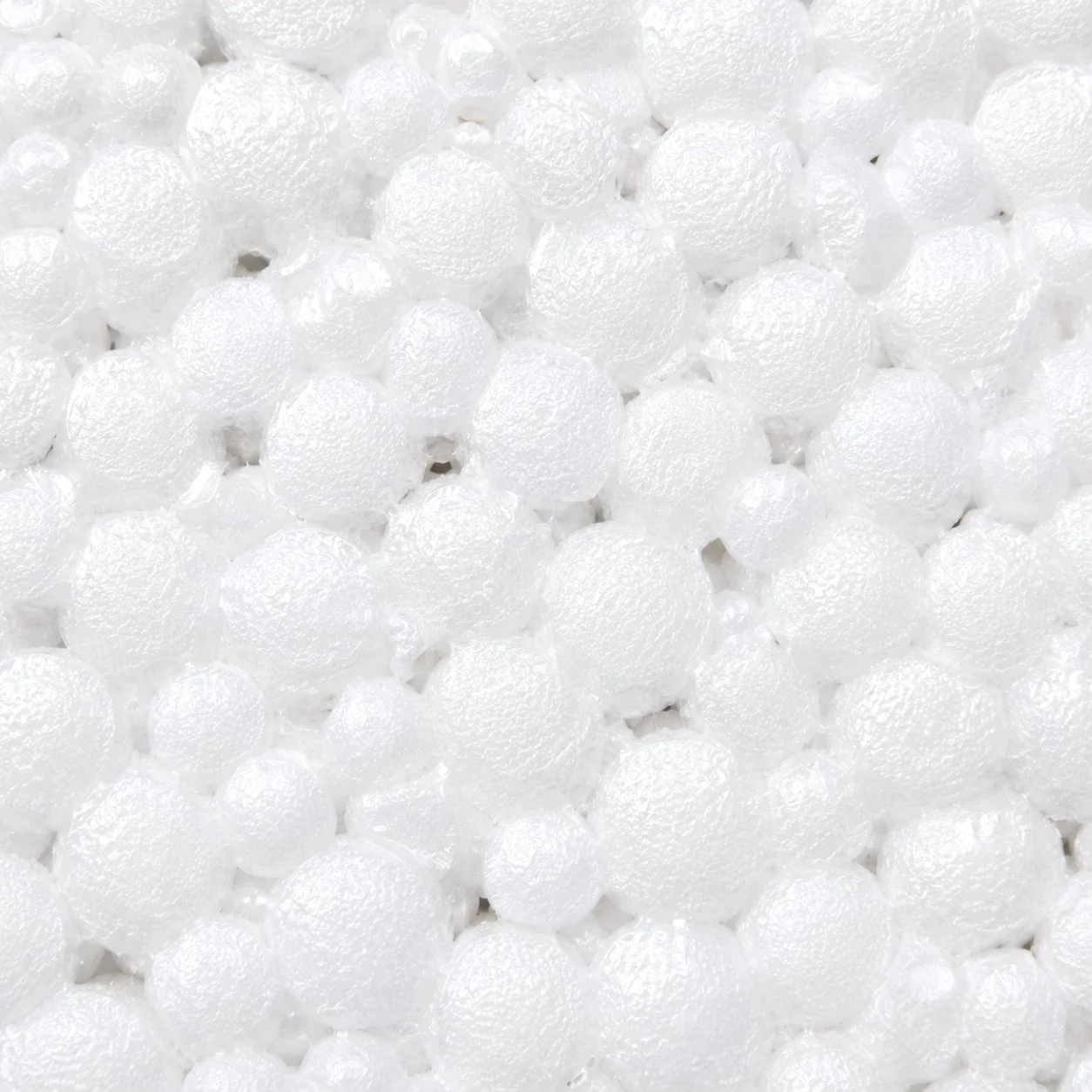
- Moisture Resistant: The closed-cell bead structure of EPS does not absorb water, making these panels suitable for humid environments and regions with heavy rainfall. Unlike rockwool, EPS maintains its insulation value even in damp conditions.
- Proven Durability: EPS has a 50+ year track record in construction. It does not degrade, settle, or lose thickness over time. Installed correctly, EPS facade panels maintain their thermal performance for the full building lifecycle.
- Easy to Handle: Low weight means faster installation, less manual handling strain, and the ability to use lighter lifting equipment on site.
- Dimensionally Stable: EPS does not expand, contract, or warp under normal temperature fluctuations. Panels maintain their flatness and joint alignment over time.
Manufactured on our automated production lines at our facility in Turkey, EPS facade panels are available for domestic delivery and export to Romania, Bulgaria, Georgia, Macedonia, and Kosovo.
Ideal Applications
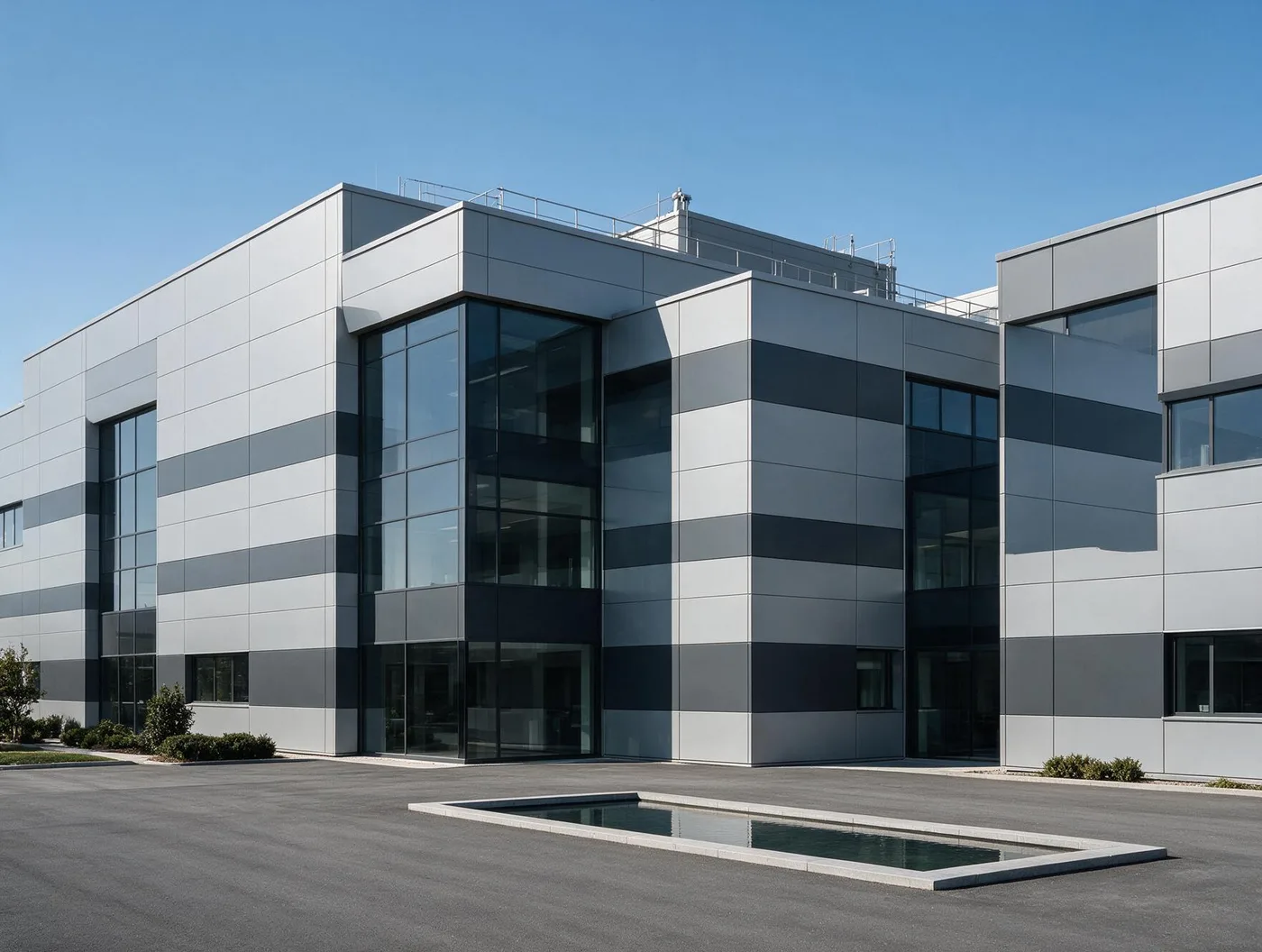
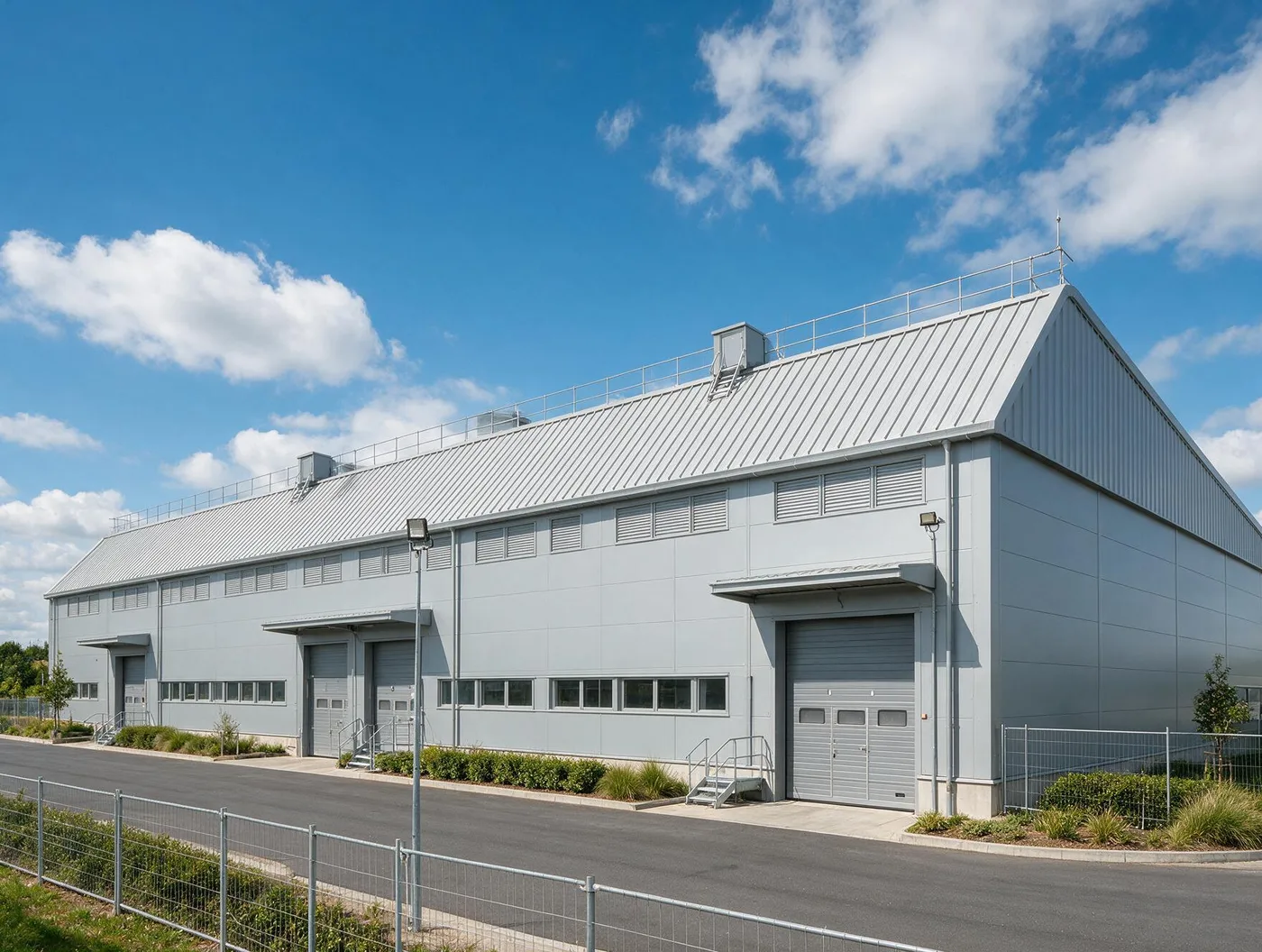
- Industrial Buildings — factories, workshops, and production halls where cost and speed are priorities
- Logistics & Warehousing — large distribution centers and storage facilities requiring maximum clad area
- Agriculture — livestock shelters, poultry houses, barns, crop storage buildings
- Temporary and semi-permanent structures — site offices, seasonal storage, exhibition halls
- Interior partition walls — where fire rating is less critical and cost matters most
- Multi-building developments — industrial parks and farm complexes where volume drives the budget equation
Not suitable for projects requiring B-class fire rating. For fire-critical applications, consider PUR (B-s2), PIR (B-s1), or rockwool (A1/A2) facade panels
Panel Specifications
| SPECIFICATION | VALUE |
| Core Material | Expanded polystyrene (EPS), fire-retardant grade |
| Core Density | 15–25 kg/m³ (customizable — higher density = better performance) |
| Thermal Conductivity (λ) | 0.035 W/mK (declared value per EN 14509) |
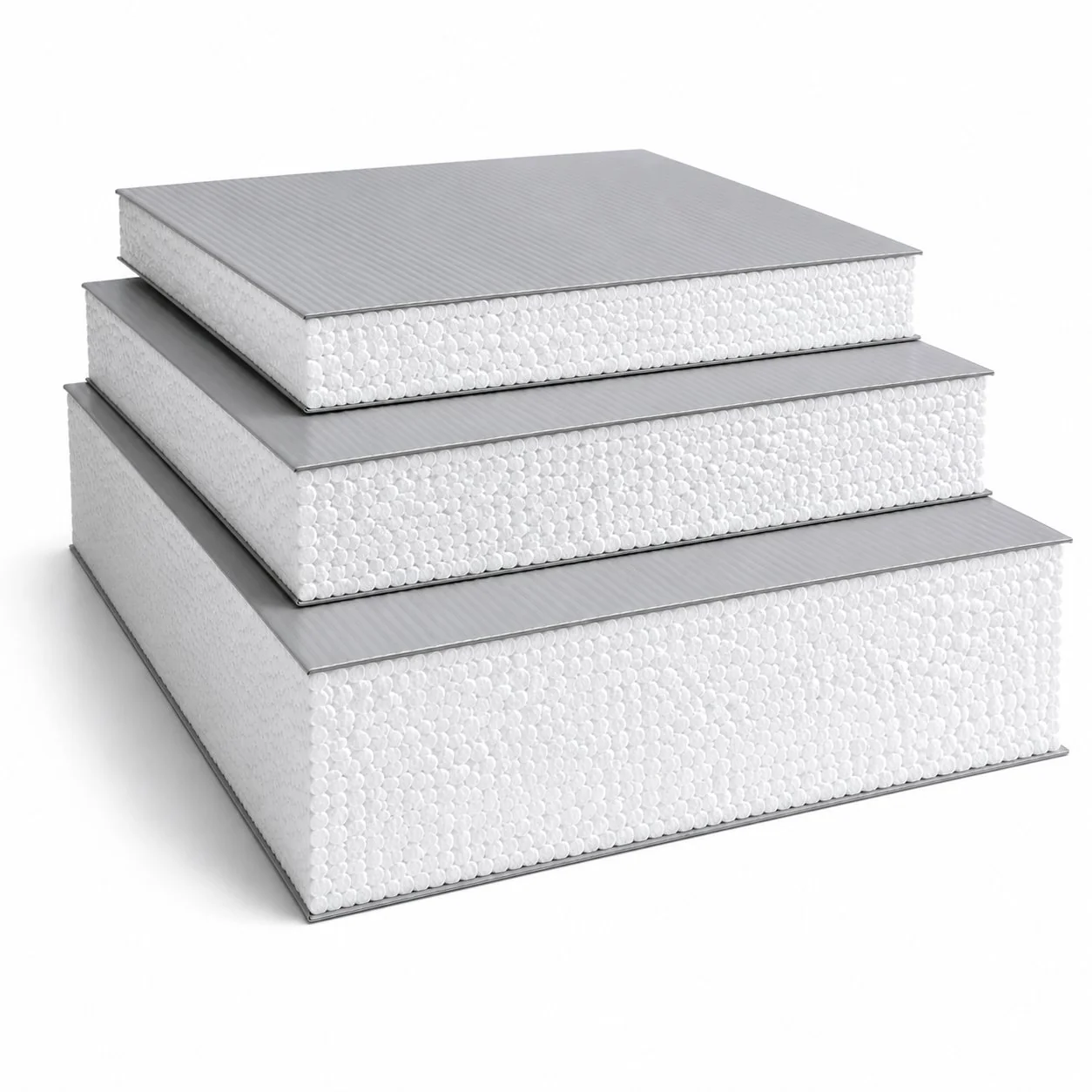
| Panel Thickness | 50 / 60 / 80 / 100 / 120 / 150 / 200 mm |
| Effective Width | 1000 mm (standard) / 1200 mm (available) |
| Maximum Length | Up to 12,000 mm (project-specific) |
| External Facing | Pre-painted galvanized steel (PPGI), 0.4–0.6 mm |
| Internal Facing | Pre-painted galvanized steel (PPGI), 0.4–0.5 mm |
| Coating Options | Polyester (25 µm), PVDF (25 µm) |
| Joint System | Tongue & groove (concealed fix) / Visible fix |
| Fire Reaction | Euroclass E (per EN 13501-1) |
| Weight (approx.) | ~8–9 kg/m² (at 80 mm) — lightest in range |
| Service Temperature | -40°C to +70°C (continuous) |
| Moisture Absorption | <2% by volume (closed-cell structure) |
| Color Options | Full RAL color range |
| Standards | EN 14509, CE Marked, ISO 9001 |
U-Value by Panel Thickness
Lower U-value = better insulation:
| SPECIFICATION | VALUE |
| 50 mm | U = 0.66 W/m²K |
| 60 mm | U = 0.55 W/m²K |
| 80 mm | U = 0.42 W/m²K |
| 100 mm | U = 0.34 W/m²K |
| 120 mm | U = 0.28 W/m²K |
| 150 mm | U = 0.23 W/m²K |
| 200 mm | U = 0.17 W/m²K |
For project-specific calculations: U-Value Calculator.
EPS Density Options
EPS performance scales with core density. Higher density provides better compressive strength and marginally improved thermal performance:
| SPECIFICATION | VALUE |
| 15 kg/m³ (Standard) | Basic insulation, interior partitions, non-load-bearing applications |
| 18 kg/m³ | General-purpose facade cladding, most common for wall panels |
| 20 kg/m³ | Enhanced performance for wind-exposed facades and taller buildings |
| 25 kg/m³ (High Density) | Maximum compressive strength, suitable for impact-prone areas and heavy-duty storage |
Understanding the EPS Cost Advantage
EPS facade panels deliver the lowest total installed cost among all sandwich panel types. The savings come from three sources:
- Lower Material Cost: EPS raw material (expandable polystyrene beads) is significantly cheaper than PUR/PIR chemicals or rockwool. This translates directly to a lower panel price per m².
- Reduced Structural Steel: EPS panels weigh 20–30% less than PUR equivalents and up to 60% less than rockwool. Lighter panels mean lighter purlins, columns, and foundations — saving on structural steel costs.
- Faster Installation: Low weight allows panels to be handled by smaller crews and lighter equipment. More panels installed per shift = lower labor cost per m².
When EPS Makes Sense
EPS is the optimal choice when your project matches these conditions:
- Budget is the primary constraint, and you need to maximize clad area within a fixed budget
- Fire regulations permit Euroclass E (many industrial and agricultural buildings qualify)
- The building is single-story or low-rise, reducing wind-load structural demands
- Speed of construction is critical — EPS panels are the fastest to install due to low weight
- Moisture resistance is important — EPS outperforms rockwool in wet conditions
When to Upgrade to PUR or PIR
Consider upgrading from EPS to PUR or PIR when:
- Building regulations require B-class fire rating (EPS is Euroclass E)
- Thinner panels are needed to save interior floor space (PUR achieves same U-value at 60% thickness)
- Insurance requirements mandate fire-enhanced cladding
- The building is multi-story, public-access, or near a property boundary
Compare all options in the Compare Panels tab, or use our Panel Selector for a personalized recommendation.
How does the EPS facade panel compare?
| Feature | EPS | PUR | PIR | Rockwool |
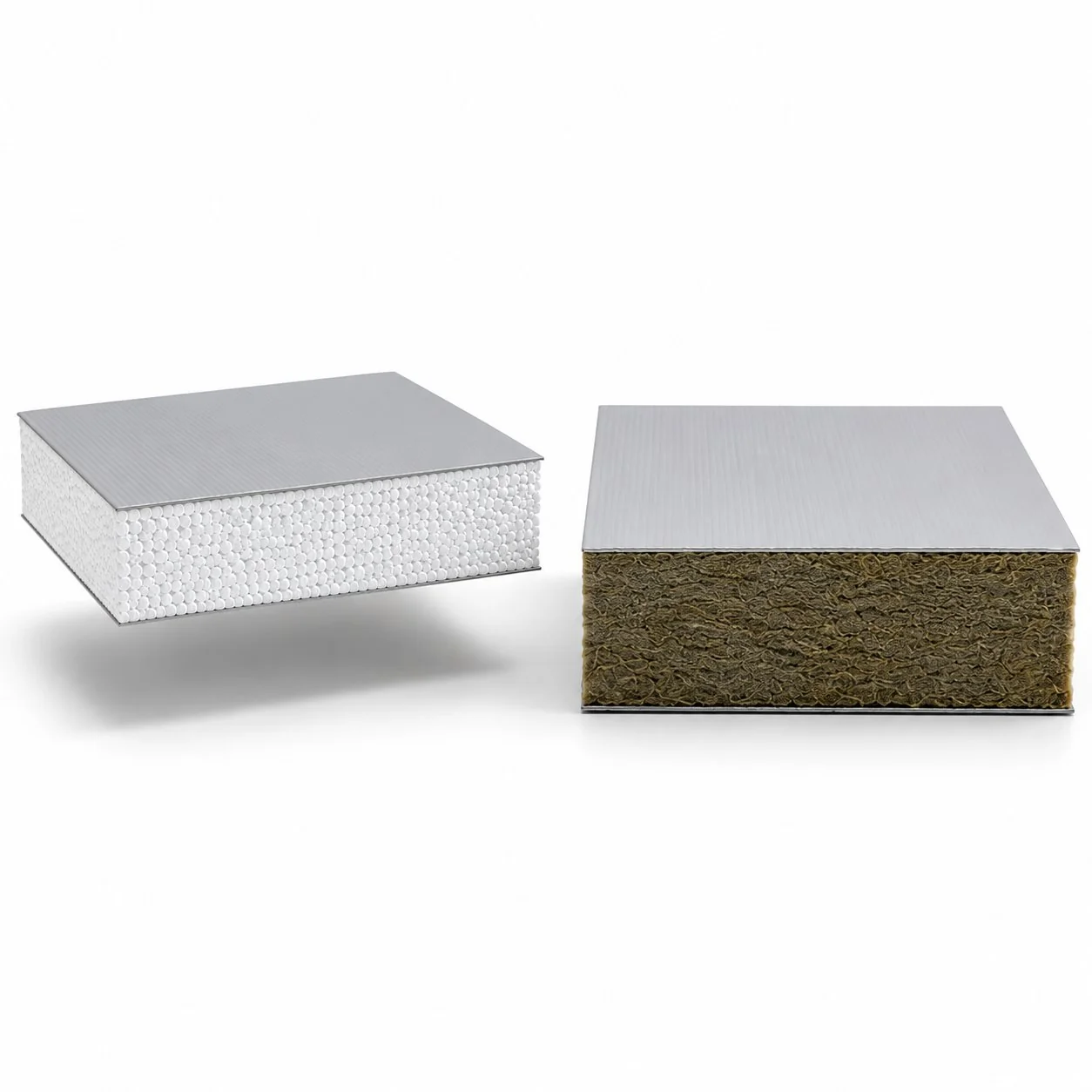
| Thermal (λ) | 0.035 | 0.022 | 0.023 | 0.040 |
| Fire Class | E | B-s2, d0 | B-s1, d0 | A1 / A2 |
| Weight | Very Low | Low | Low | High |
| Cost | $ | $$ | $$$ | $$$$ |
| Moisture | Resistant | Good | Good | Absorbs (treated) |
| Best For | Budget builds | All-round | Fire zones | Non-combustible |
Thickness Equivalence
Because EPS has a higher lambda value (0.035) than PUR (0.022), you need a thicker EPS panel to match the same U-value:
| SPECIFICATION | VALUE |
| Target U = 0.43 | PUR: 50 mm | EPS: 80 mm |
| Target U = 0.28 | PUR: 80 mm | EPS: 120 mm |
| Target U = 0.22 | PUR: 100 mm | EPS: 150 mm |
Even with thicker panels, EPS typically remains cheaper due to the lower material cost. The trade-off is additional wall depth and slightly more structural load.
Alternatives: PUR Facade · PIR Facade · Rockwool Facade · Fibercement Facade
Certifications
- EN 14509: Self-supporting double skin metal faced insulating panels.
- CE Marking: Full compliance for European markets.
- EN 13501-1: Fire reaction — Euroclass E (fire-retardant grade EPS).
- EN 13163: Thermal insulation products for buildings — factory made EPS.
- ISO 9001: Manufacturing quality management.
All certificates: Quality & Certificates.
Is EPS a good insulation material for buildings?
Yes. EPS has been used in construction insulation for over 60 years worldwide. Its closed-cell structure provides consistent thermal resistance, it does not absorb moisture, and it maintains its insulation value throughout the building’s lifecycle. While its lambda value (0.035) is higher than PUR (0.022), it compensates with significantly lower cost.
What is the fire rating of EPS facade panels?
Standard Real Panel EPS facade panels use fire-retardant grade EPS and achieve Euroclass E per EN 13501-1. This is suitable for many industrial, agricultural, and storage buildings. For projects requiring B-class or higher fire ratings, choose PUR (B-s2), PIR (B-s1), or rockwool (A1/A2) panels instead.
How much cheaper is EPS compared to PUR?
EPS panels typically cost 25–40% less than equivalent PUR panels on a per-m² basis, depending on thickness and order volume. When you factor in reduced structural steel and faster installation, total project savings can be even higher. Contact our sales team for a detailed cost comparison for your specific project.
Can EPS panels be used for cold storage?
EPS panels can be used for moderate temperature-controlled environments, but for true cold storage (below 0°C), we recommend our dedicated cold room panels with enhanced vapor barrier and airtight cam-lock joints.
What thicknesses are available?
EPS facade panels are available from 50 mm to 200 mm. Unlike PUR/PIR, EPS is not available in 30 mm or 40 mm thicknesses, as these would provide insufficient thermal performance for facade applications.
Is EPS affected by moisture?
No. EPS has a closed-cell structure that absorbs less than 2% water by volume, even when submerged. This makes it more moisture-resistant than rockwool and suitable for humid climates and buildings with condensation risk.
Do you export EPS panels?
Yes. We export to Romania, Bulgaria, Georgia, Macedonia, and Kosovo. Request a quote or visit Export Markets.