

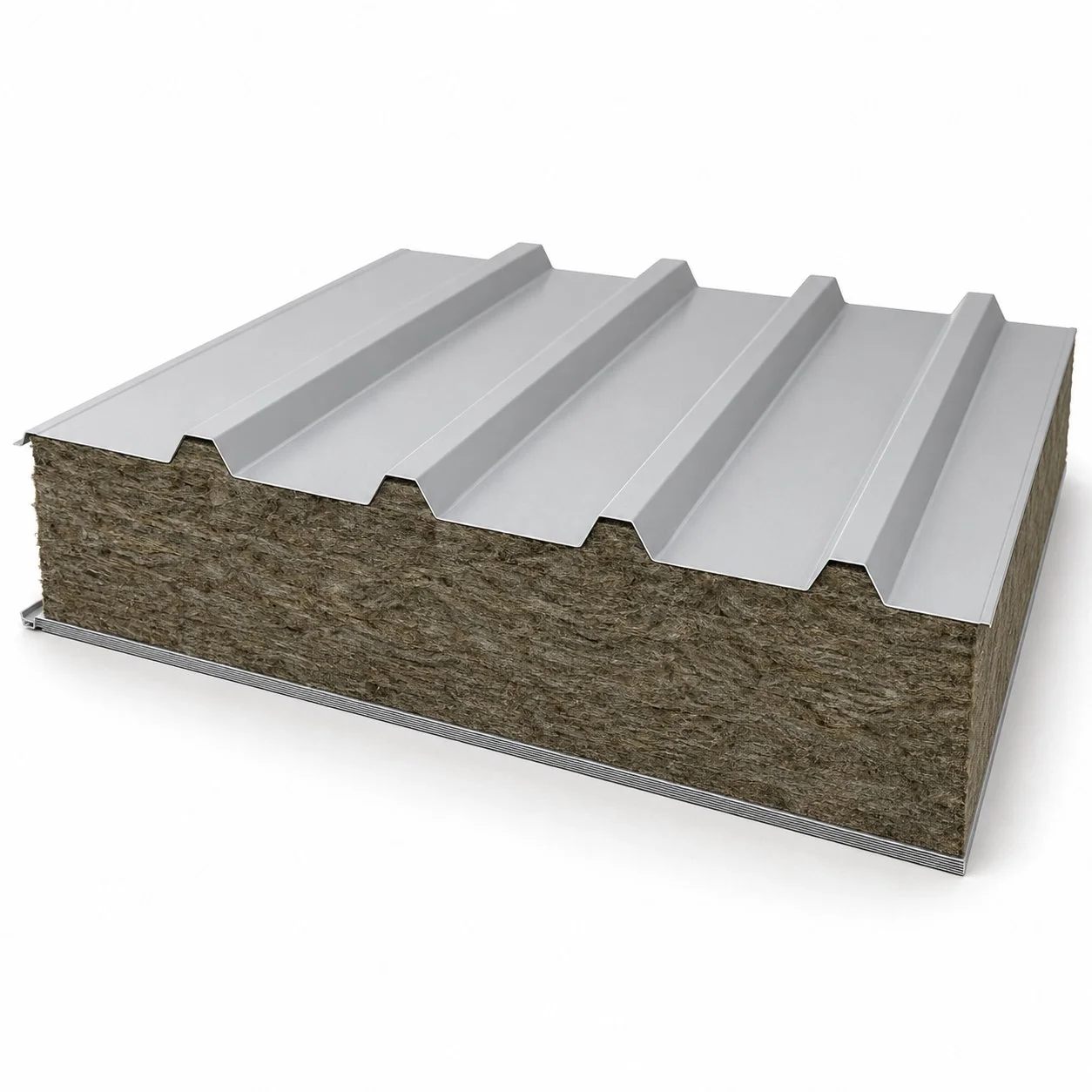
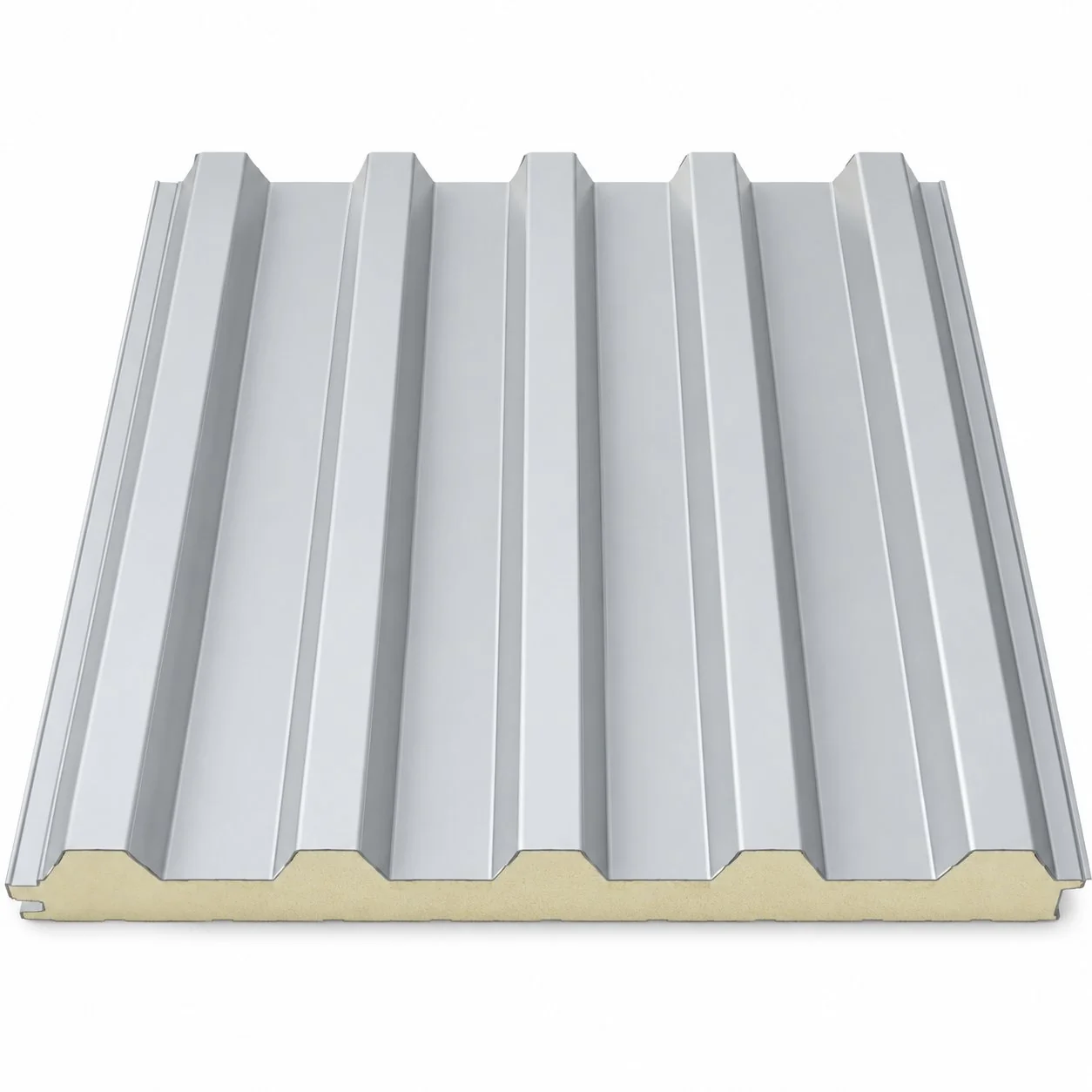
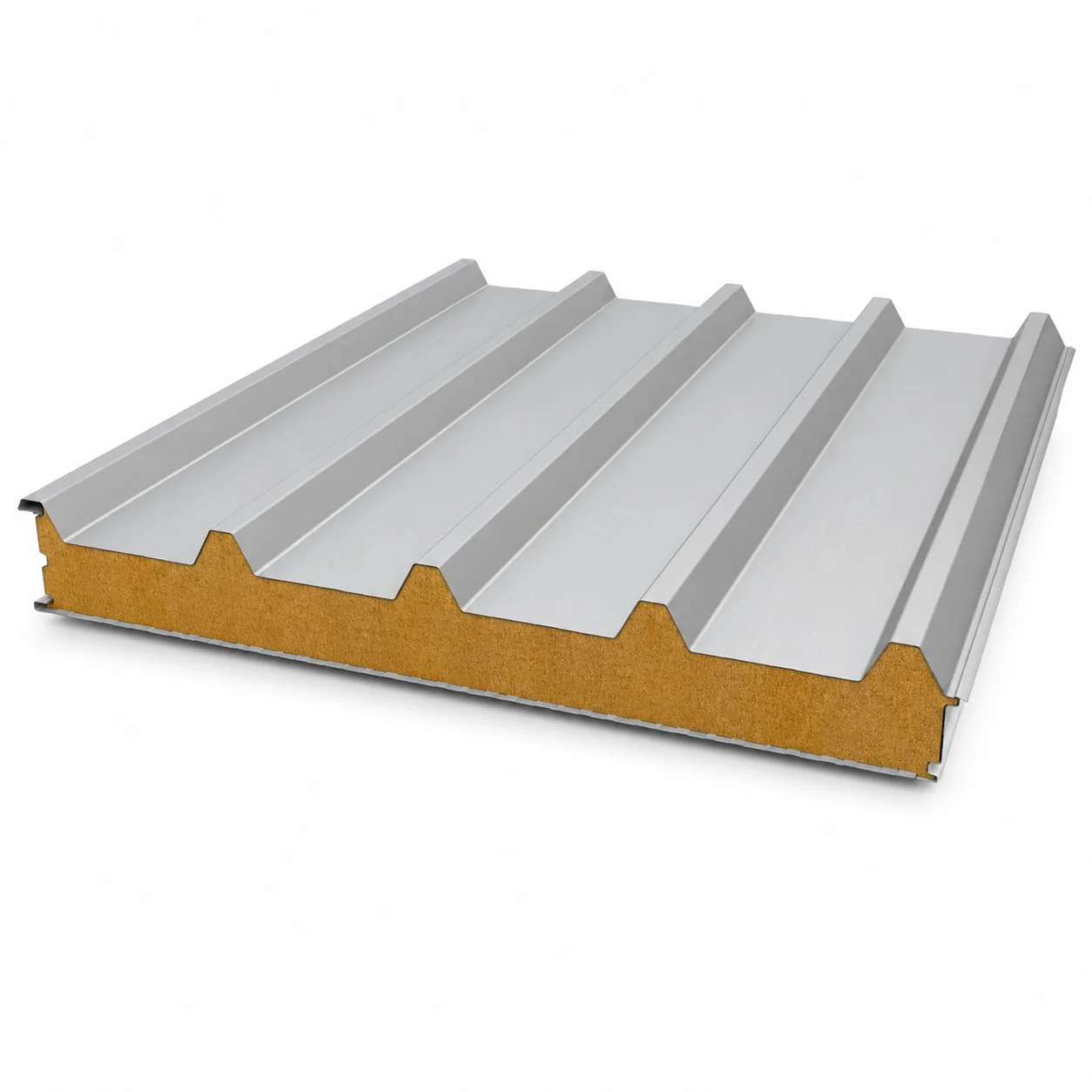
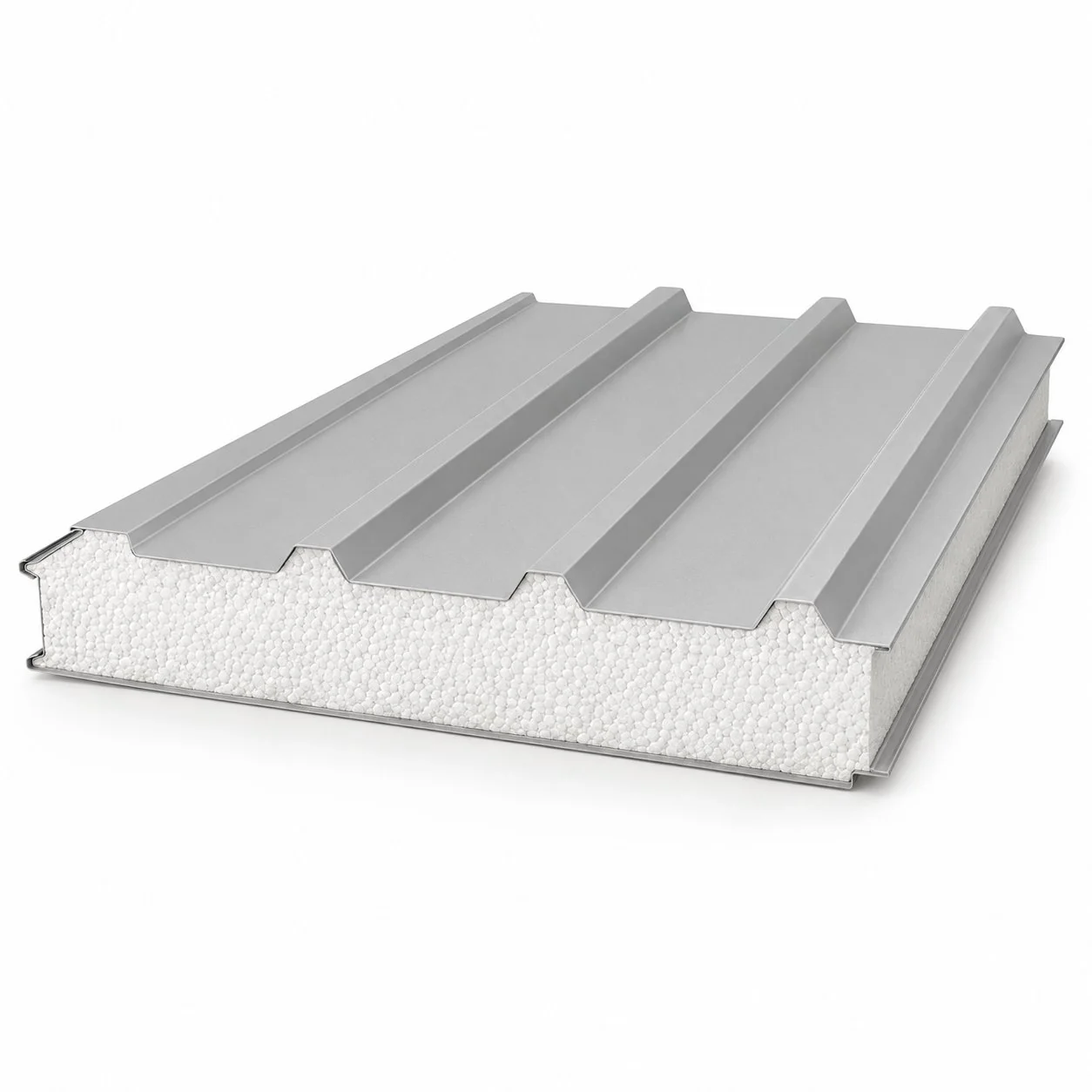
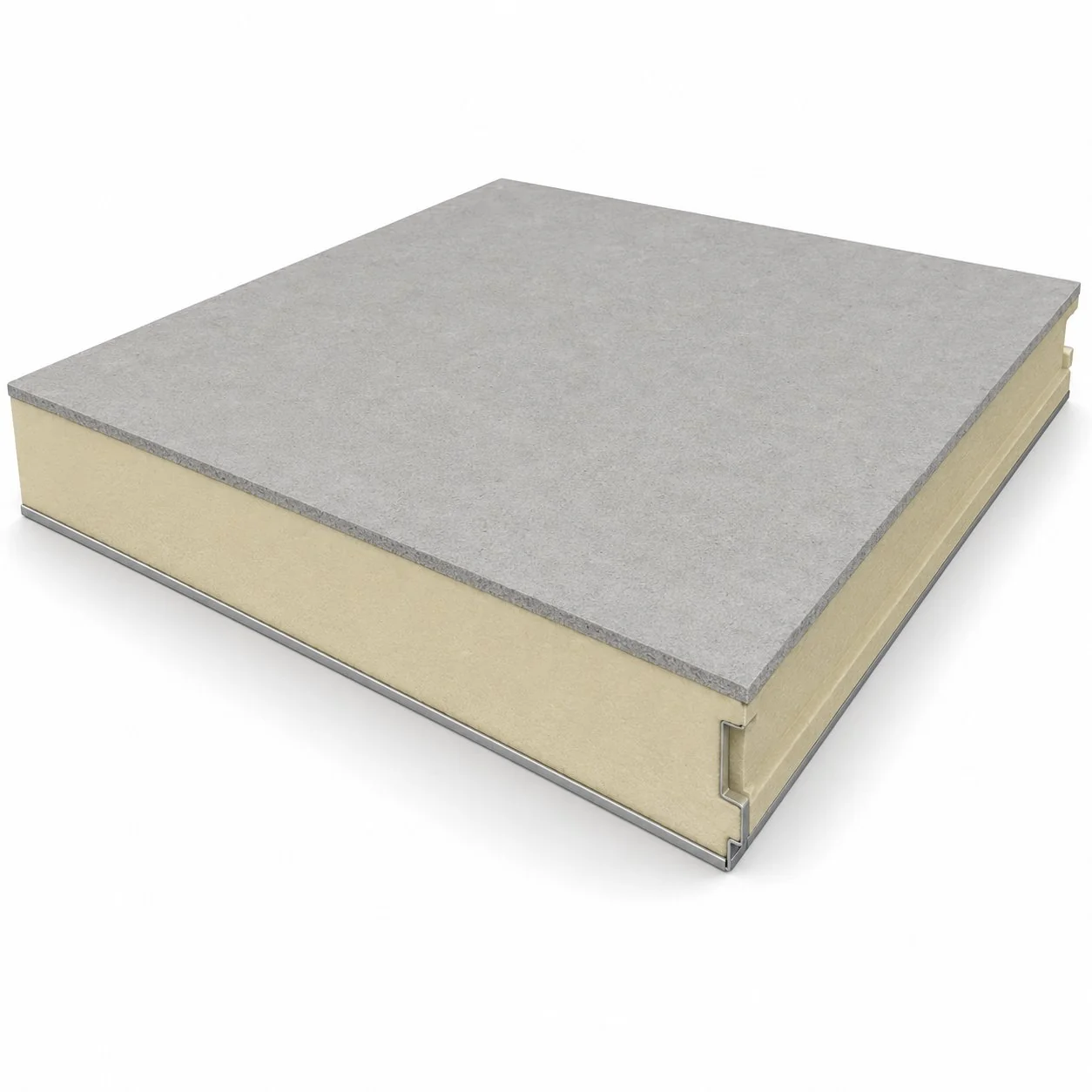
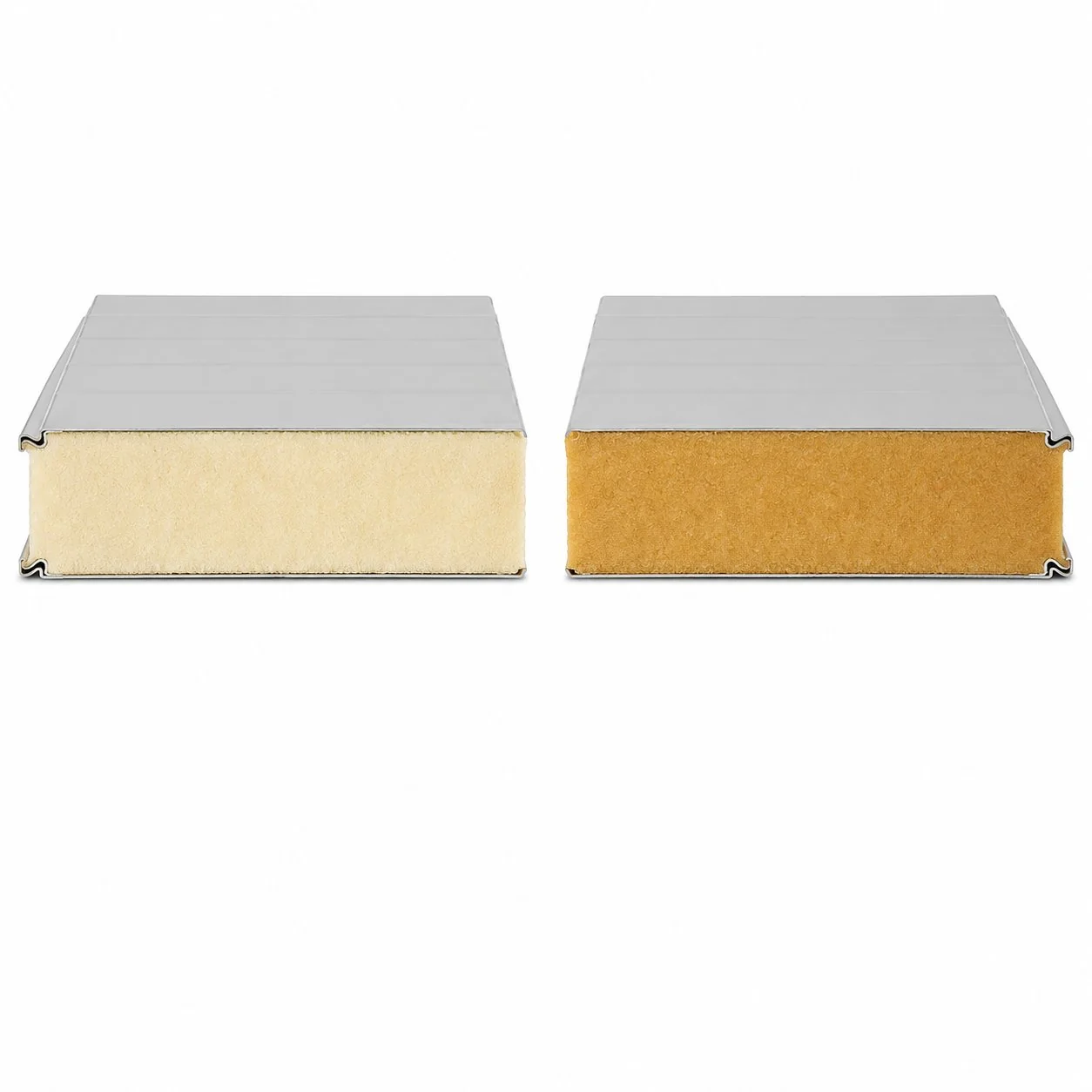
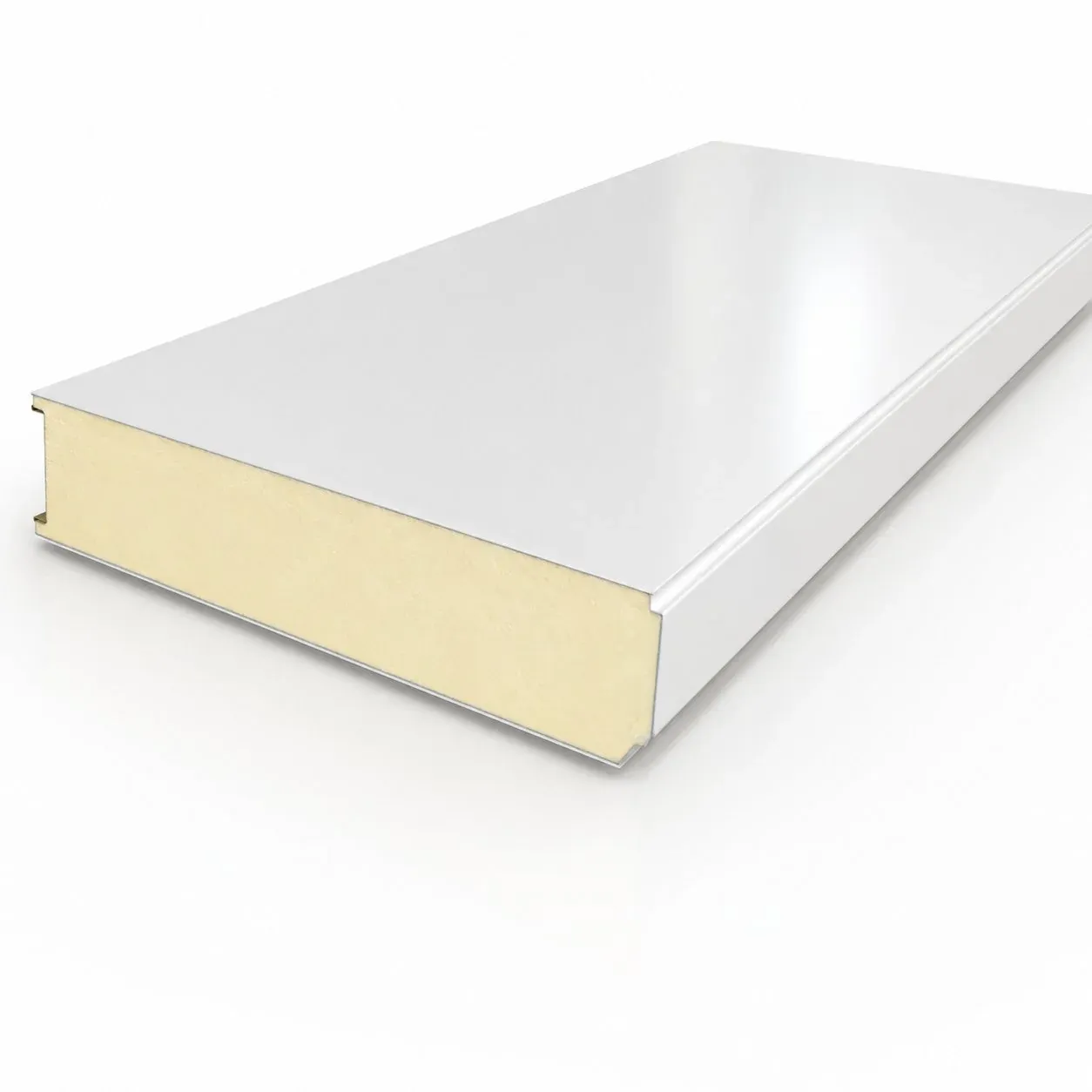
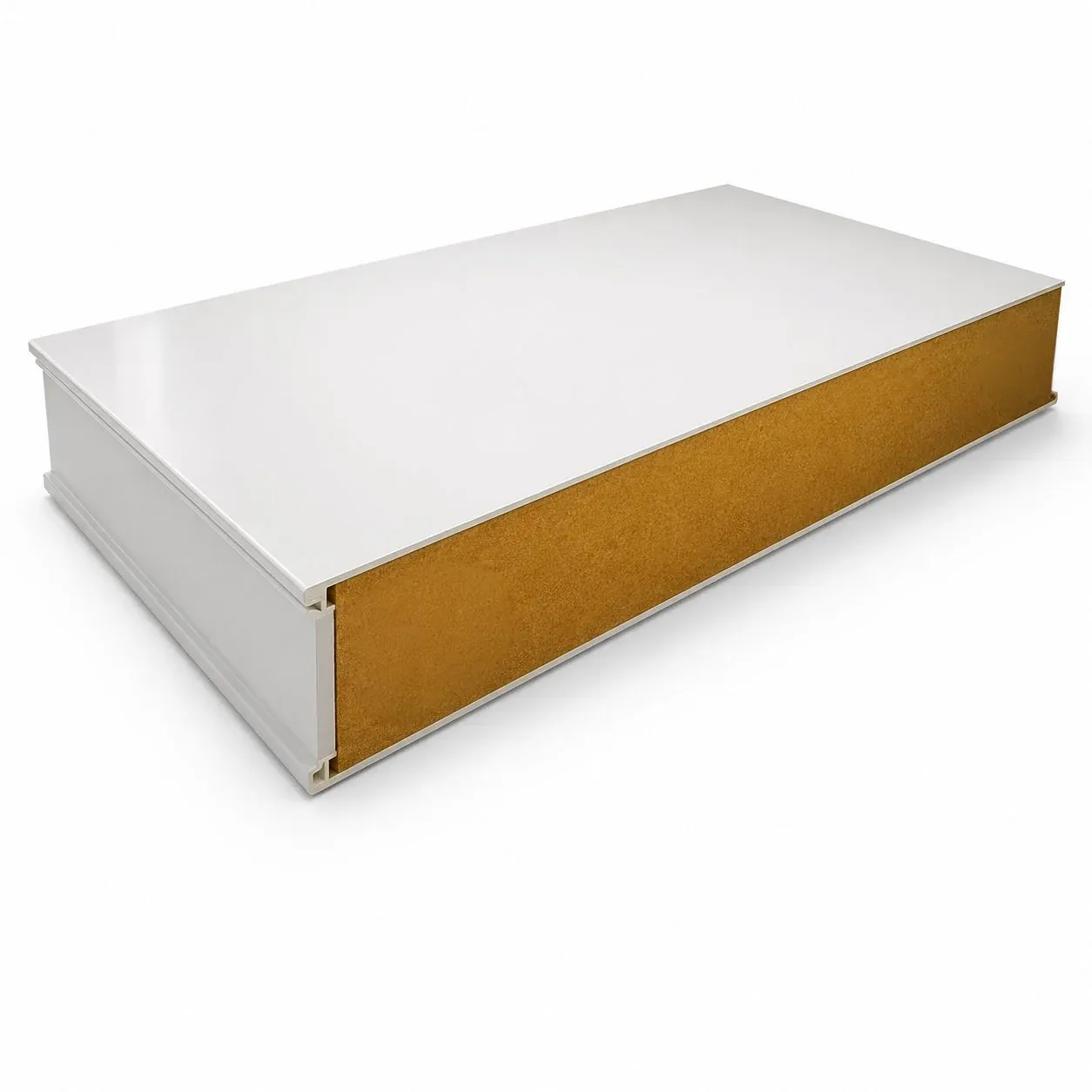
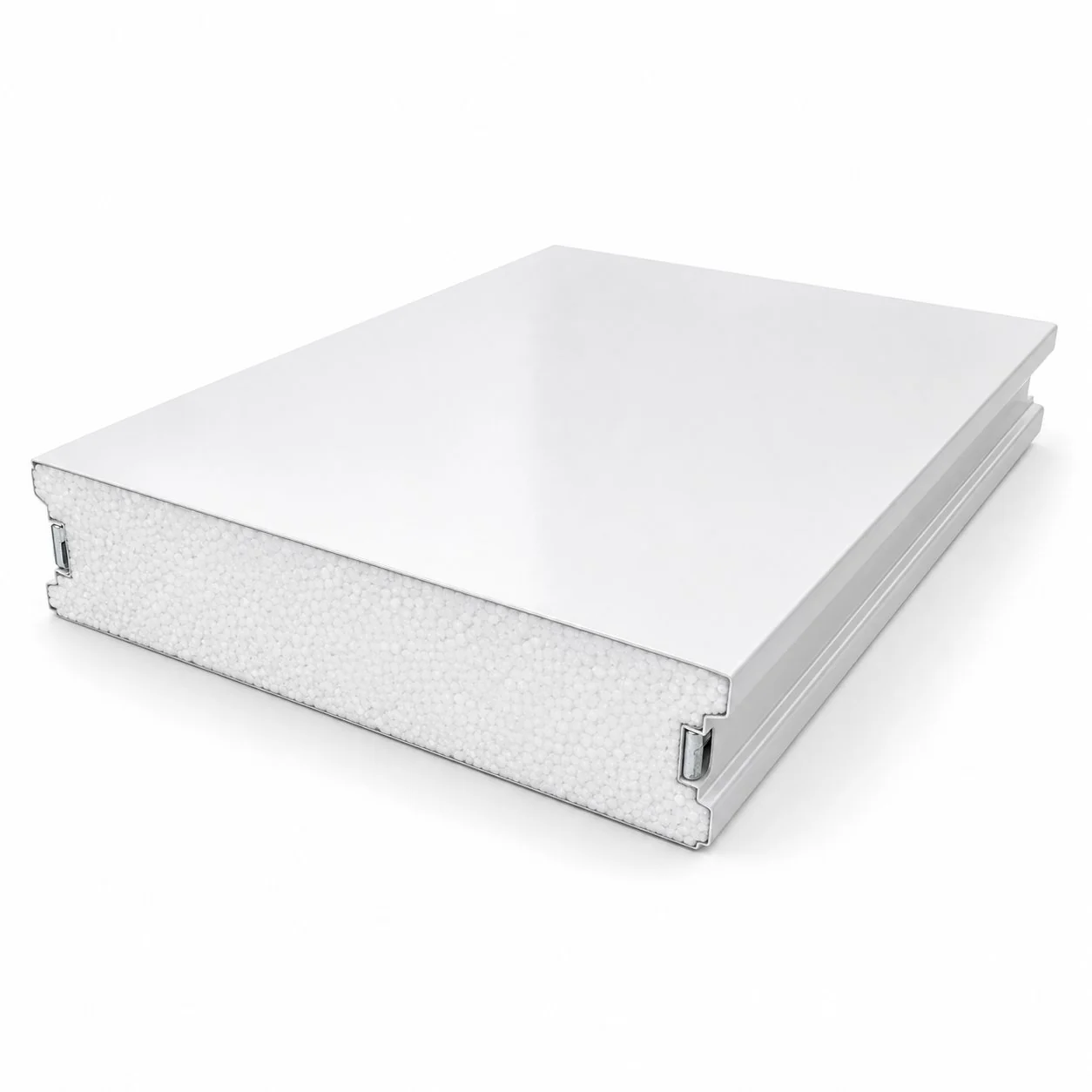
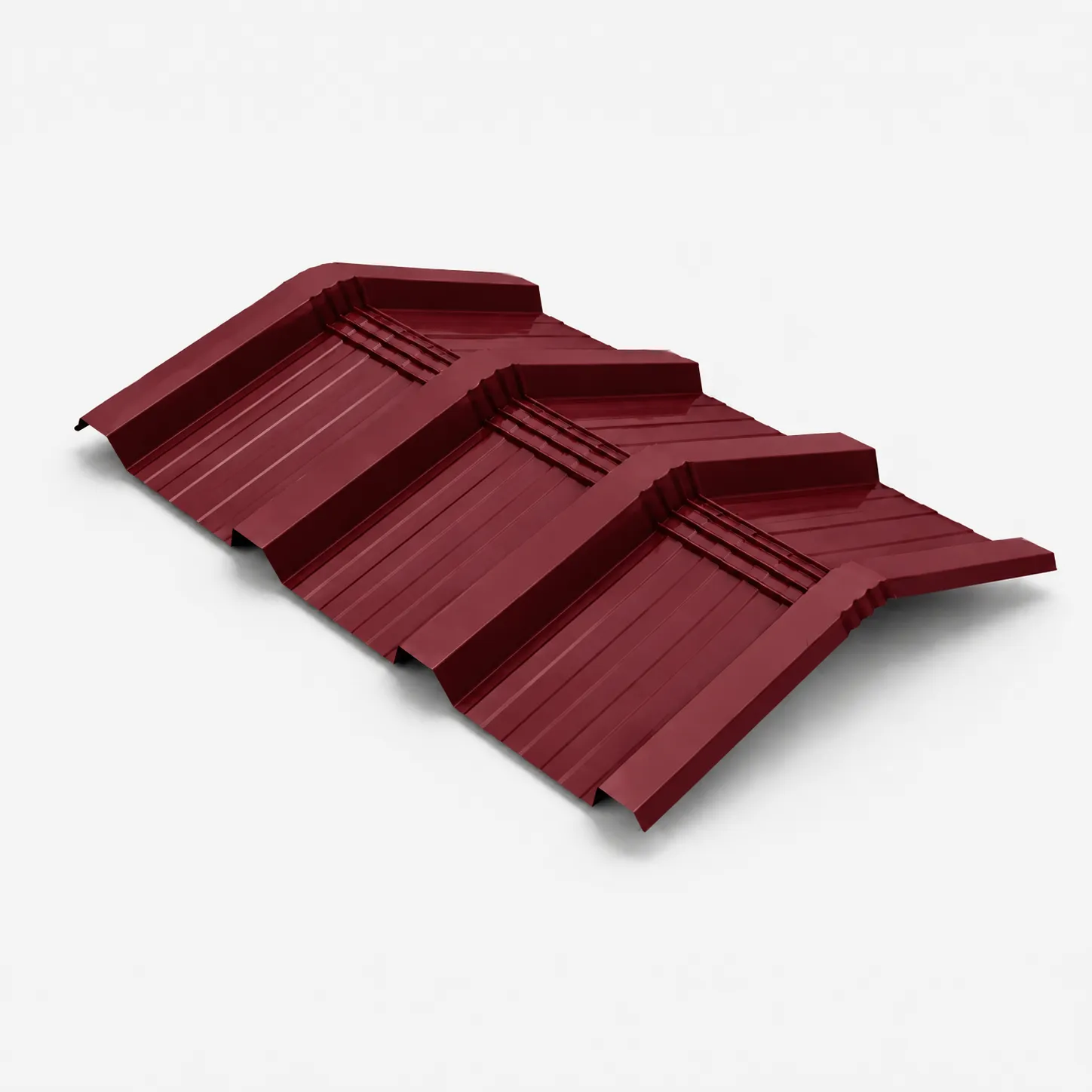
Polyurethane (PUR) Facade Panel
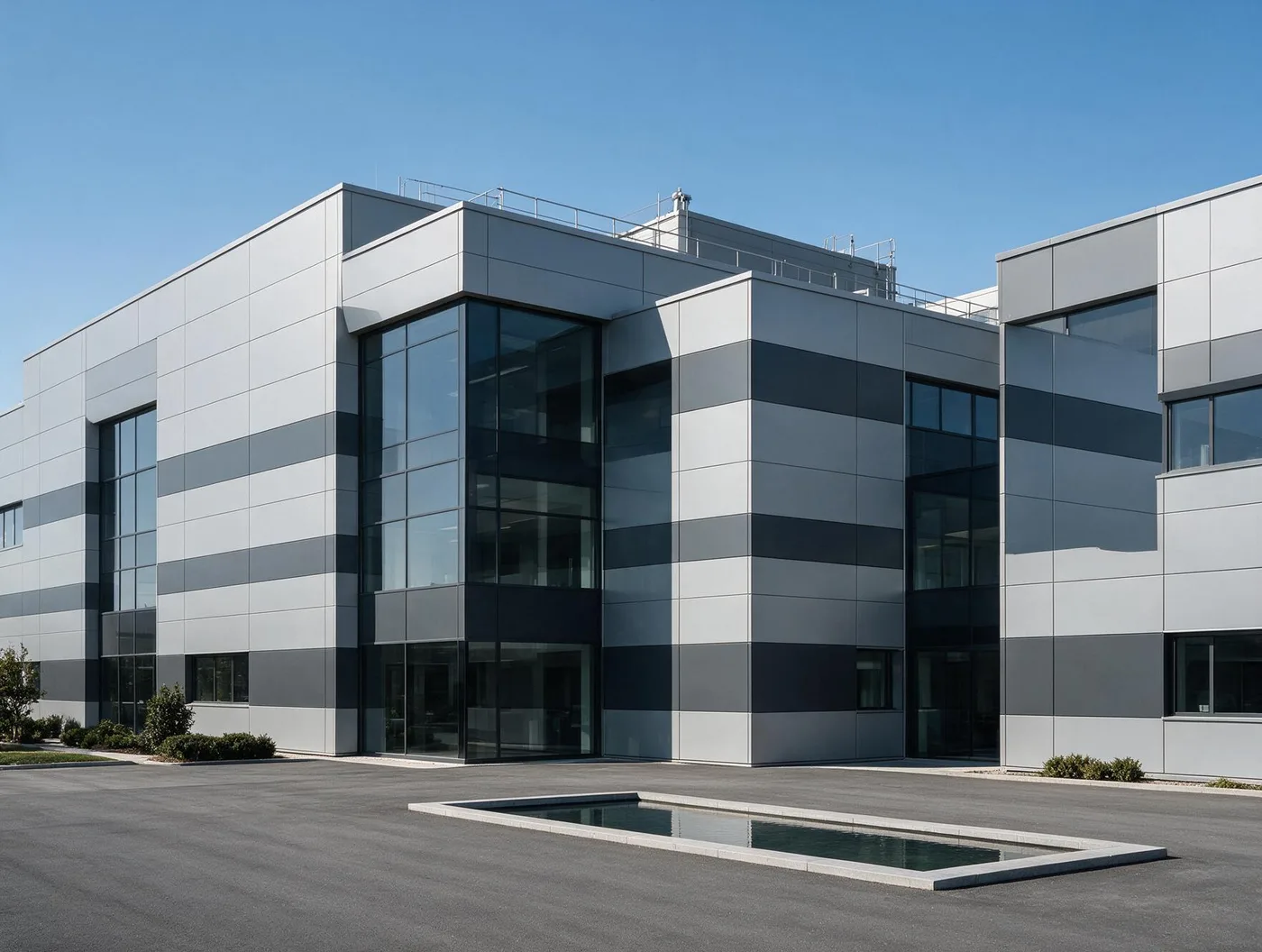
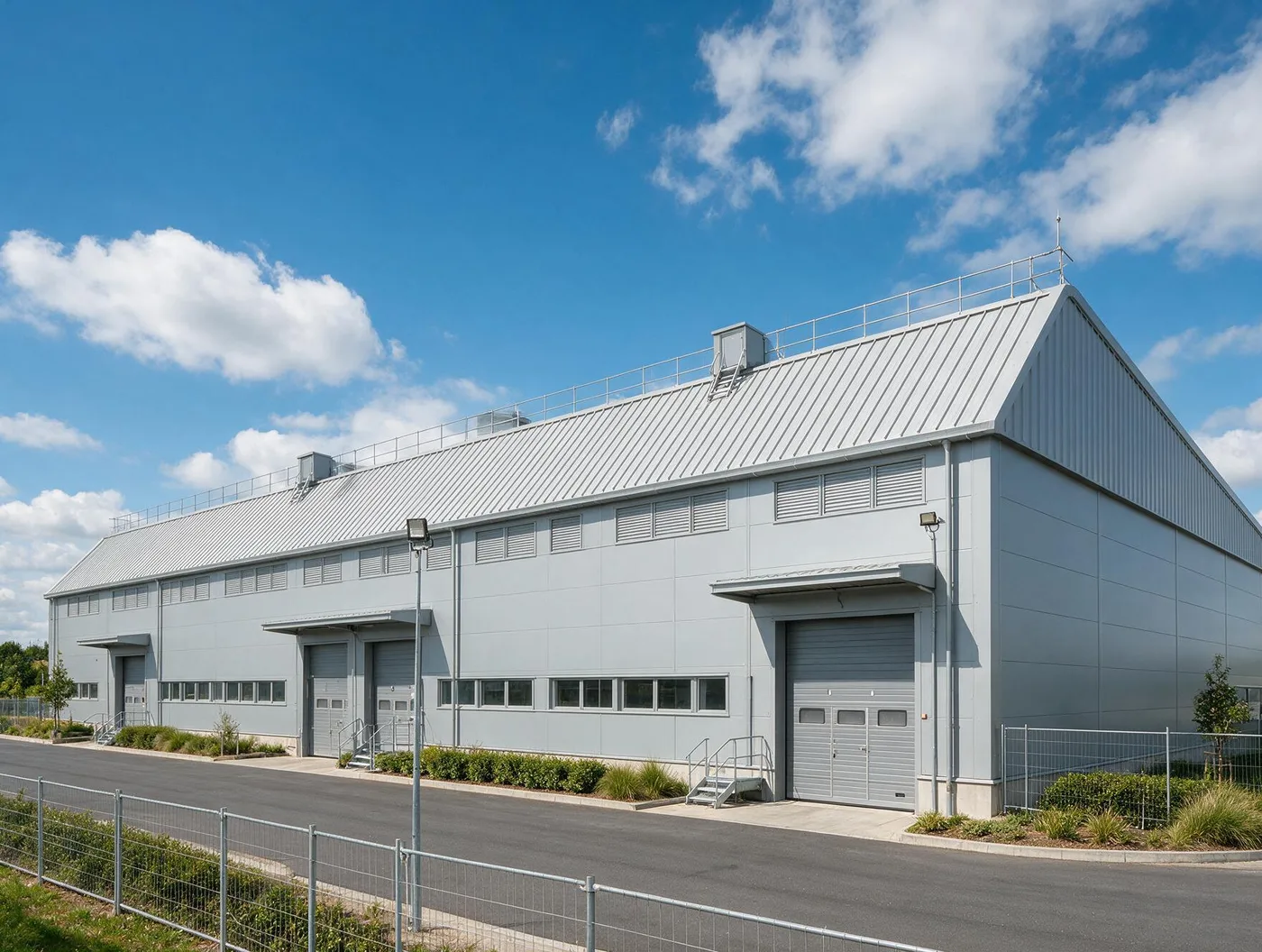
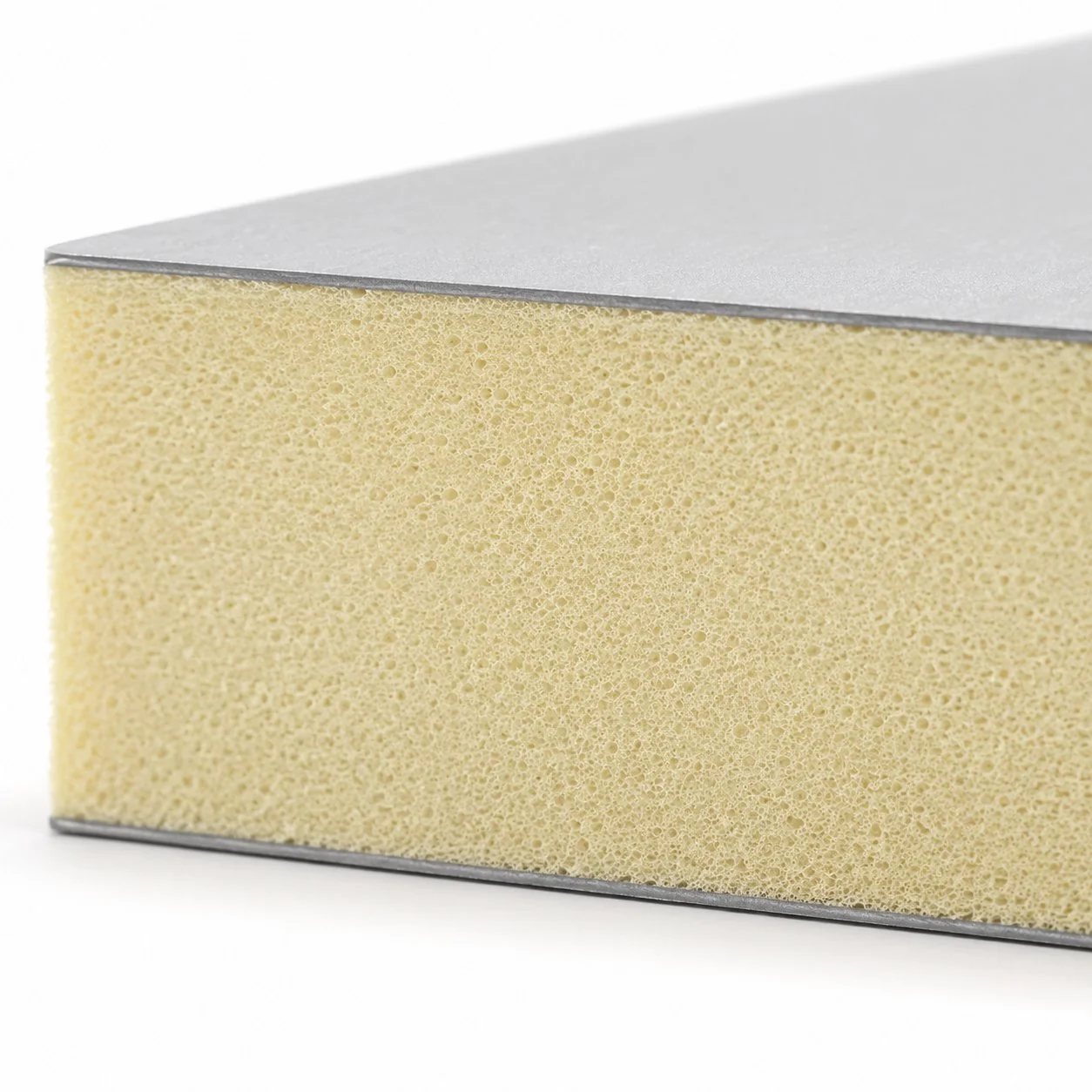
High-performance polyurethane facade panel with rigid PUR core for superior thermal insulation. Ideal for industrial, commercial, logistics, and agricultural building envelopes.
• Thermal Conductivity: 0.022 W/mK — best-in-class insulation
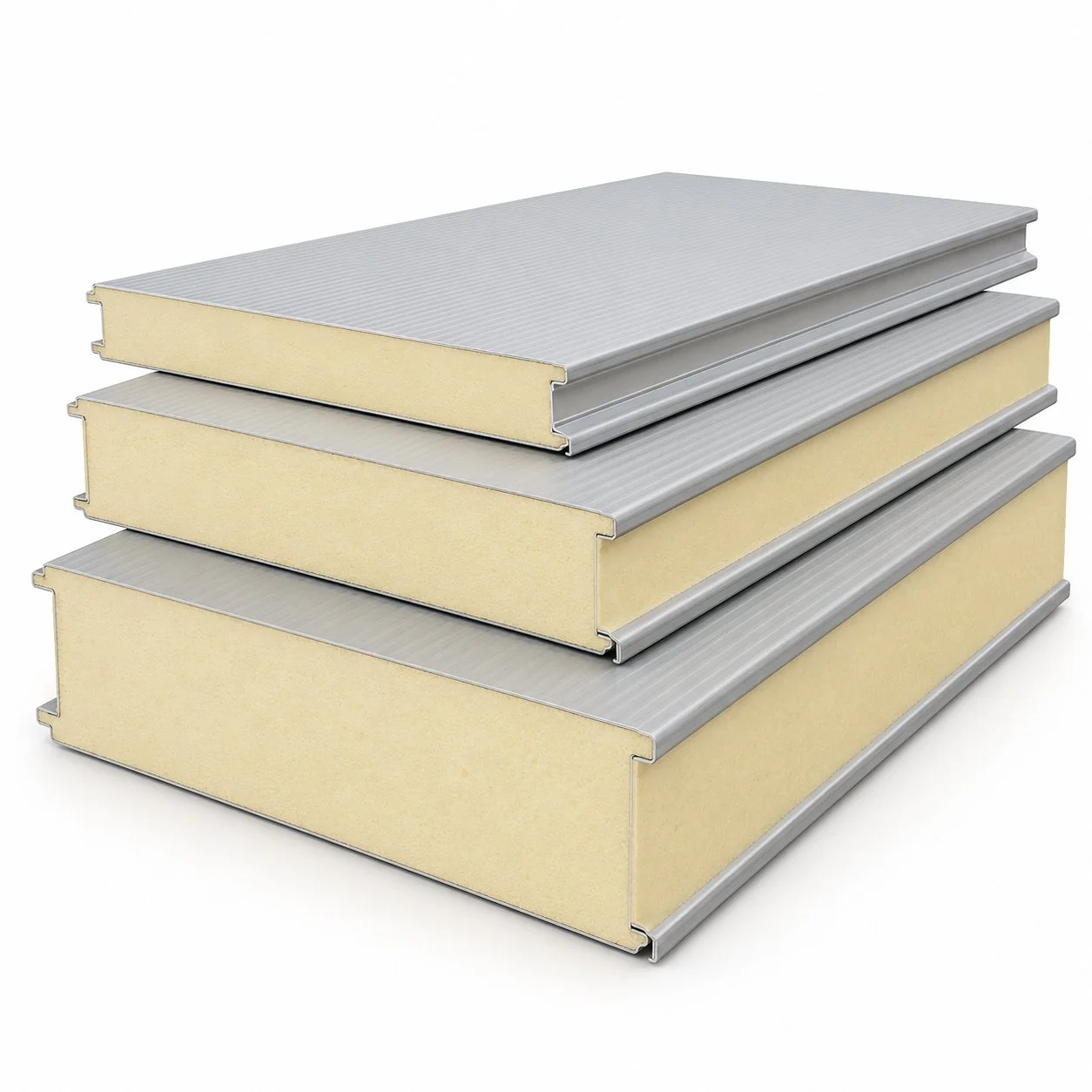
• Thickness Range: 30 – 200 mm
• Fire Classification: B-s2, d0 (Euroclass)
• Facings: Pre-painted galvanized steel (PPGI)
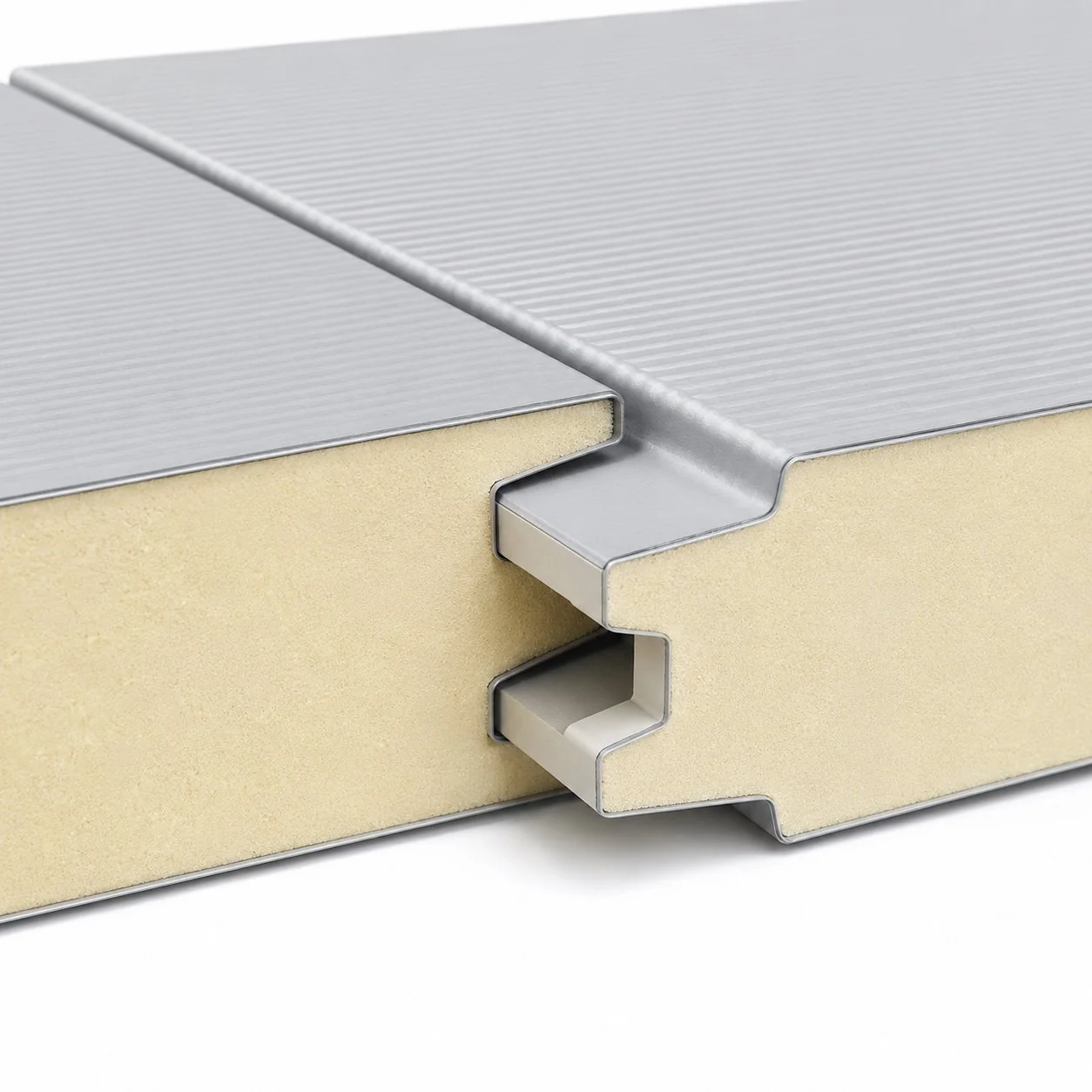
• Joint System: Concealed fix (tongue & groove) or visible fix
• Standards: EN 14509, CE Marked
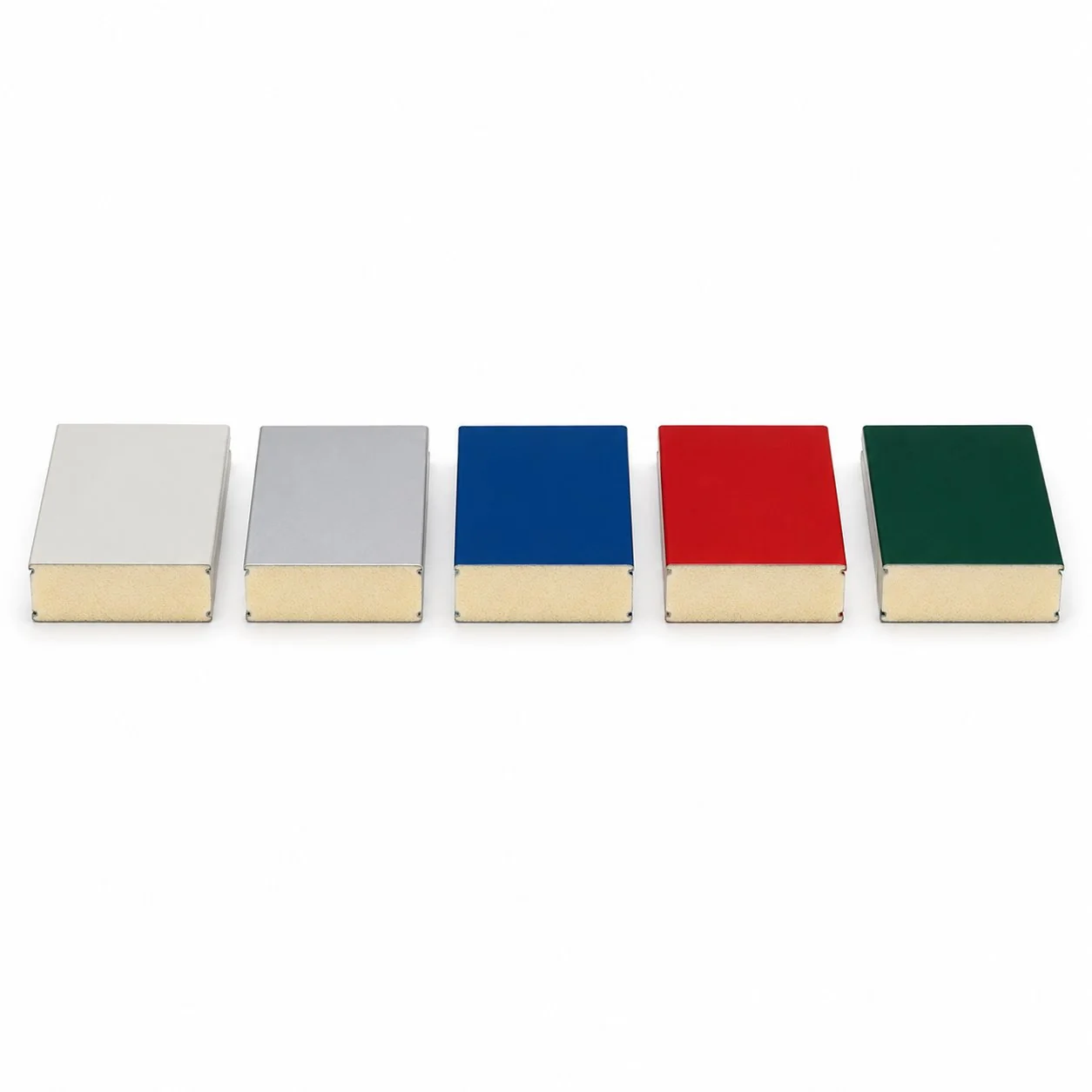
Available in full RAL color range with polyester, PVDF, or plastisol coatings.
Why Choose Polyurethane Facade Panels?
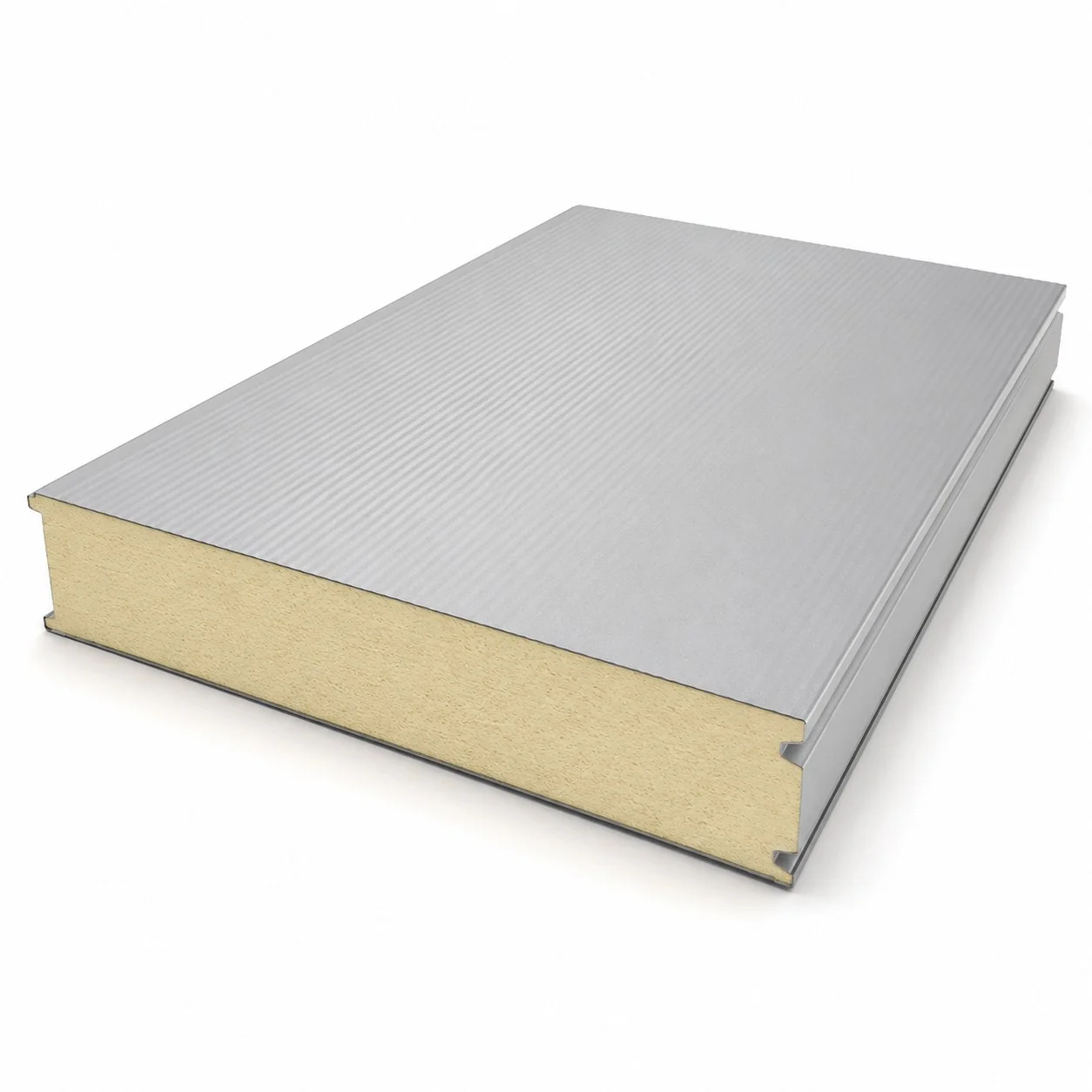
The polyurethane facade panel is the most widely used insulated cladding solution in Real Panel’s product range. With a rigid PUR foam core bonded between two pre-painted steel facings, these panels deliver an unmatched combination of thermal efficiency, structural performance, and installation speed.
Polyurethane’s closed-cell structure provides one of the lowest thermal conductivity values available in commercial insulation materials. At just 0.022 W/mK, PUR panels achieve target U-values with thinner profiles than EPS or rockwool alternatives — saving material costs and reducing structural load on the supporting framework.
Key Benefits
- Best Thermal Performance: Lambda 0.022 W/mK delivers maximum insulation in minimum thickness. A 60 mm PUR panel matches the thermal resistance of a 100 mm EPS panel.
- Rapid Construction: Tongue-and-groove joints and long panel lengths enable fast cladding of large areas. Typical installation speed: 150–250 m² per day per crew.
- Lightweight: Approximately 10–12 kg/m² at 50 mm thickness, reducing crane capacity requirements and structural steel costs.
- Weather-Tight: Factory-sealed joints and pre-finished steel surfaces provide immediate weather protection as soon as panels are installed. No additional rendering or finishing required.
- Long Service Life: 25–30+ years of service with minimal maintenance when installed correctly. Steel facings resist corrosion, and PUR core maintains its insulation value over time.
- Eco-Friendly: CFC/HCFC-free blowing agents. Panels contribute to reduced building energy consumption throughout their lifecycle, supporting green building targets.
Real Panel manufactures polyurethane facade panels on fully automated continuous lamination lines at our production facility in Turkey, serving clients across Romania, Bulgaria, Georgia, Macedonia, and Kosovo.
Ideal Applications
PUR facade panels are used across a wide range of building types:
- Industrial Buildings — factories, workshops, production halls
- Commercial Buildings — offices, showrooms, retail parks
- Logistics & Warehousing — distribution centers, storage facilities
- Agriculture — livestock buildings, poultry houses, barns
- Cold Storage entrance zones and service areas
Panel Specifications
| SPECIFICATION | VALUE |
| Core Material | Rigid polyurethane foam (PUR), CFC/HCFC-free |
| Core Density | 38–42 kg/m³ (standard) |
| Thermal Conductivity (λ) | 0.022 W/mK (declared value per EN 14509) |
| Panel Thickness | 30 / 40 / 50 / 60 / 80 / 100 / 120 / 150 / 200 mm |
| Effective Width | 1000 mm (standard) / 1200 mm (available) |
| Maximum Length | Up to 16,000 mm (project-specific) |
| External Facing | Pre-painted galvanized steel (PPGI), 0.4–0.7 mm |
| Internal Facing | Pre-painted galvanized steel (PPGI), 0.4–0.5 mm |
| Coating Options | Polyester (25 µm), PVDF (25 µm), Plastisol (200 µm) |
| Joint System | Tongue & groove (concealed fix) / Visible fix |
| Fire Reaction | B-s2, d0 (Euroclass per EN 13501-1) |
| Weight (approx.) | ~10–12 kg/m² (at 50 mm) |
| Service Temperature | -40°C to +80°C (continuous) |
| Color Options | Full RAL color range |
| Standards | EN 14509, CE Marked, ISO 9001 |
U-Value by Panel Thickness
Lower U-value = better insulation. Values per EN ISO 6946:
| SPECIFICATION | VALUE |
| 30 mm | U = 0.69 W/m²K |
| 40 mm | U = 0.53 W/m²K |
| 50 mm | U = 0.43 W/m²K |
| 60 mm | U = 0.36 W/m²K |
| 80 mm | U = 0.27 W/m²K |
| 100 mm | U = 0.22 W/m²K |
| 120 mm | U = 0.18 W/m²K |
| 150 mm | U = 0.15 W/m²K |
| 200 mm | U = 0.11 W/m²K |
For custom thermal calculations, use the U-Value Calculator.
Surface Profile Options
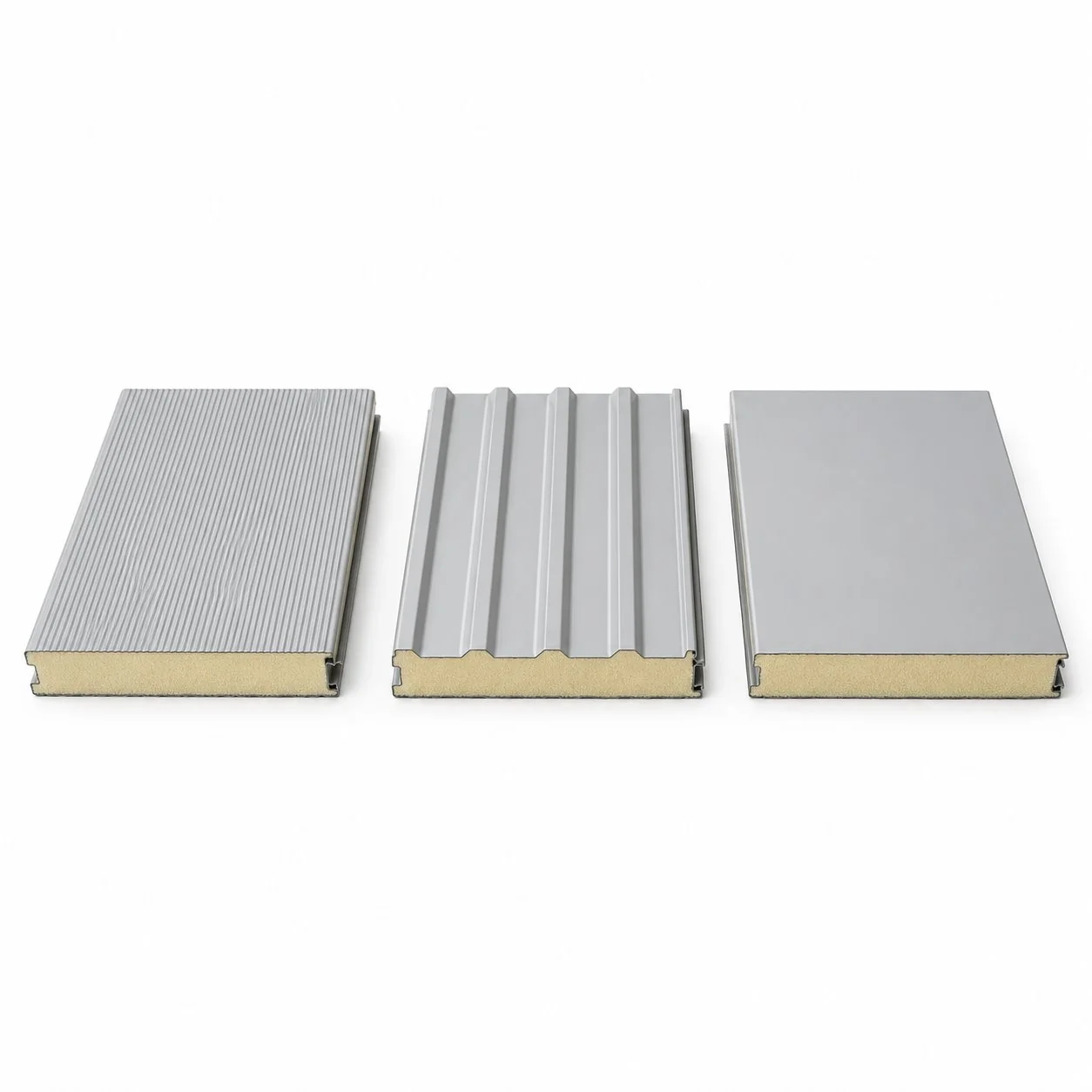
- Micro-Rib: Fine-ribbed surface, minimizes oil-canning. Most popular for general cladding.
- Trapezoidal: Deep-ribbed profile for enhanced structural rigidity and bold facade lines.
- Flat / Smooth: Sleek, contemporary surface for architectural and commercial facades.
- Liner: Internal face — standard micro-rib or flat in white/light gray.
Concealed Fix System (Tongue & Groove)
The concealed fix system hides all fasteners behind the panel joint, creating a clean, uninterrupted facade. The tongue-and-groove interlocking mechanism provides excellent weather-tightness and minimizes thermal bridging at joints.
- Recommended for: commercial, retail, and architectural projects
- Fasteners hidden behind overlapping joint
- Superior weather seal at panel-to-panel connection
- Clean, modern aesthetic with no visible fixings
Visible Fix System (Through-Fix)
Self-drilling screws fix through the panel face directly into the supporting steelwork. A cost-effective, fast method ideal for projects where speed and economy are prioritized over visual finish.
- Recommended for: industrial, agricultural, and utility buildings
- Faster installation than concealed fix
- Easier panel replacement if required
- Color-matched screw caps available
Mounting Orientation
- Horizontal: Most common for facade cladding. Panels run horizontally between vertical steel columns.
- Vertical: Used on specific architectural designs or when height exceeds practical horizontal panel lengths.
Supporting Structure
Panels can be mounted on hot-rolled steel sections, cold-formed C/Z purlins, or concrete/masonry walls with appropriate fixing brackets. Minimum purlin spacing and maximum span depend on panel thickness, wind load zone, and building height. Refer to our load-span tables in the technical catalog.
Download detailed installation manuals and watch video guides on our Installation Guides page.
Choosing between core materials? Here is how polyurethane (PUR) compares:
| Feature | PUR | PIR | EPS | Rockwool |
| Thermal (λ) | 0.022 | 0.023 | 0.035 | 0.040 |
| Fire Class | B-s2, d0 | B-s1, d0 | E | A1 / A2 |
| Weight | Low | Low | Very Low | High |
| Cost | $$ | $$$ | $ | $$$$ |
| Best For | All-round | Fire zones | Budget | Non-combustible |
Explore alternatives: PIR Facade Panel · EPS Facade Panel · Rockwool Facade Panel · Fibercement Facade Panel
Can’t decide? Use our interactive Panel Selector — answer a few questions and get an instant recommendation.
Certifications
- EN 14509: Self-supporting double skin metal faced insulating panels — mechanical, thermal, and dimensional compliance.
- CE Marking: Full compliance for sale and use in European markets including Romania, Bulgaria, and other export destinations.
- EN 13501-1: Fire reaction classification — Euroclass B-s2, d0 (limited combustibility, low smoke).
- EN ISO 11925-2: Ignitability testing under direct flame impingement.
- ISO 9001: Quality management system certification for manufacturing facility.
View all certifications on the Quality & Certificates page.
What is the thermal conductivity of a polyurethane facade panel?
Real Panel polyurethane facade panels have a declared thermal conductivity (lambda) of 0.022 W/mK per EN 14509. This is the lowest lambda value among standard sandwich panel core materials, meaning PUR panels achieve target U-values with the thinnest possible panel profile.
What thicknesses are available?
We offer polyurethane facade panels in thicknesses from 30 mm to 200 mm (30, 40, 50, 60, 80, 100, 120, 150, and 200 mm). Custom thicknesses may be available for specific project requirements upon request.
What is the fire rating of PUR facade panels?
Standard PUR facade panels achieve Euroclass B-s2, d0 per EN 13501-1, meaning they have limited combustibility with low smoke production. For projects requiring higher fire performance, consider our PIR facade panels (B-s1, d0) or rockwool panels (A1/A2).
How long does installation take?
Installation speed depends on building geometry and crew experience, but typical rates are 150–250 m² per day for a two-person installation team. Concealed fix systems are slightly slower than visible fix due to the interlocking joint alignment.
Can I get custom RAL colors?
Yes. All polyurethane facade panels are available in the full RAL color range. Standard stock colors ship faster, while custom colors may require 2–3 weeks additional lead time. Contact our sales team for color availability.
What is the maximum panel length?
Panels can be manufactured up to 16,000 mm (16 meters) in length, depending on thickness and transport constraints. Longer panels reduce the number of horizontal joints on the facade, improving both aesthetics and weather-tightness.
Do you export to my country?
We currently export to Romania, Bulgaria, Georgia, Macedonia, and Kosovo, with expansion into additional markets underway. Visit our Export Markets page or request a quote for your region.