

Cold Room Panels from Turkey: What to Check Before You Order
Buyers who search for cold room panels from Turkey are usually comparing two things at once: the panel itself and the supply chain behind it. Both matter. A panel that performs on paper is worth little if it arrives three weeks late, in the wrong length, or without the documents your building inspector asks for.
This guide sets out what to check before placing an order — the specification that actually governs performance, the documents that travel with the goods, and the questions a serious manufacturer should answer before quoting.
1. Start with the temperature, not the thickness
Cold room panel thickness follows the room temperature, and nothing else should drive the first decision:
| Room type | Temperature | Usual thickness |
|---|---|---|
| Chilled room, production area | 0 to +4 °C | 60–100 mm |
| Frozen storage | −18 to −25 °C | 120–180 mm |
| Blast freezing, deep freeze | −25 to −40 °C | 180–200 mm |
Under-specifying thickness is the most expensive mistake in cold storage. The panel cost difference between 120 mm and 180 mm is paid back by the refrigeration plant over a single season of operation, and an undersized envelope forces the compressors to run longer for the rest of the building’s life.
2. The joint is as important as the core
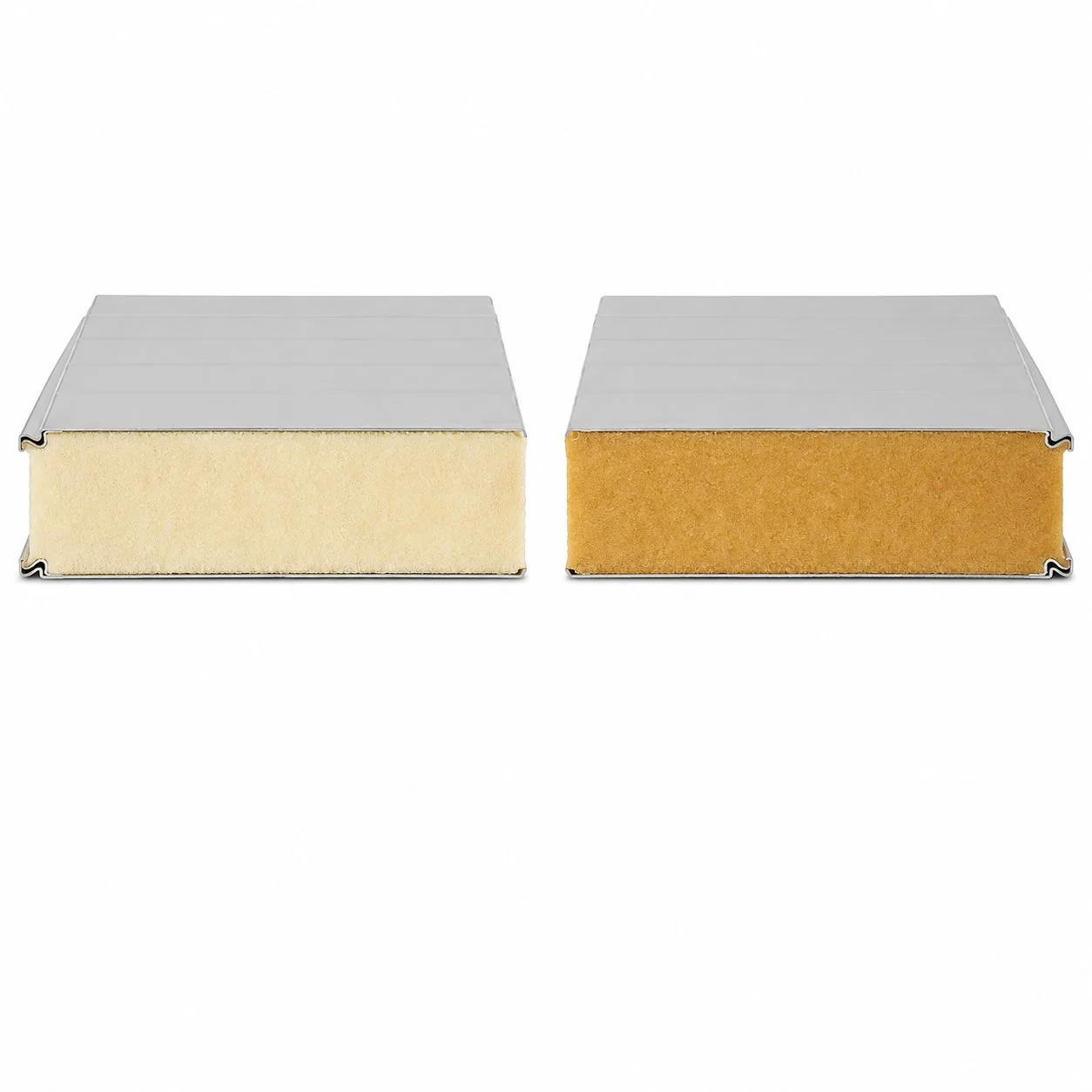
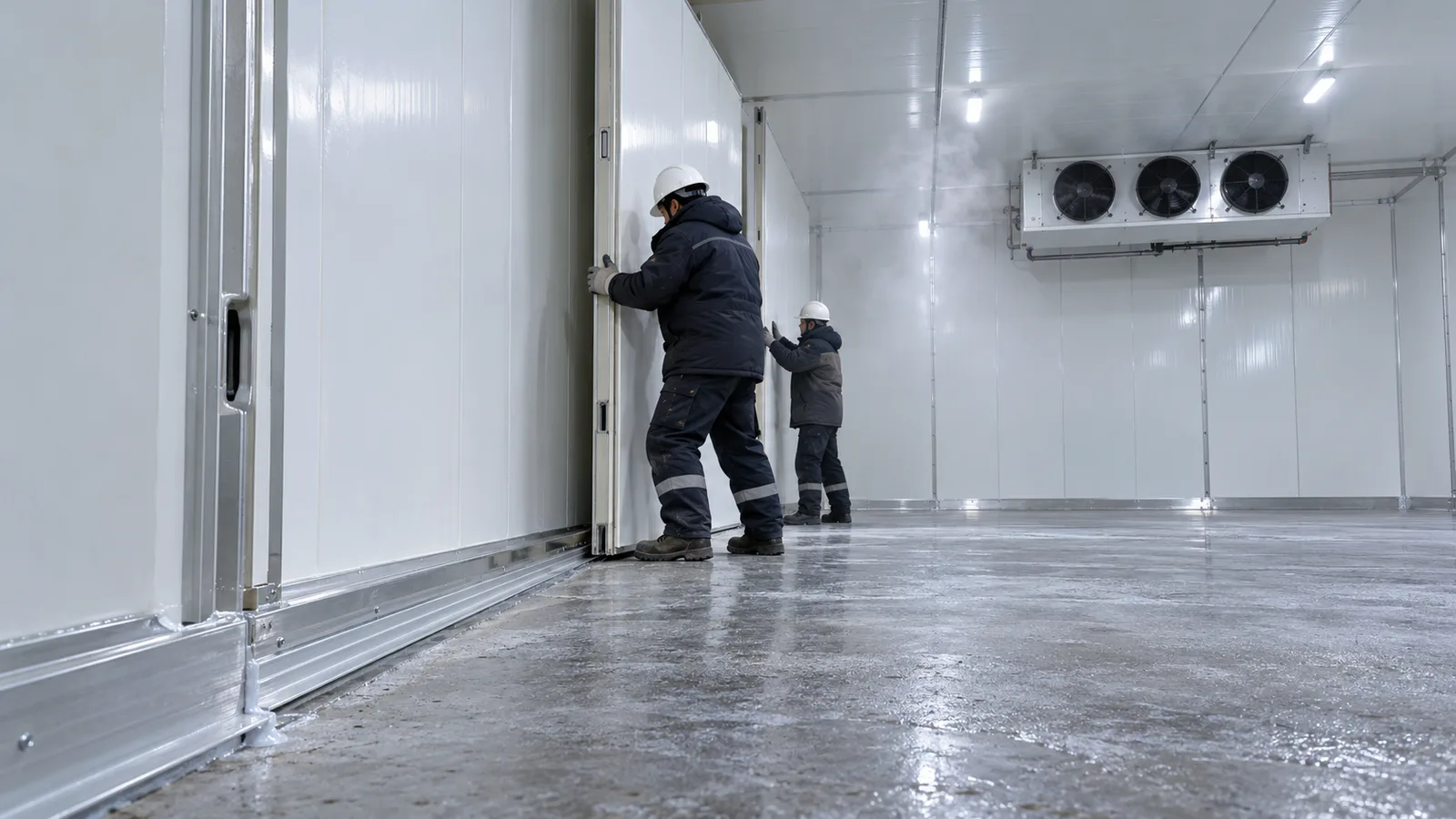
In a cold room, the weak point is never the middle of the panel — it is the joint. Cam-lock joints pull the panels together mechanically and compress the gasket, which is what keeps warm, humid air from migrating into the envelope. A joint that does not close fully becomes a permanent thermal bridge, and in freezer rooms it also becomes an ice bridge: moisture condenses inside the joint, freezes, expands and slowly separates the panels.
When you compare offers, confirm three things: the joint type (cam-lock for cold rooms), the gasket detail, and whether the supplier provides the matching corner and floor profiles. Sourcing panels from one company and accessories from another is where most site problems start.
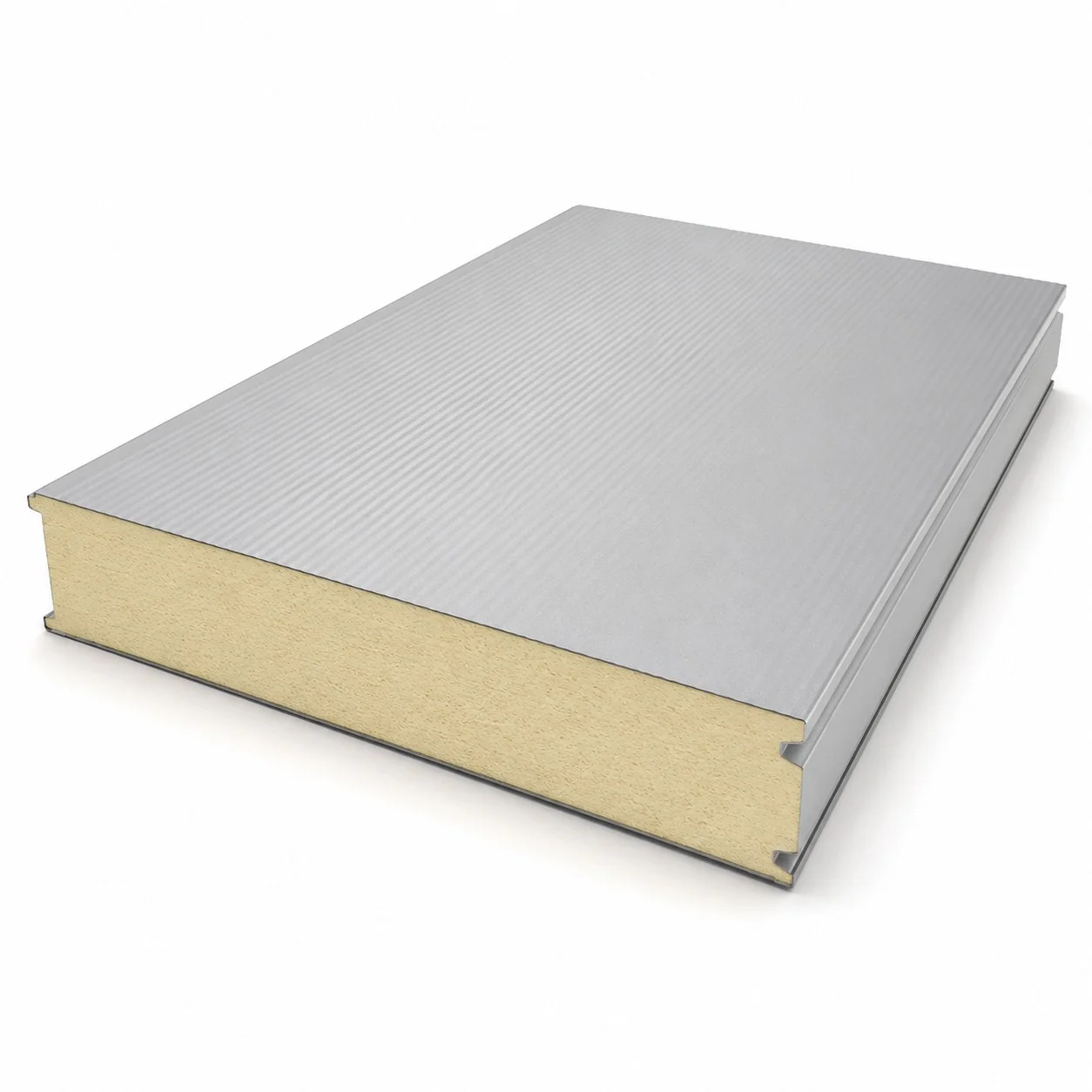
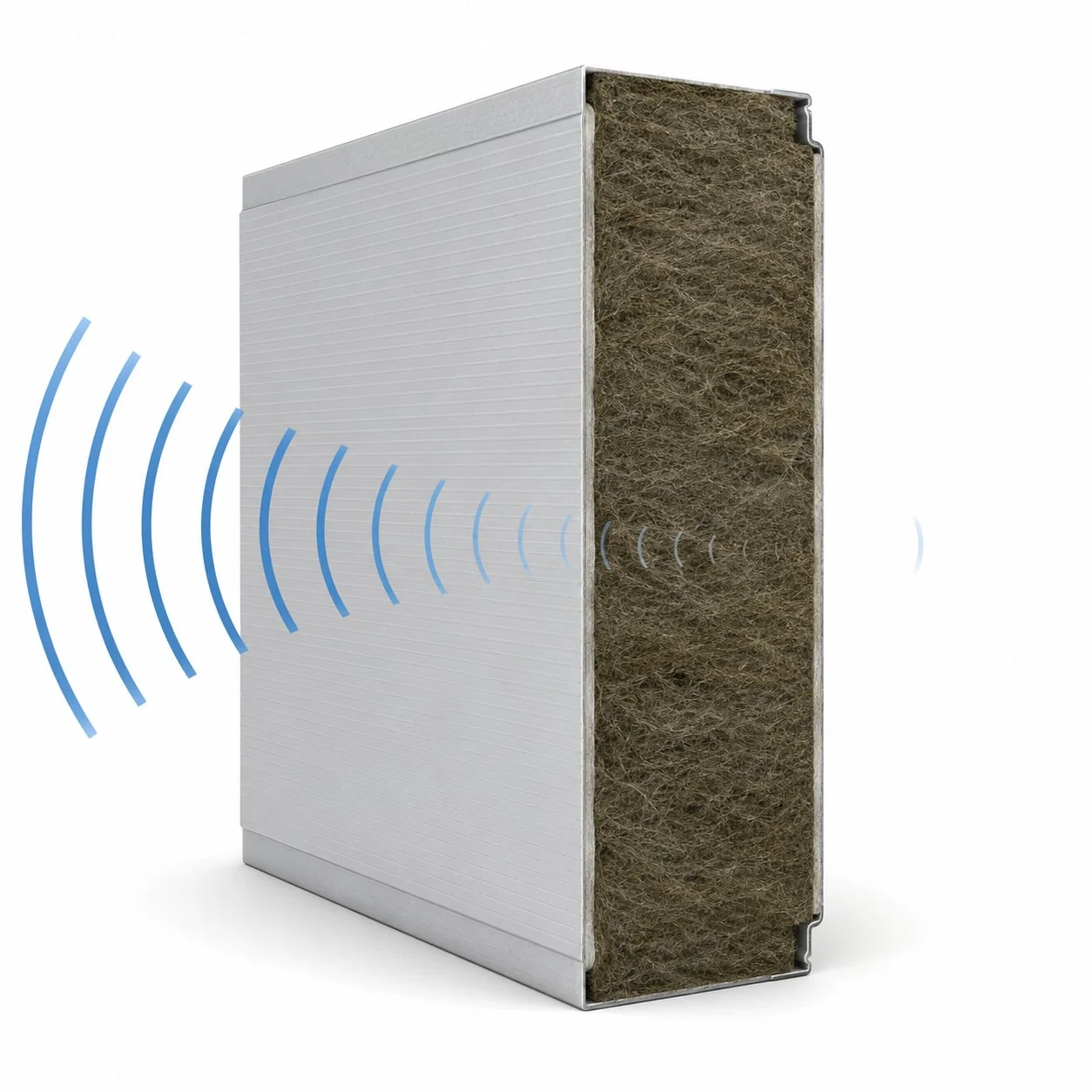
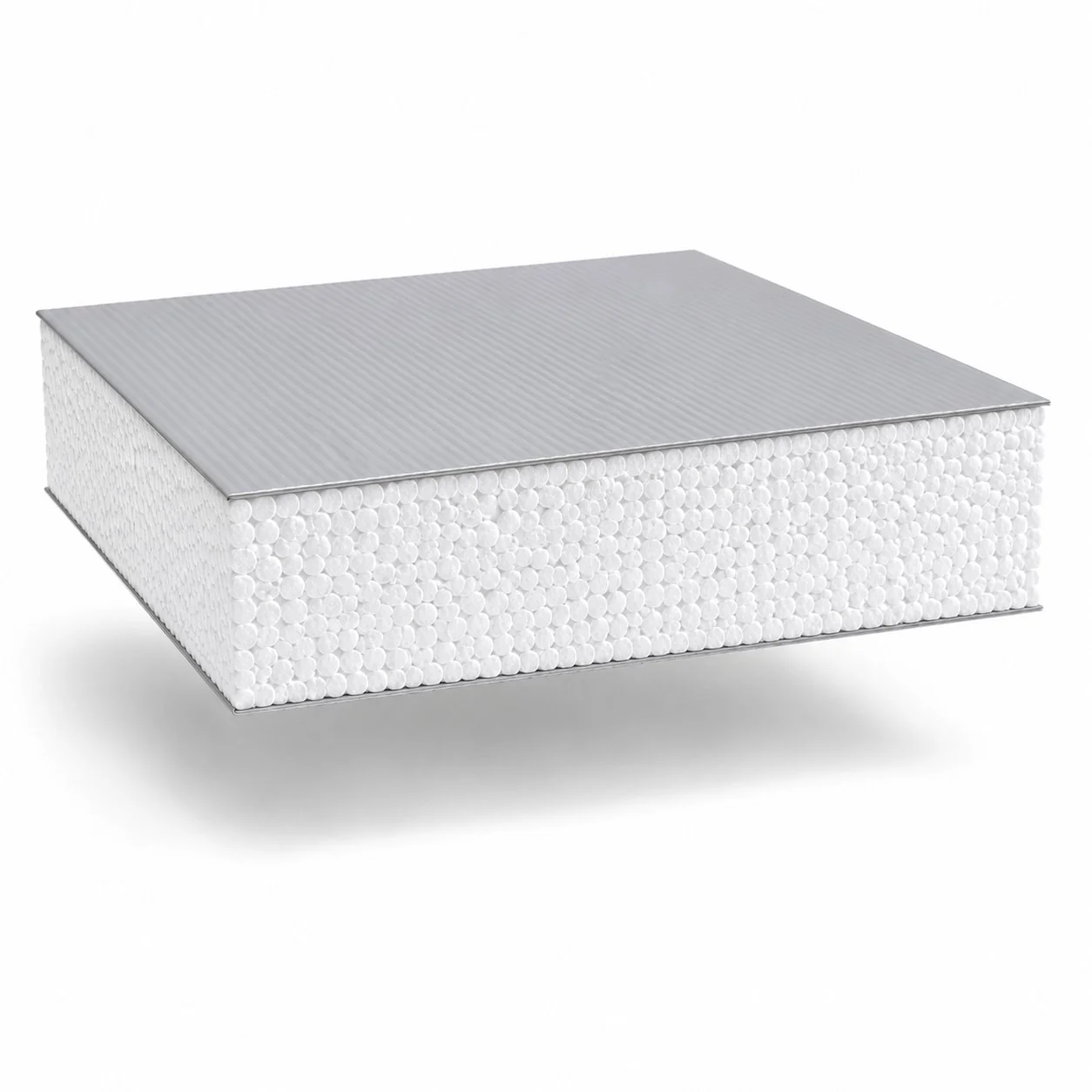
3. Core material: PUR, PIR, EPS or rockwool
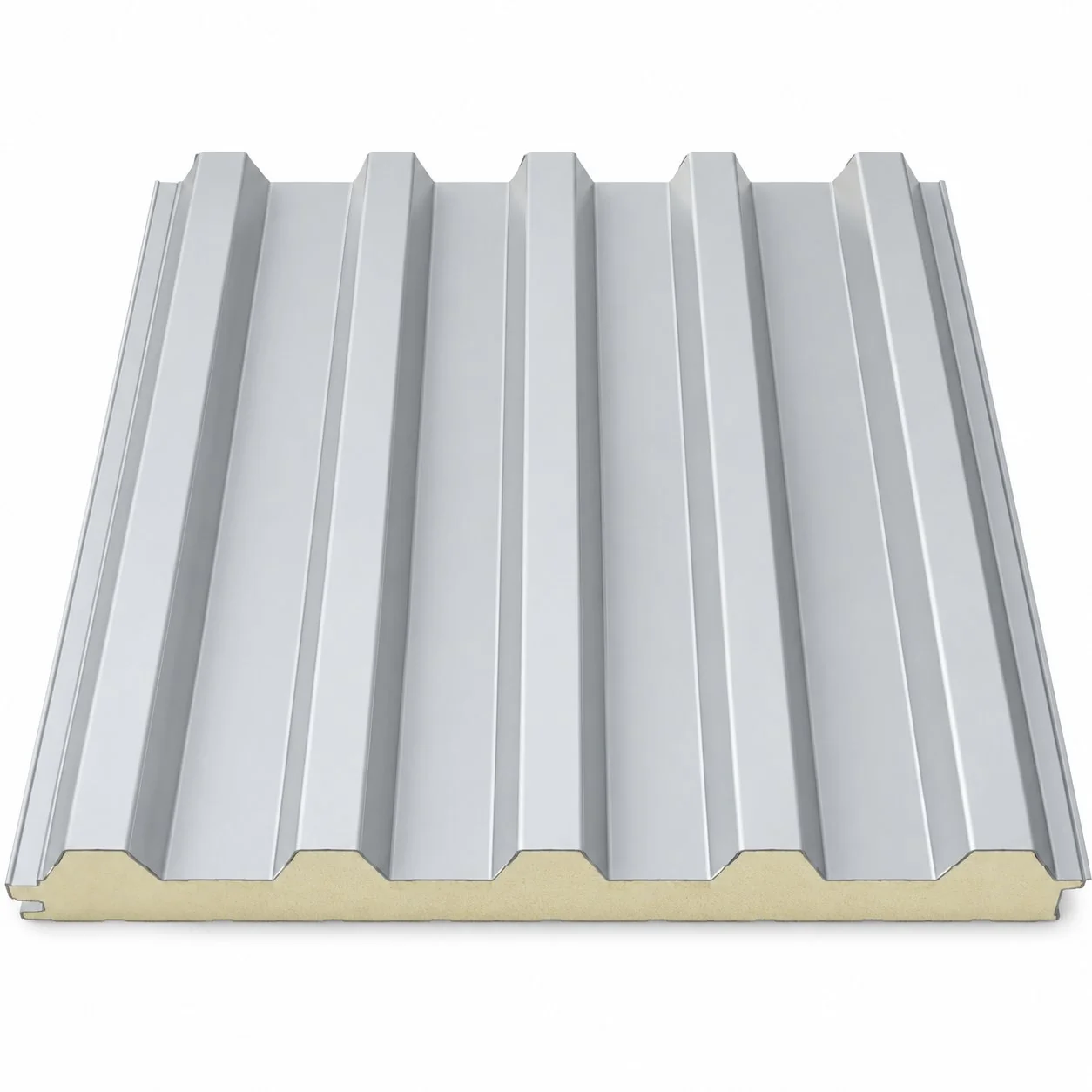
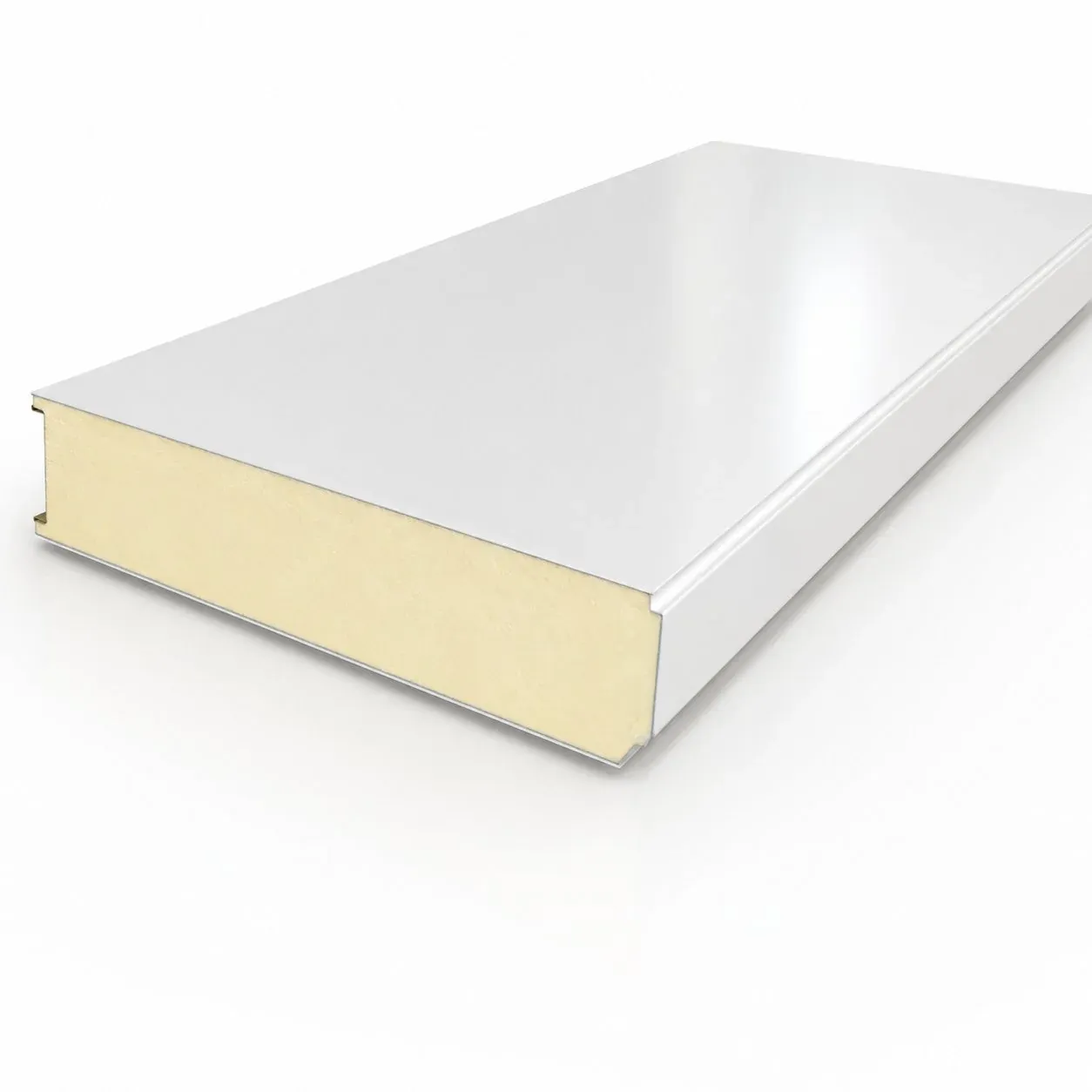
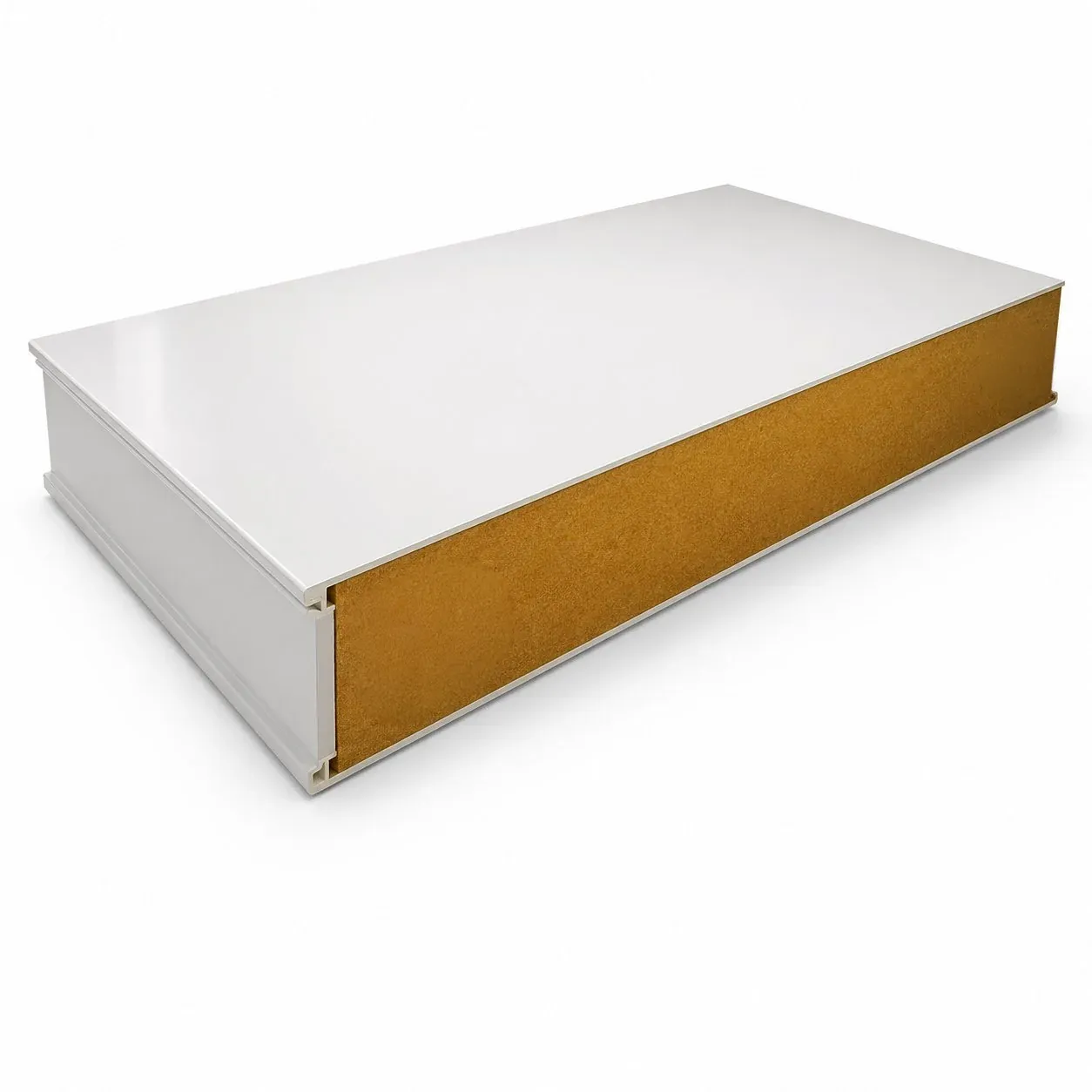
- PUR — the standard cold room core. Best insulation-to-cost ratio, so it needs the least thickness for a given U-value.
- PIR — thermally close to PUR with improved reaction to fire (Euroclass B-s1, d0). The usual choice when the insurer or the fire strategy asks for a better class.
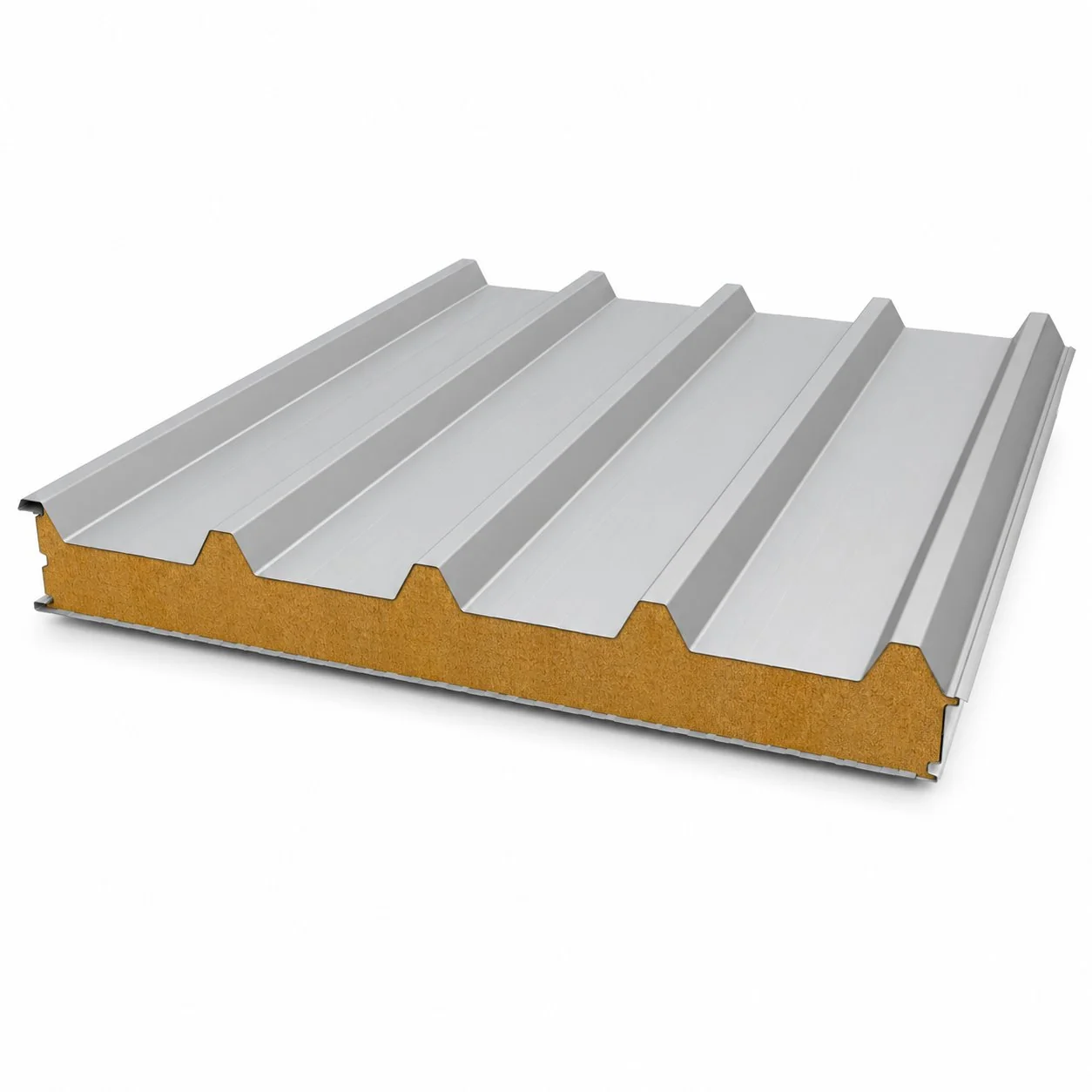
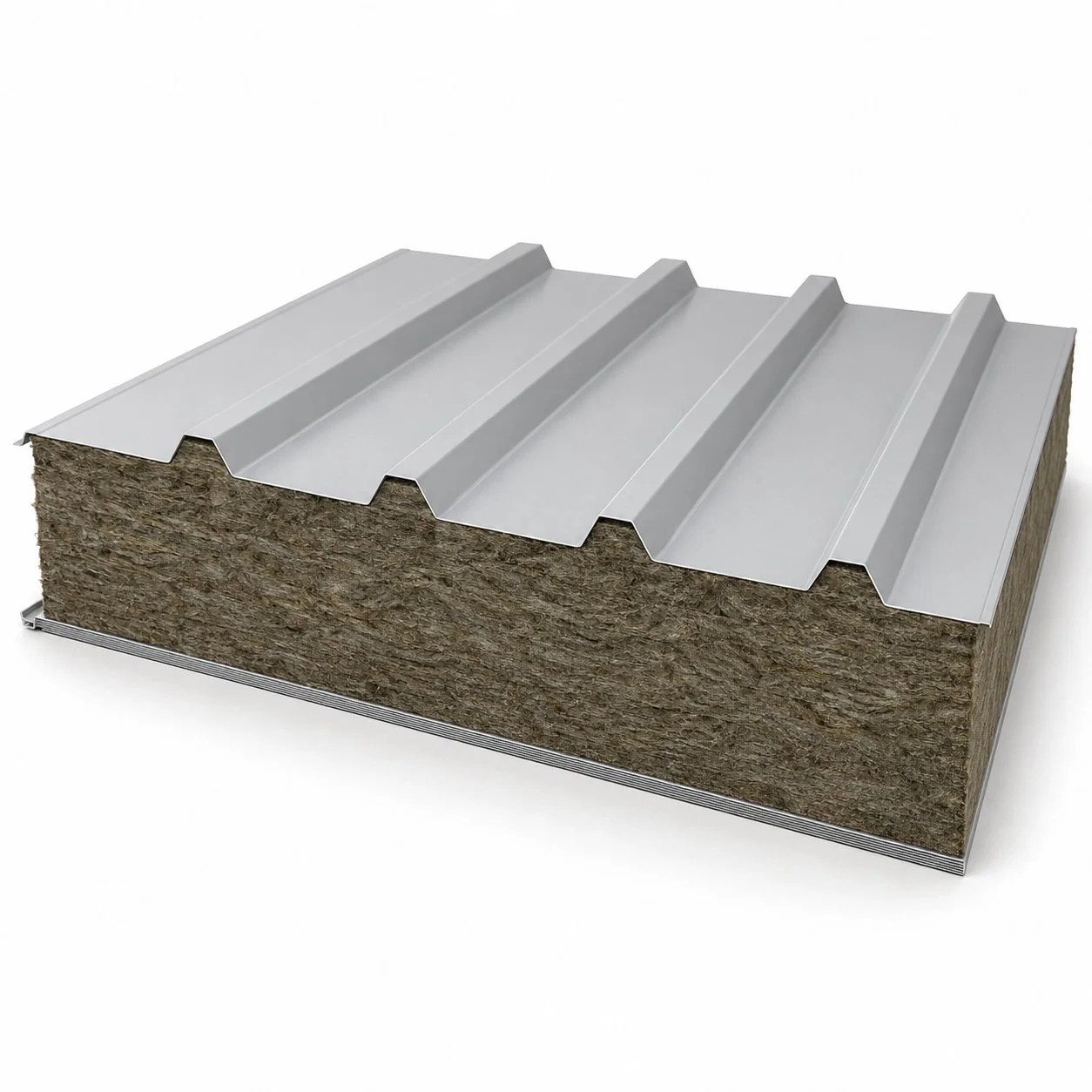
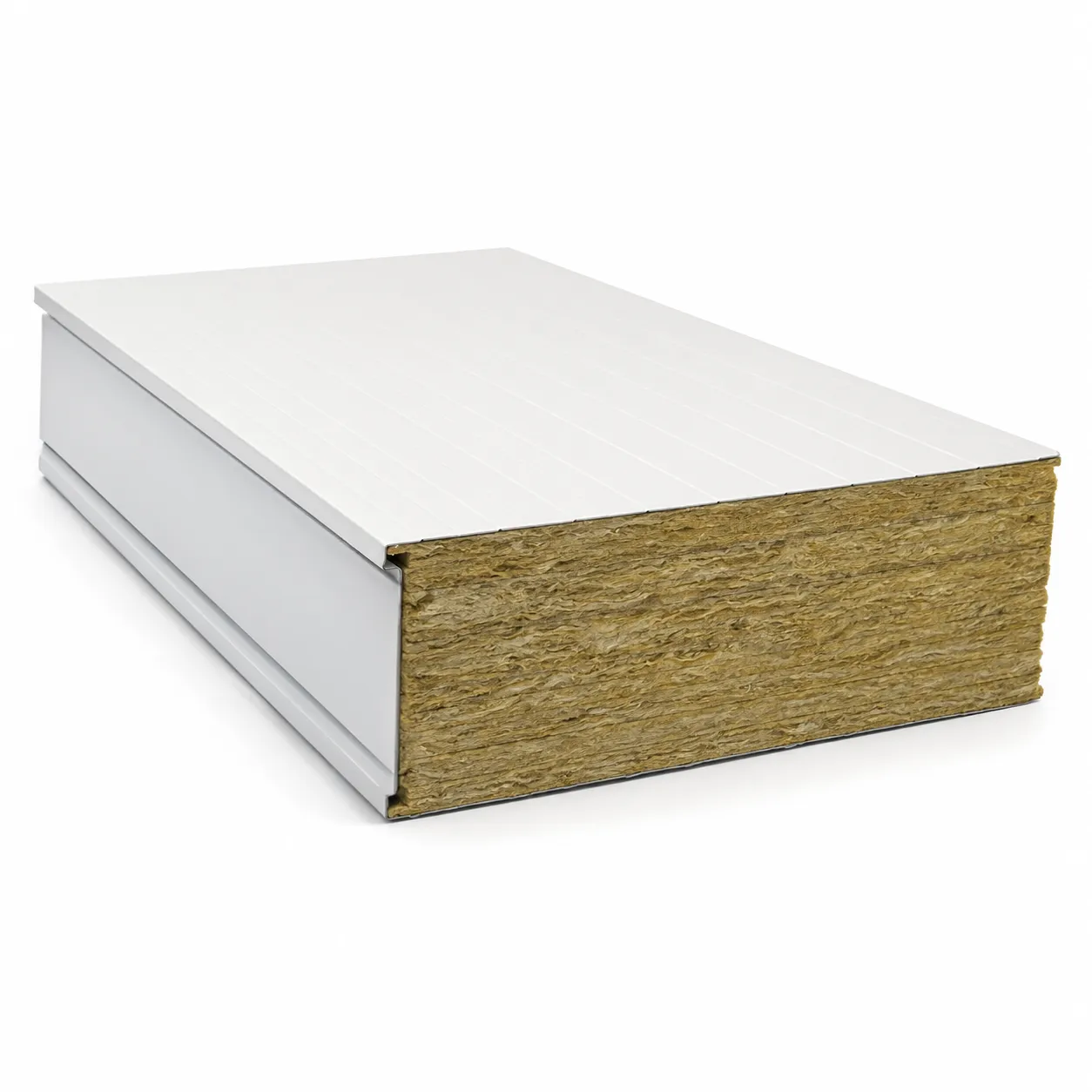
- Rockwool — the only non-combustible core (A2-s1, d0). Required for fire walls and boundary conditions; it insulates less per millimetre, so the thickness goes up one step.
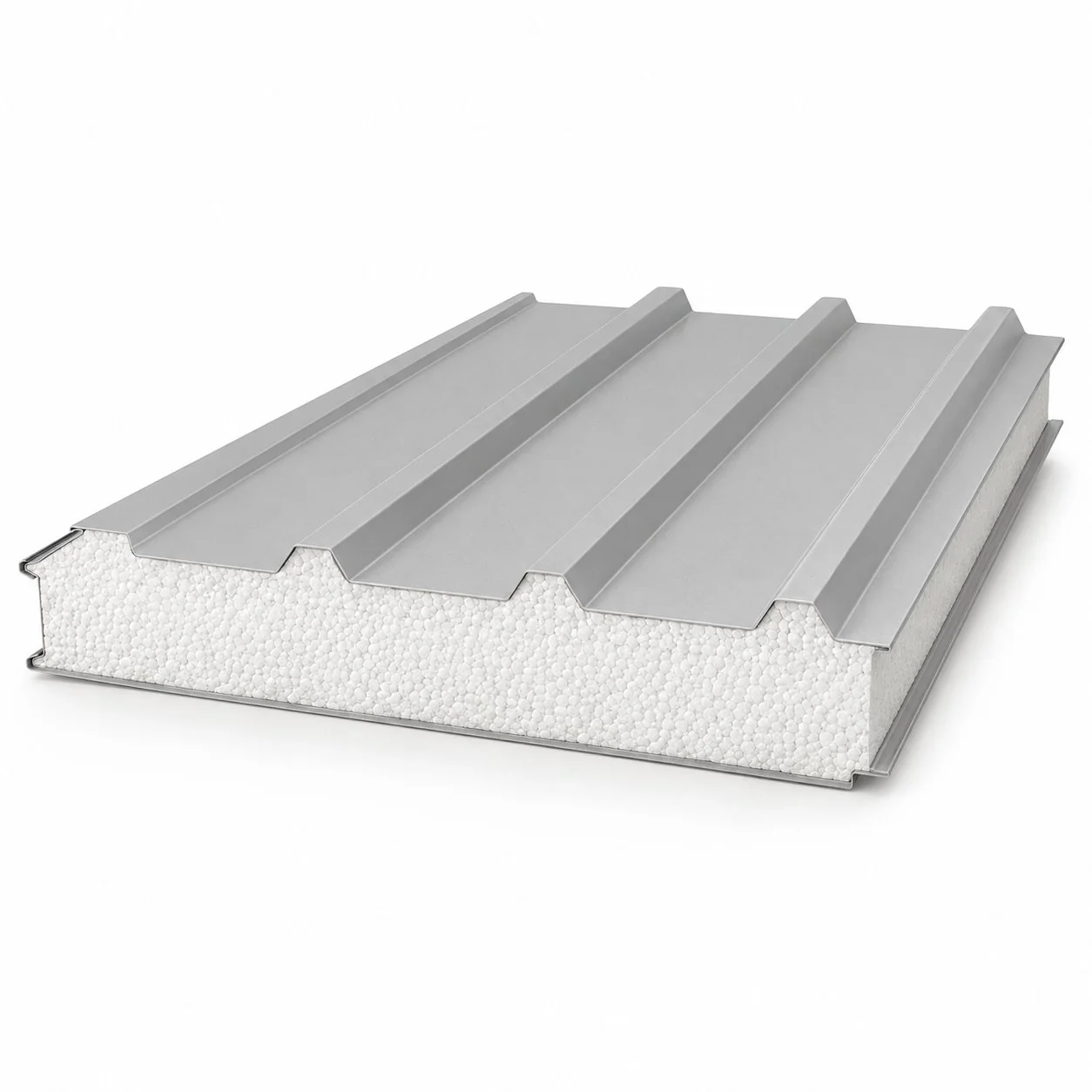
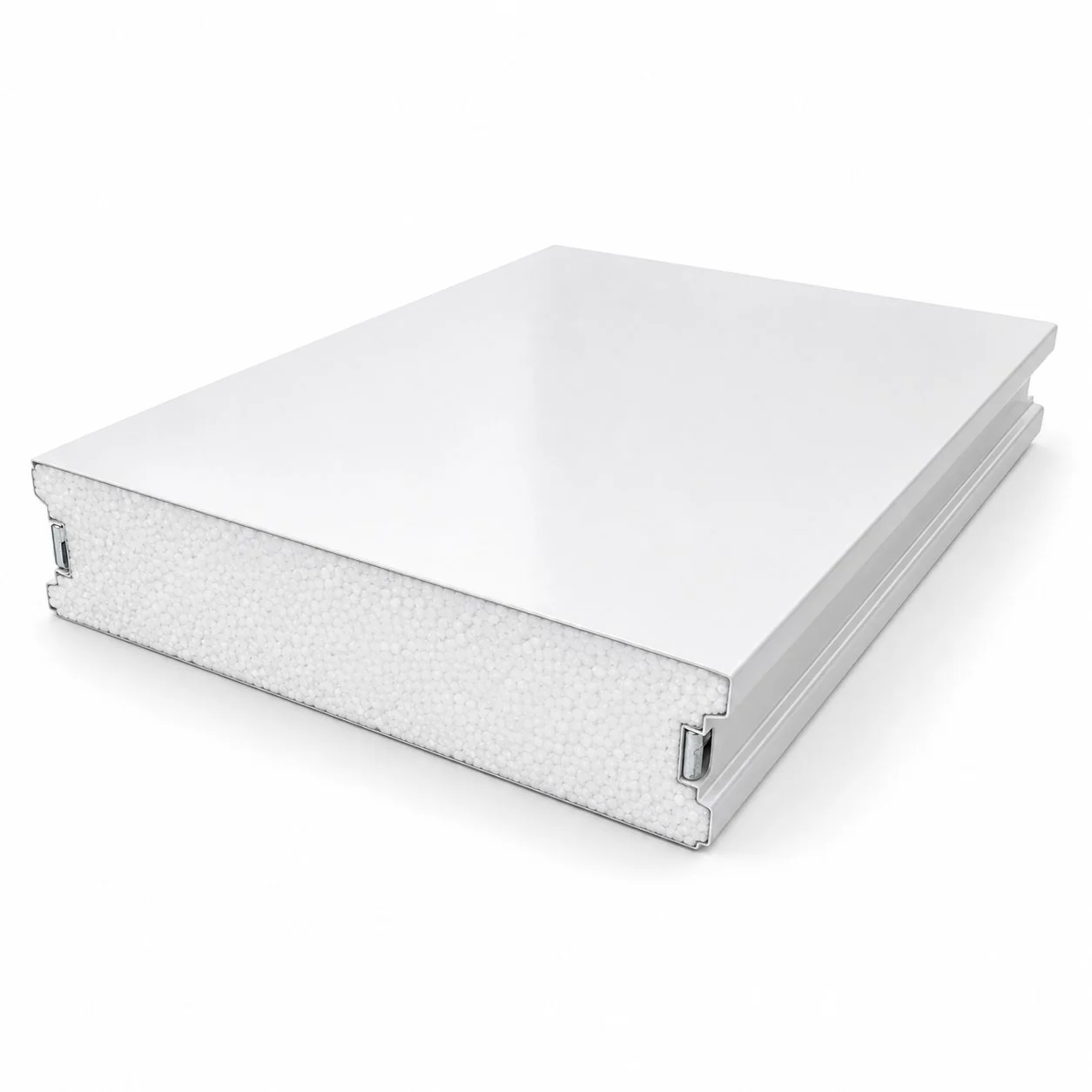
- EPS — the economical option for chilled rooms and agricultural stores where the duty cycle is light.
Food and pharmaceutical projects add one more requirement: a cleanable, food-grade internal facing. Ask for the coating specification on the internal sheet, not just the external colour.
4. Documents decide whether the project is accepted
Panels manufactured for the European market carry CE marking under EN 14509, a declaration of performance, and a reaction-to-fire classification under EN 13501-1. These are not marketing documents; they are what the site supervisor, the insurer and, in food projects, the auditor will ask to see.
For shipments from Turkey into the EU, the customs document matters too. Industrial goods move under the EU–Turkey Customs Union with an A.TR certificate, which means zero customs duty for buyers in Romania, Bulgaria and the rest of the EU. Buyers in Kosovo, Albania, North Macedonia and Georgia use EUR.1 under the respective free trade agreements, with the same outcome. Ask the supplier which certificate they issue and whether it is included in the quoted price.
You can review the documents we issue on our certificates and test reports pages.
5. Lengths, lead time and what actually arrives on site
Cold room panels should be produced at the project length. Every transverse joint you add on site is another sealing detail, another thermal bridge and another hour of labour. A manufacturer that cuts to the project drawing removes all three.
Realistic road transit times from Kocaeli, once production is confirmed:
| Destination | Customs | Transit |
|---|---|---|
| Bulgaria | 0% (A.TR) | 5–7 days |
| Romania | 0% (A.TR) | 7–10 days |
| North Macedonia | 0% (EUR.1) | 7–10 days |
| Kosovo / Albania | 0% (EUR.1) | 8–12 days |
| Georgia | 0% (EUR.1) | 10–14 days |
Ask for the delivery term in writing. A DAP quotation that includes loading, customs paperwork and delivery to your address is comparable between suppliers; an ex-works price is not.
6. What to send with your enquiry
A quotation is only as precise as the information behind it. To receive a firm offer in one working day, send:
- Room dimensions and the number of rooms, or the wall and ceiling areas in m².
- Target temperature for each room.
- Panel thickness if already specified, or let the engineer propose it from the temperature.
- Core preference and any fire requirement from the project documents.
- Internal and external sheet thickness and RAL colour.
- Delivery address and the date you need the panels on site.
Our quote form asks for exactly these items, so nothing has to be chased by e-mail afterwards.
Frequently asked questions
Can cold room panels be used for the ceiling as well as the walls?
Yes. Ceiling panels in cold rooms are usually the same build as the wall panels, suspended from the structure above. Spans and suspension points depend on panel thickness, so give the room width when you ask for a quote.
Which core is best for a food production facility?
PIR is the common choice: good insulation and a better fire class. Where the fire strategy requires non-combustibility — fire walls, boundary walls — rockwool is used for those sections. See cold room panels for the full range.
Do you supply doors and accessories?
We supply the panel envelope with matching flashings, corner and floor profiles, fasteners and sealants in the same delivery. Tell us in the enquiry if you also need refrigeration doors so we can advise on the opening details.
How long does production take?
Production starts once the order and the panel schedule are confirmed; the transit times above are additional. For projects with a fixed site date, state that date in the enquiry so the schedule can be planned backwards from it.
Working on a cold storage project? Send the room sizes and temperatures through the quote form and a sales engineer will come back within one working day with a specification and a delivered price. You can also compare the cores on the PUR, PIR and rockwool cold room panel pages, or read how we handled export logistics for recent shipments.