

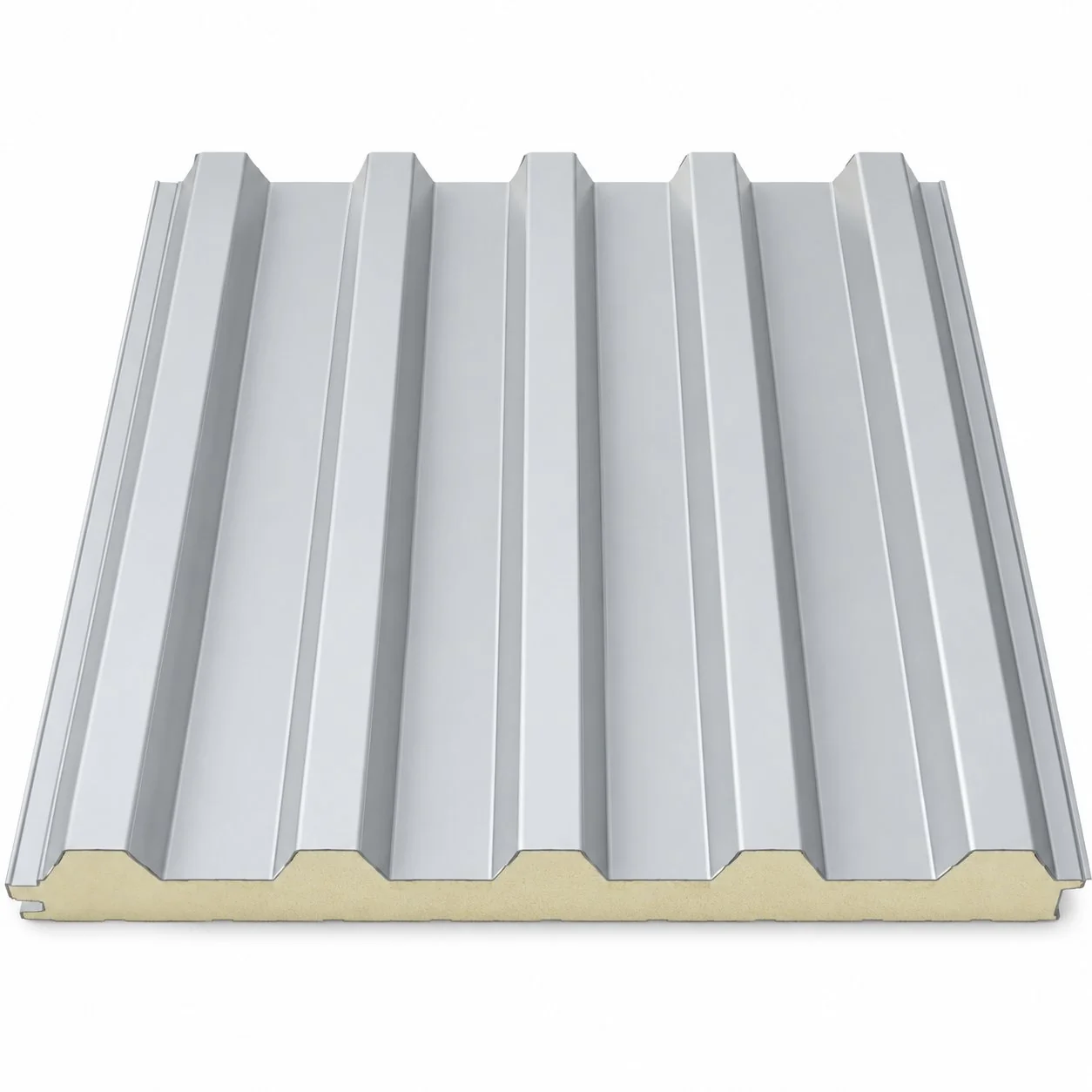
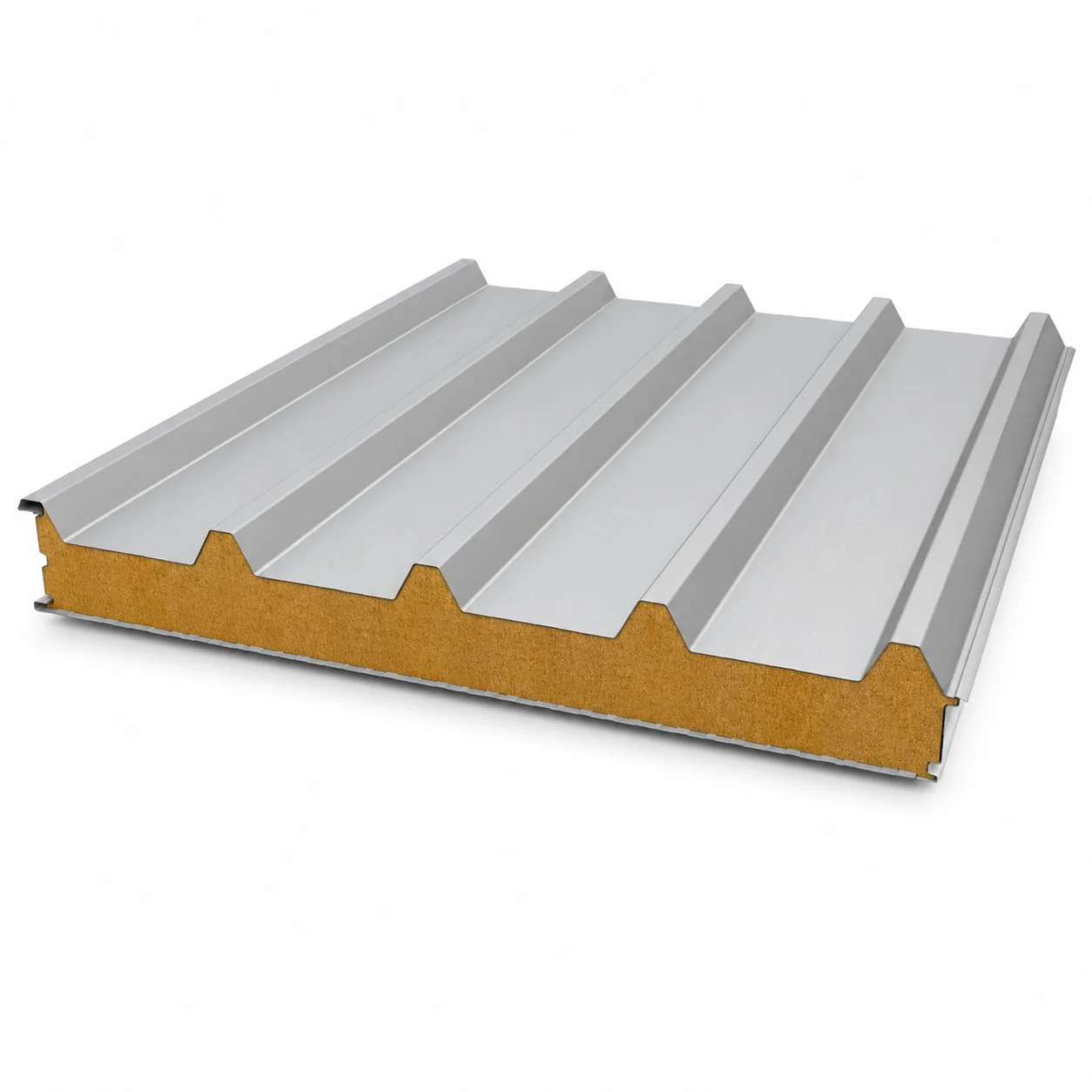
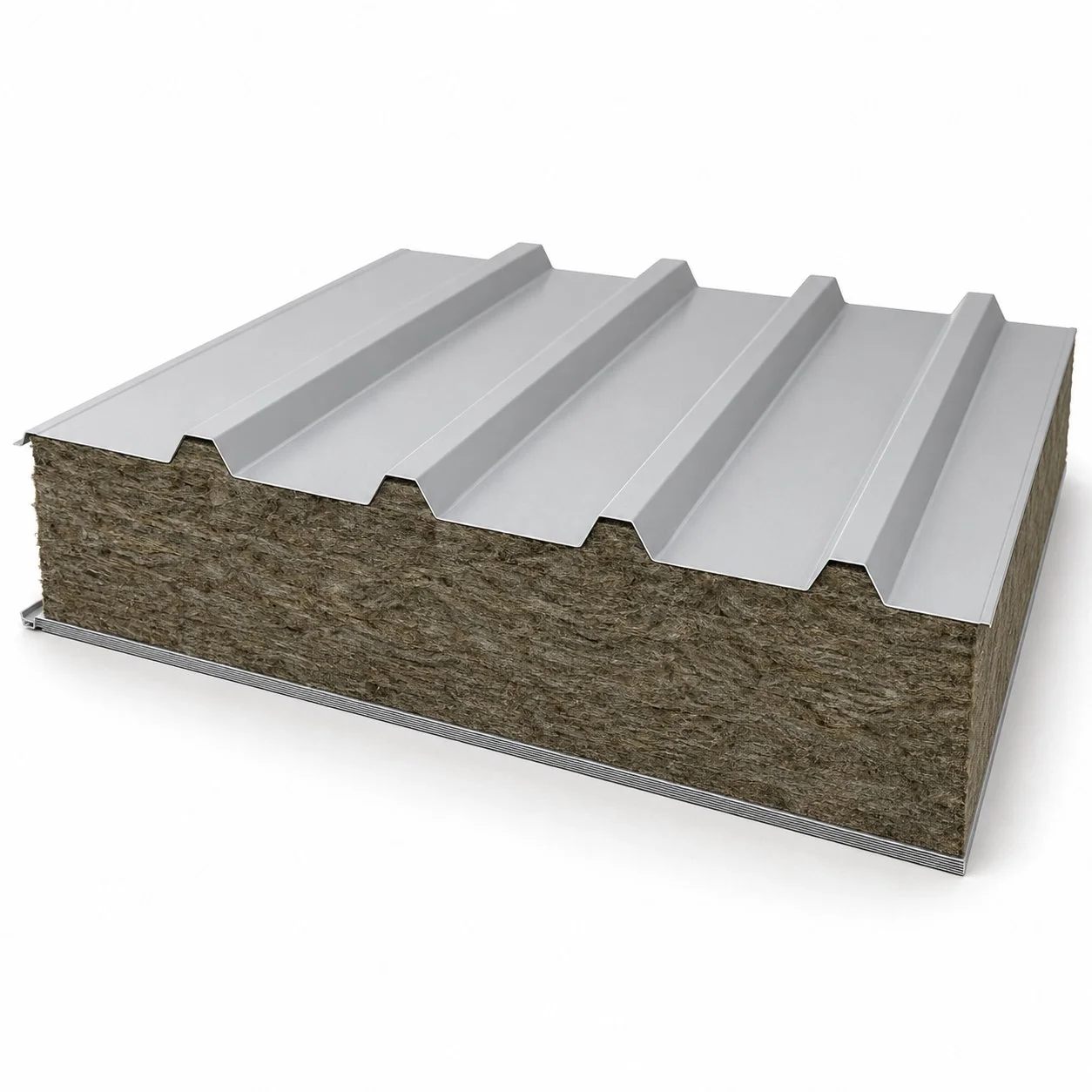
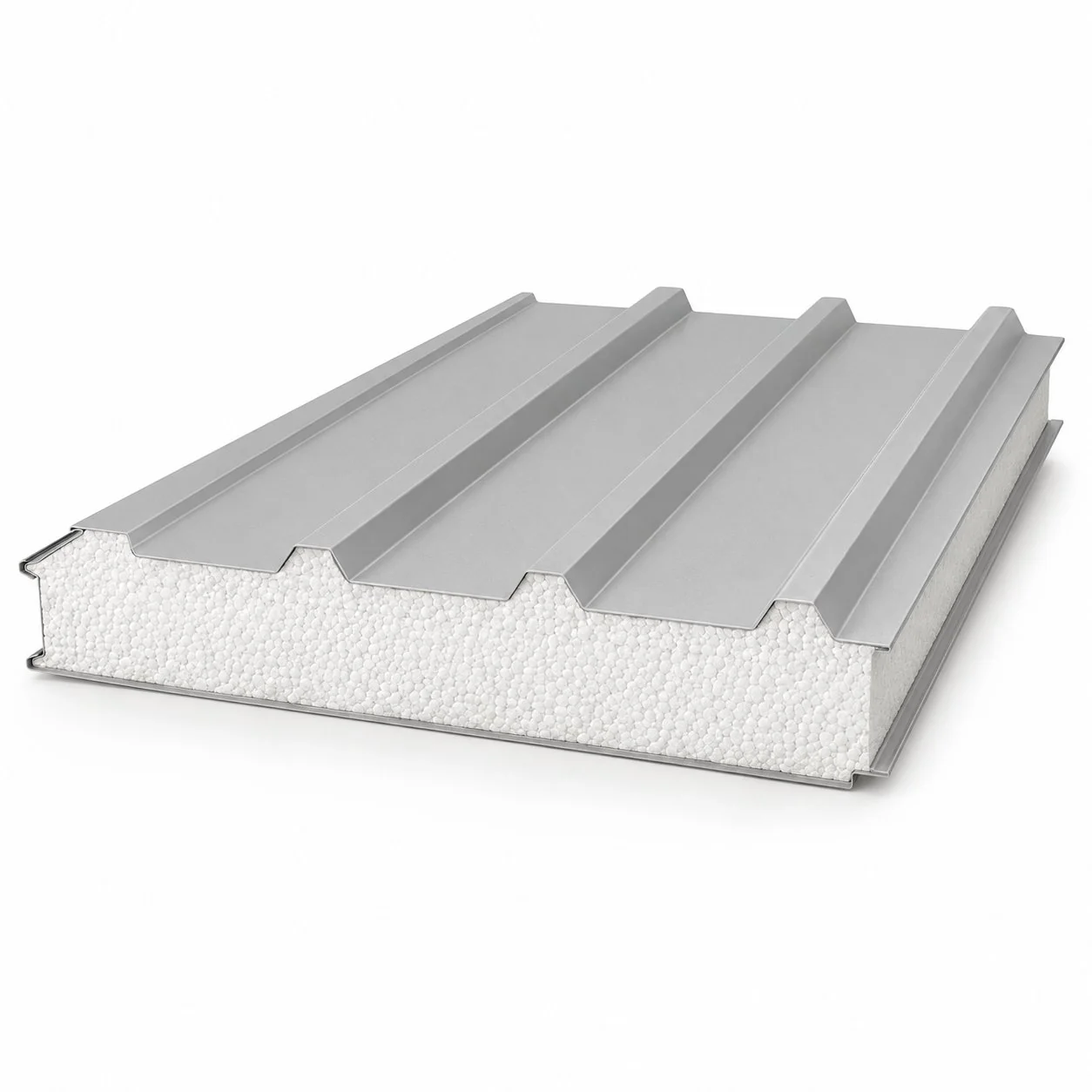
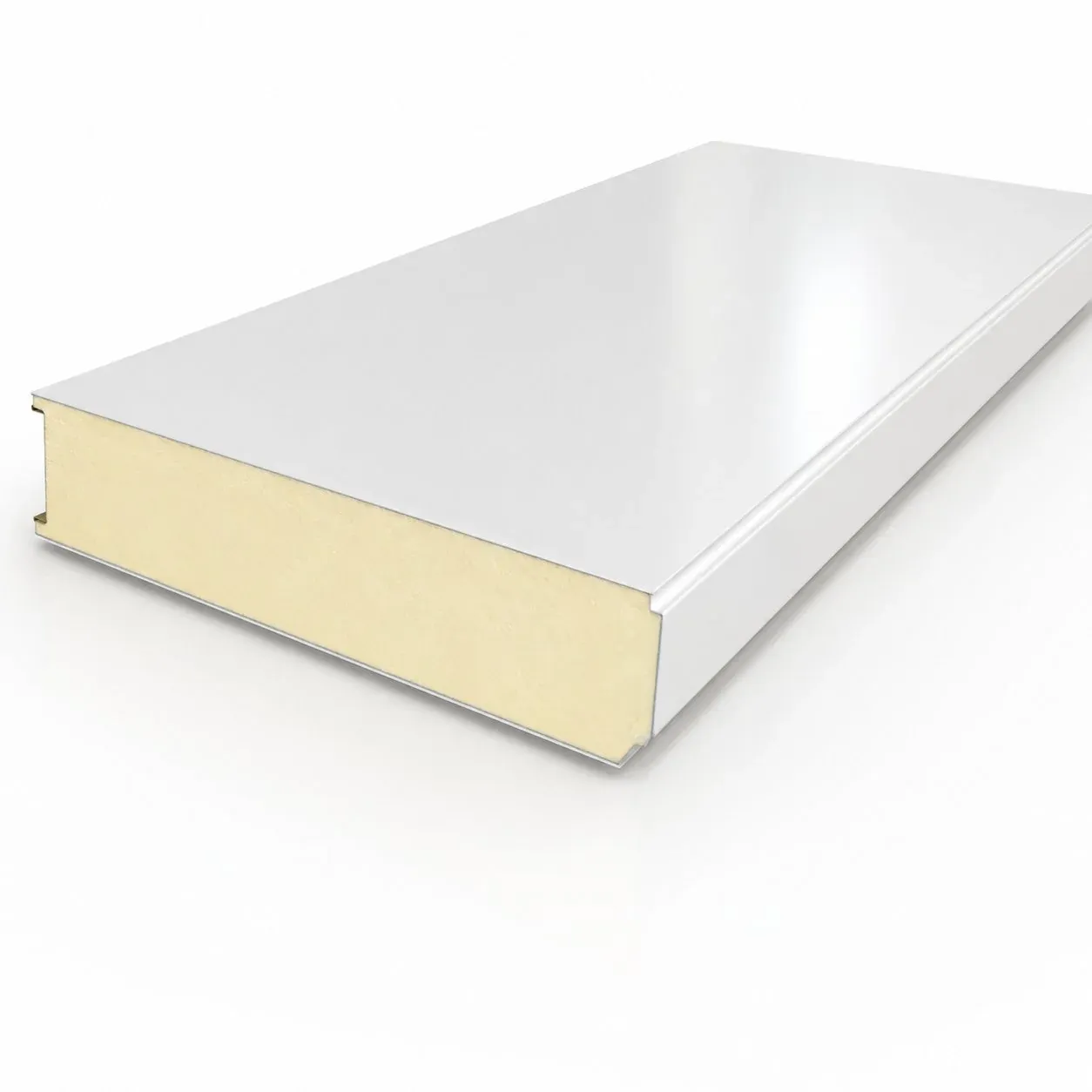
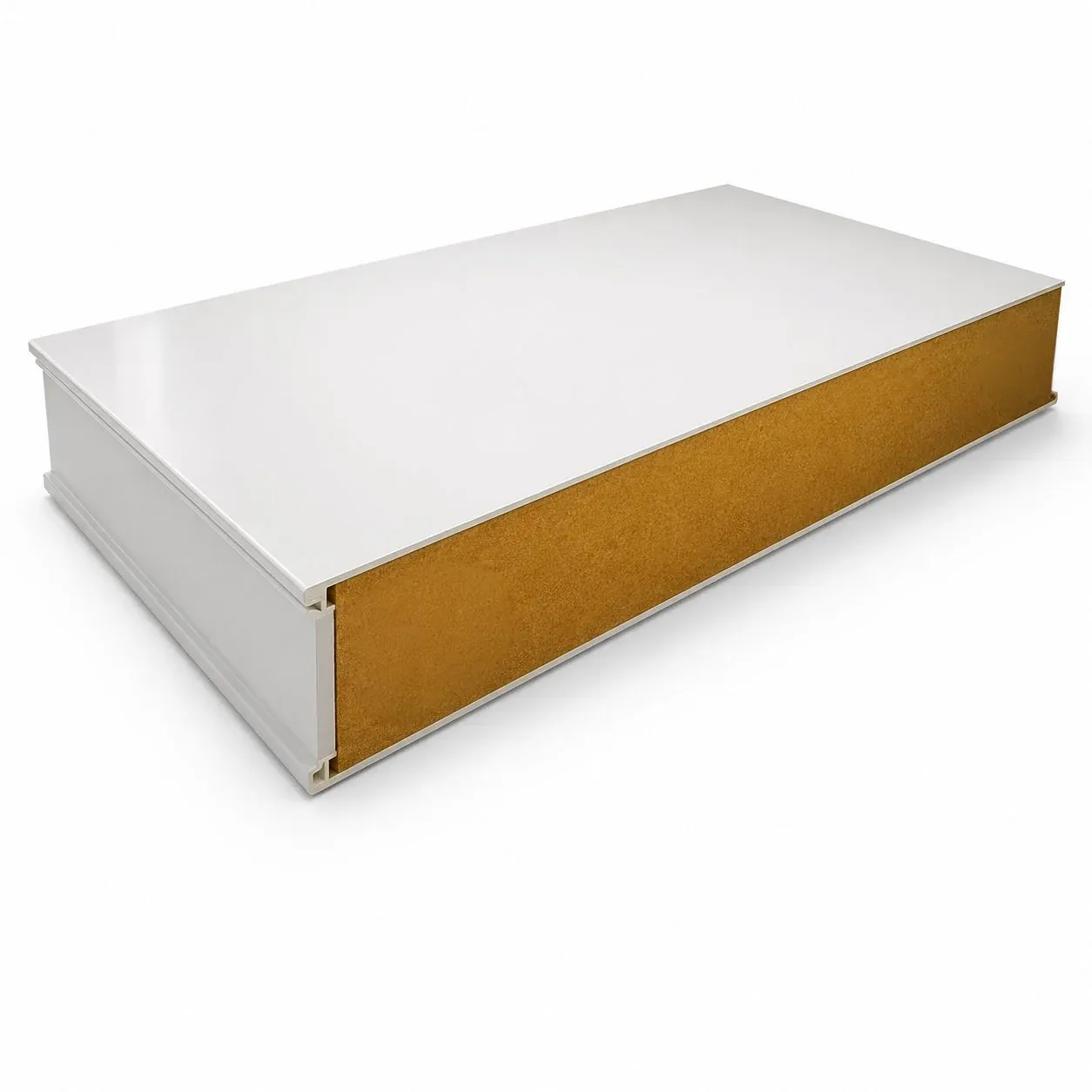
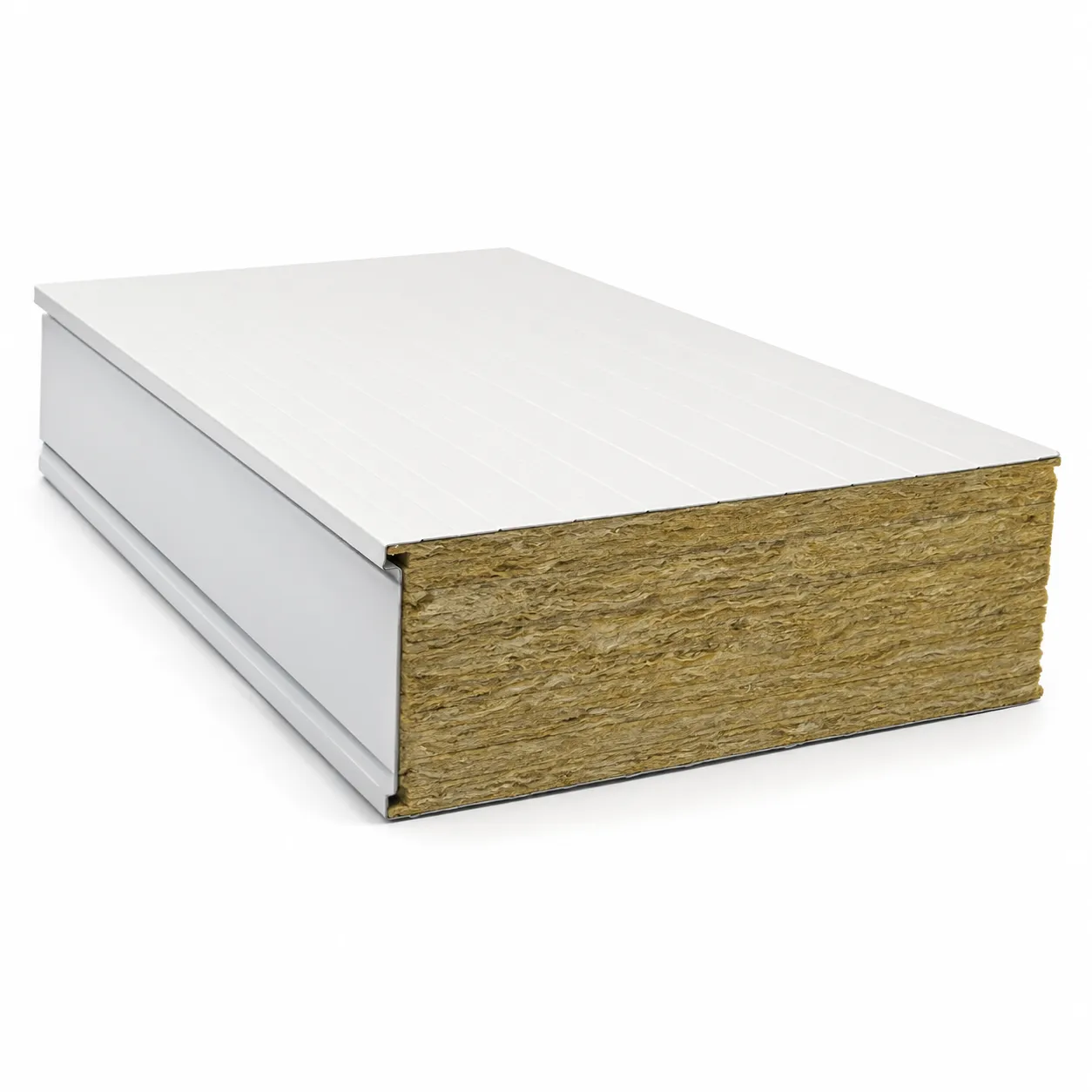
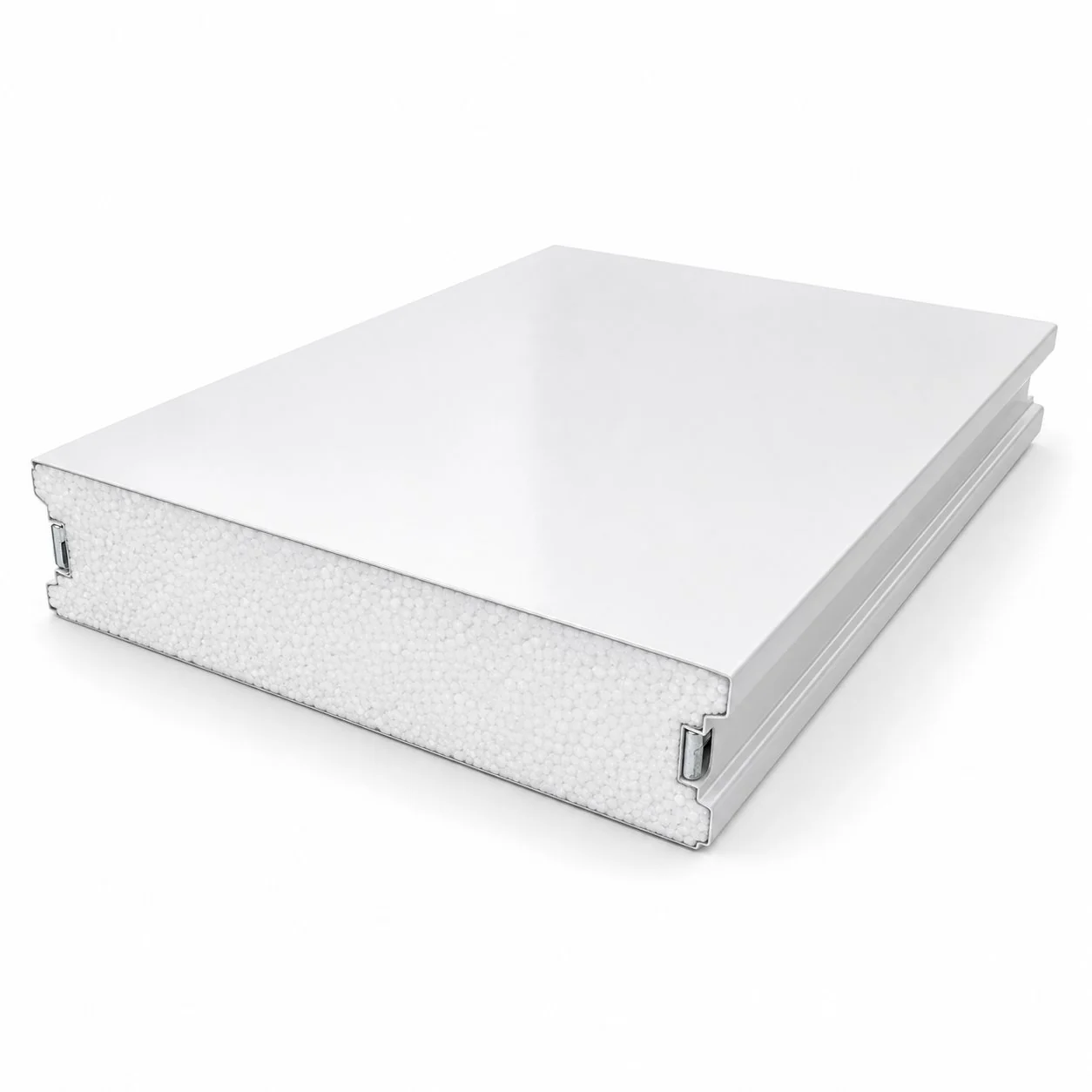
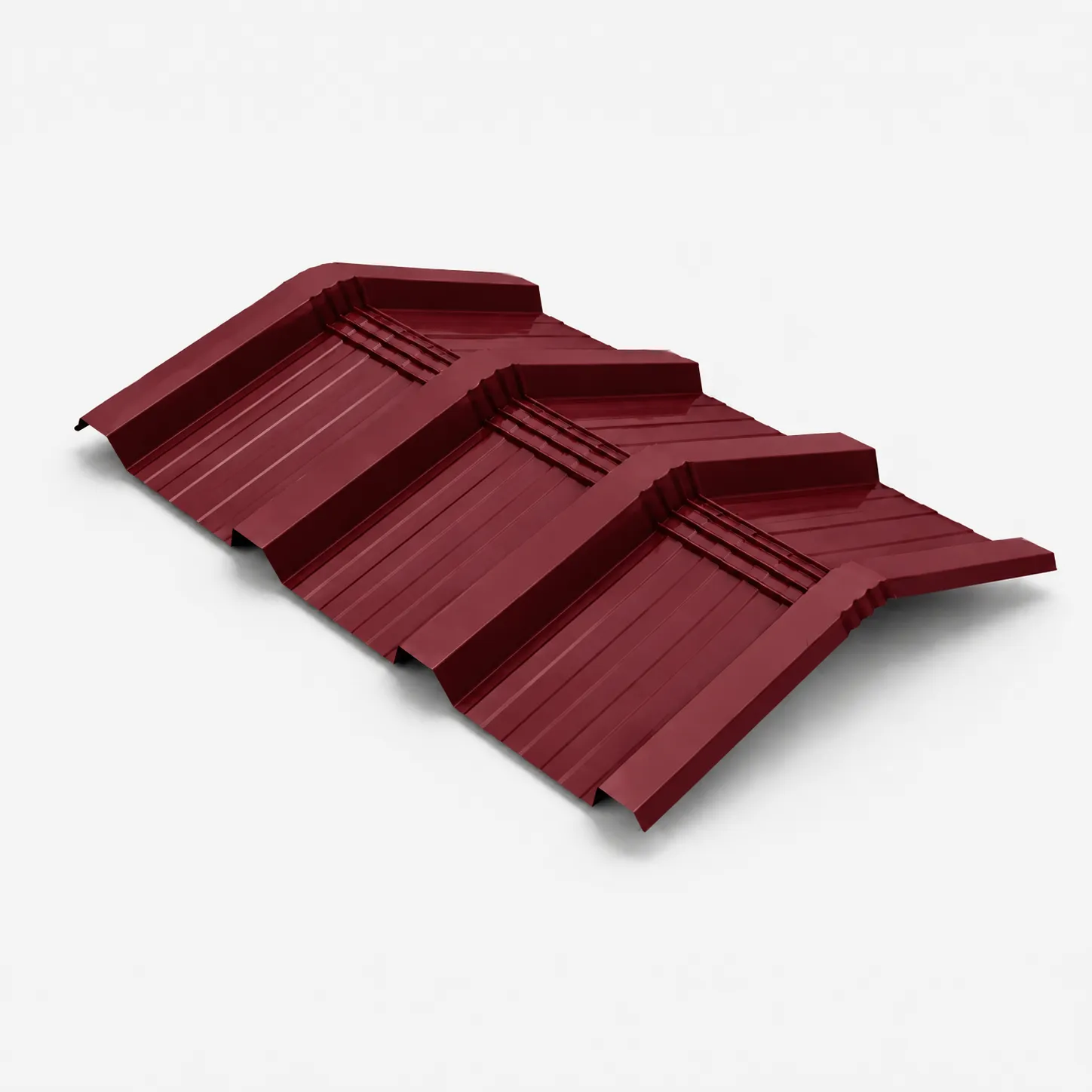
Condensation in sandwich panel buildings is the most common technical issue raised by building owners, facility managers, and contractors. Water droplets forming on interior panel surfaces, wet patches at eave junctions, or moisture dripping from roof panels onto products and equipment below — these are symptoms of condensation that can damage stored goods, create slip hazards, promote mold growth, and degrade building performance over time.
The good news: condensation in sandwich panel buildings is almost always preventable. It is not a panel defect — it is a building design and specification issue. When the right panel thickness is specified, thermal bridges are eliminated, and ventilation is adequate, sandwich panel buildings remain dry and condensation-free. This guide explains why condensation occurs and provides seven proven solutions to prevent it.
On this page:
- Why condensation happens — the science
- Dew point — the critical temperature
- Where condensation occurs in sandwich panel buildings
- 7 proven solutions to prevent condensation
- Condensation risk by building type
- Diagnostic checklist — is your building at risk?
- When condensation is not a panel problem
- Frequently asked questions
Why condensation happens — the science
Condensation in sandwich panel buildings follows the same physics as condensation on a cold glass of water on a summer day. When warm, moisture-laden air contacts a surface that is below the dew point temperature, the air can no longer hold its moisture — and water droplets form on that surface. According to building physics principles described in ASHRAE fundamentals, this process is entirely predictable and preventable through proper building envelope design.
Three conditions must exist simultaneously for condensation in sandwich panel buildings to occur:
- Moisture in the air: All occupied or operational buildings contain moisture — from human respiration, cooking, washing, livestock, industrial processes, or simply humid outdoor air entering the building.
- Warm air reaching a cold surface: Warm interior air circulates and contacts the building envelope surfaces — walls, roof, junctions.
- Surface temperature below dew point: If any interior surface is colder than the dew point of the indoor air, condensation forms on that surface.
Remove any one of these three conditions, and condensation in sandwich panel buildings cannot occur. The seven solutions below target one or more of these conditions.
Dew point — the critical temperature
The dew point is the temperature at which air becomes saturated and moisture condenses. It depends on air temperature AND relative humidity:
| Indoor air temp | 50% RH dew point | 70% RH dew point | 90% RH dew point |
|---|---|---|---|
| +10°C | 0°C | +4.8°C | +8.4°C |
| +15°C | +4.7°C | +9.6°C | +13.4°C |
| +20°C | +9.3°C | +14.4°C | +18.3°C |
| +25°C | +13.9°C | +19.1°C | +23.2°C |
Reading the table: In a building at +20°C and 70% relative humidity, any interior surface below +14.4°C will develop condensation. If your panel wall or roof interior surface stays above +14.4°C, no condensation occurs. This is why adequate insulation thickness — which keeps interior surfaces warm — is the primary defense against condensation in sandwich panel buildings.
Calculate the insulation thickness needed to keep surfaces above dew point: U-Value Calculator.
Where condensation occurs in sandwich panel buildings
Condensation in sandwich panel buildings does not appear randomly. It concentrates at predictable locations:
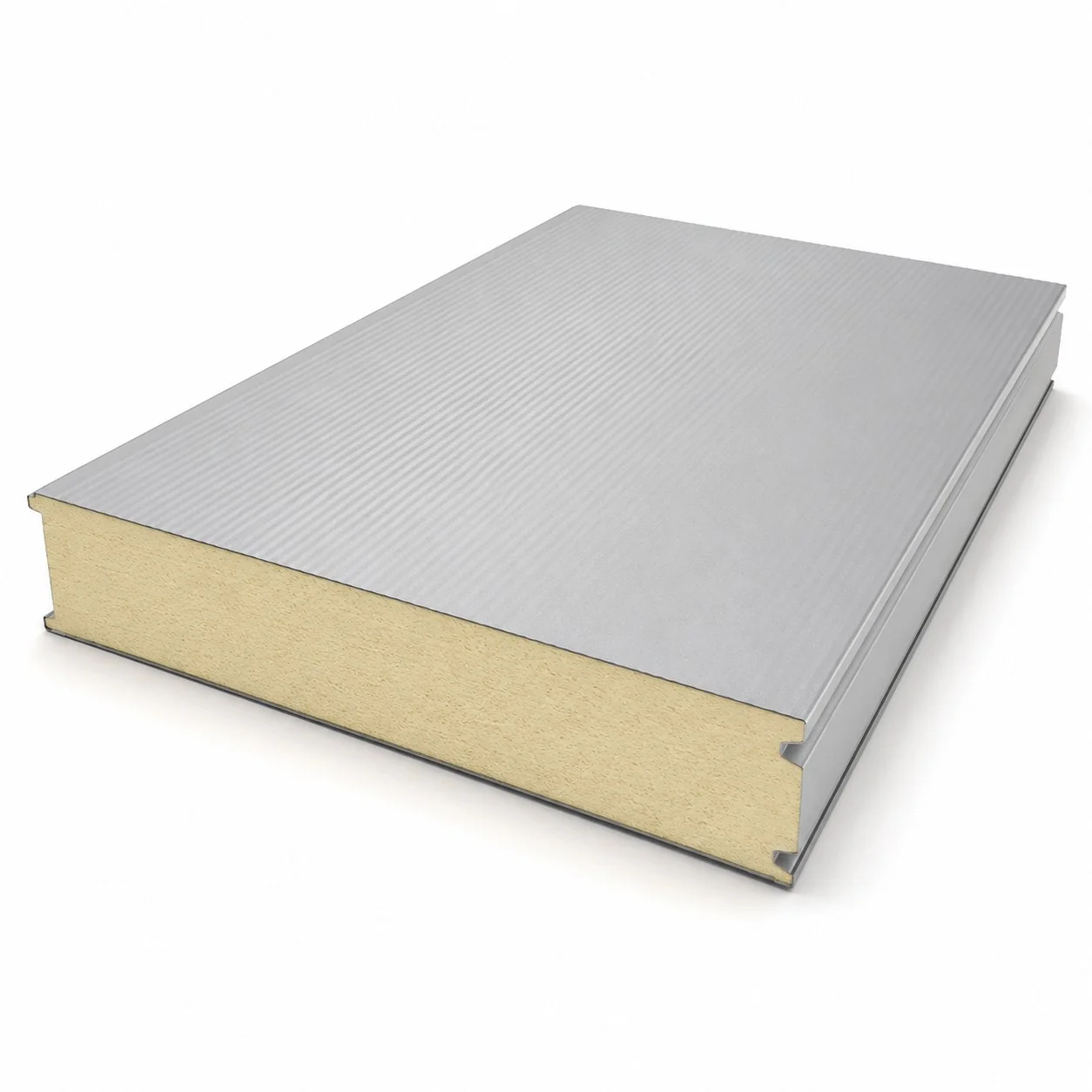
- Panel joints — thermal bridge points. The tongue-and-groove joint between panels has slightly less insulation than the panel center. In extreme cold conditions, the joint can become a linear thermal bridge where the interior surface temperature drops below dew point. Properly designed joints with continuous foam minimize this, but it remains the most common condensation location.
- Eave and ridge junctions. Where roof panels meet wall panels, the junction detail creates a geometric thermal bridge. If the eave or ridge flashing does not maintain continuous insulation, cold spots form. These junctions are the second most common location for condensation in sandwich panel buildings.
- Structural penetrations. Steel columns, purlins, and brackets that penetrate or contact the panel create thermal bridges. Steel conducts heat approximately 1,500 times faster than insulation foam. Where a purlin contacts the inner panel face, it creates a cold line where condensation can form.
- Underside of roof panels. In buildings with high internal humidity (livestock, swimming pools, laundries, food processing), the entire underside of the roof panel can develop condensation if the insulation is insufficient or the ventilation is inadequate. Warm, humid air rises and contacts the coolest surface in the building — the roof.
- Around openings. Door and window frames, dock doors, and ventilation openings create thermal bridges where the insulated panel is interrupted. Cold air infiltration around poorly sealed openings adds moisture and cools surfaces simultaneously — a double condensation risk.
7 proven solutions to prevent condensation
Solution 1: Specify adequate panel thickness
The single most effective way to prevent condensation in sandwich panel buildings is to specify enough insulation. Thicker panels keep interior surfaces warmer — above the dew point. If condensation appears on a recently constructed building, the first question is always: is the panel thick enough for the conditions?
Use our U-Value Calculator to determine the minimum panel thickness for your climate zone and interior conditions. General guidance:
- Ambient warehouses (low humidity): 60-80 mm PUR is typically sufficient
- Heated commercial buildings: 80-100 mm PUR to maintain warm interior surfaces
- High-humidity buildings (livestock, pools): 100+ mm PUR to ensure surface temperatures stay well above dew point
- Cold storage: 150-200 mm PUR — condensation prevention is integral to cold room design through our cam-lock cold room panels
Our thermal insulation solutions page provides detailed thickness guidance by building type and climate. Learn how different core materials compare in our core comparison guide.
Solution 2: Eliminate thermal bridges at junctions
Thermal bridges at panel joints, eave junctions, ridge caps, and structural connections must be designed out of the building:
- Panel joints: Ensure panels use continuous insulation foam within the tongue-and-groove joint — not just steel interlock.
- Eave junctions: Specify insulated eave details where the wall panel meets the roof panel. A simple metal flashing without insulation backing creates a cold bridge.
- Structural connections: Where steel purlins contact the inner panel face, thermal break strips (neoprene or similar) can separate the steel from the panel, reducing cold transfer.
- Accessory quality: Color-matched flashings and profiles from Real Panel are designed to maintain continuous thermal performance at all junction points.
Solution 3: Control interior humidity
Reducing the amount of moisture in the air directly prevents condensation in sandwich panel buildings:
- Industrial processes: Extract steam and moisture at source with local extraction hoods before it reaches the building air volume.
- Livestock buildings: Ventilation rates must match the moisture output of the animal population. A 20,000-bird poultry house produces over 1,000 liters of water vapor per day.
- Storage buildings: Ensure goods entering the building are dry. Wet pallets, damp packaging, and freshly washed floors all add moisture that concentrates under the roof.
Solution 4: Provide adequate ventilation
Ventilation removes humid air and replaces it with drier air, reducing relative humidity and raising the dew point temperature away from panel surface temperatures. According to building ventilation standards, air change rates must match the moisture generation rate:
- Natural ventilation: Ridge ventilators, eave ventilation gaps, and wall louvres create passive air movement. Effective for ambient warehouses and agricultural buildings.
- Mechanical ventilation: Exhaust fans (roof or wall mounted) with controlled fresh air inlets. Essential for livestock buildings, processing facilities, and any building with high moisture generation.
- HVAC systems: Commercial and industrial buildings with heating and air conditioning automatically manage humidity when properly designed. Ensure the HVAC system is sized for the building’s moisture load, not just its heat load.
Solution 5: Choose PUR or PIR over EPS for condensation-prone buildings
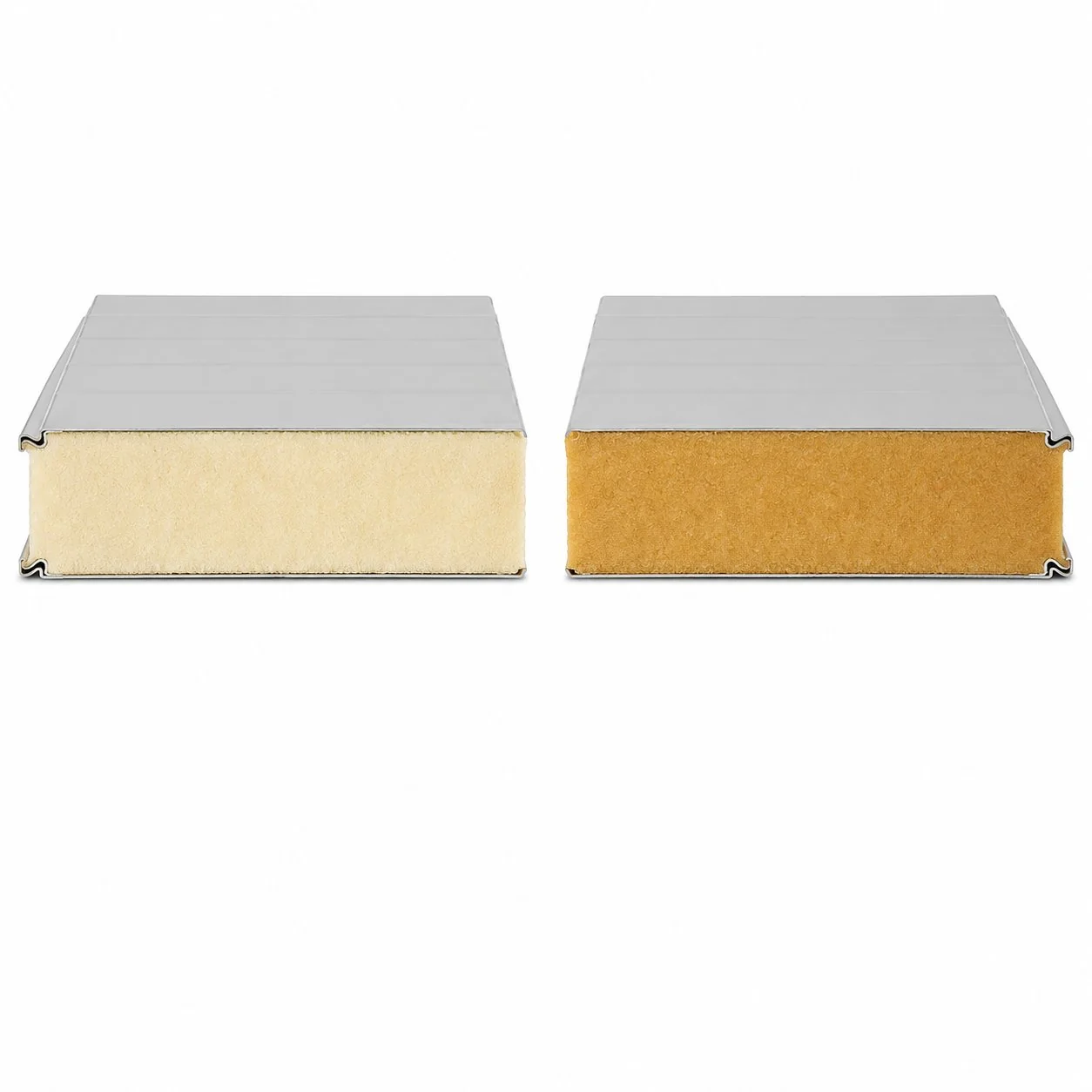
In any condensation-risk sandwich panel building, core material selection matters. PUR panels (lambda 0.022) keep interior surfaces warmer than EPS panels (lambda 0.035) at the same thickness. At 80 mm:
- PUR: Interior surface temperature stays approximately 2-3°C warmer than EPS in the same conditions
- EPS: The poorer thermal performance means interior surfaces are colder — closer to dew point — at the same thickness
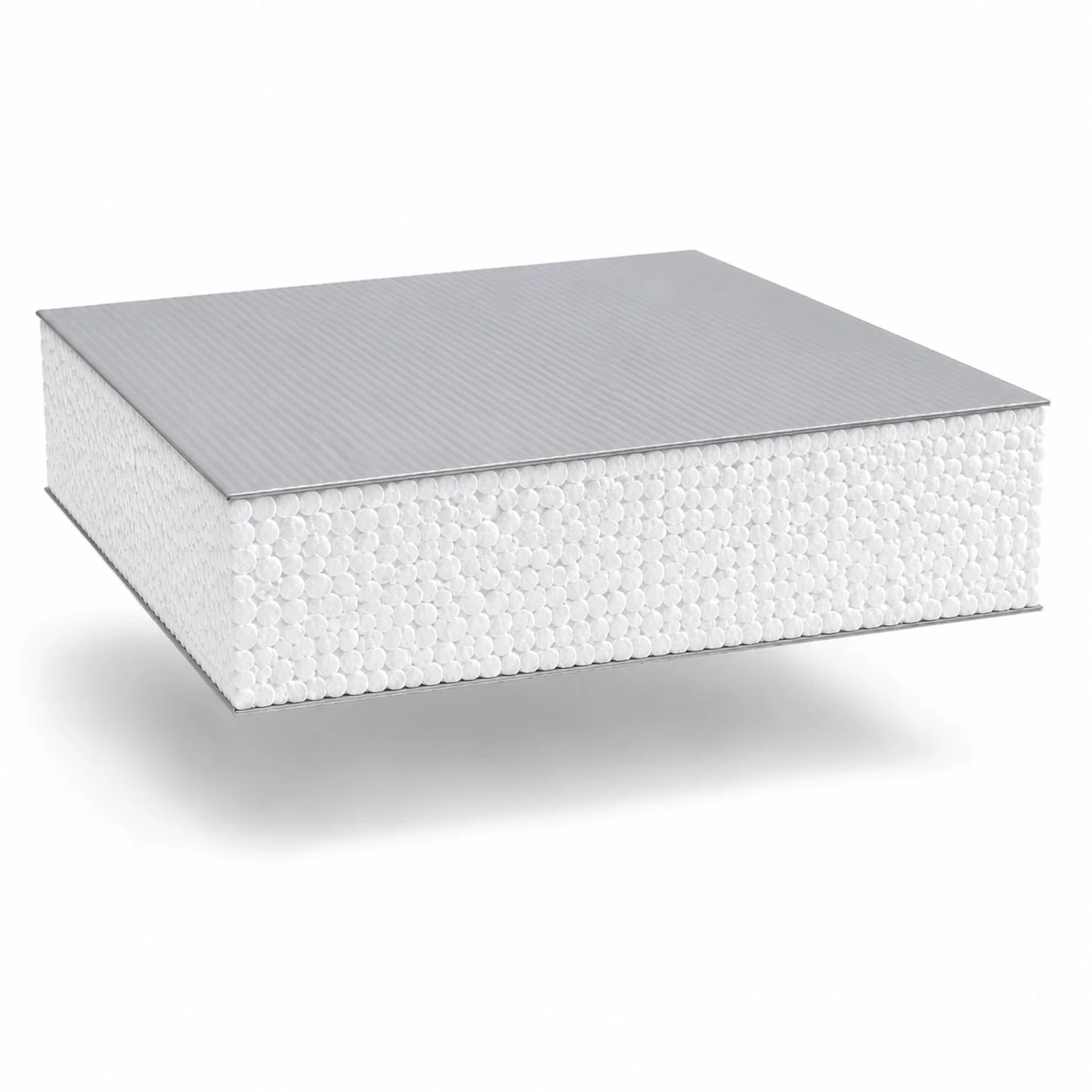
Additionally, PUR and PIR closed-cell foam cores do not absorb moisture if surface condensation does occur temporarily. EPS bead structure can absorb small amounts of moisture at bead boundaries, gradually reducing its insulation effectiveness — creating a worsening cycle.
Solution 6: Seal air leaks at openings and penetrations
Uncontrolled air infiltration brings outdoor humidity into the building and creates cold air currents that cool panel surfaces:
- Door seals: Ensure all personnel doors, roller shutters, and dock doors have functioning seals. A 5mm gap around a 3m × 3m roller shutter allows enormous volumes of cold, humid air into the building.
- Penetration sealing: Every pipe, cable, and duct that passes through the panel envelope must be sealed with appropriate collars and sealant.
- Panel joint integrity: Verify during installation that all tongue-and-groove joints are fully engaged with continuous sealant.
Solution 7: Anti-condensation roof panel treatment
For buildings with unavoidable high humidity (livestock, indoor swimming pools, some food processing), an anti-condensation fleece can be factory-applied to the inner face of the roof panel. This non-woven polyester fleece:
- Absorbs moisture: The fleece absorbs condensation droplets before they form large drops that drip.
- Releases gradually: When humidity drops (daytime warming, ventilation increase), the moisture evaporates from the fleece back into the air — no dripping.
- Prevents drip damage: Products, equipment, and livestock below the roof are protected from water dripping.
⚠️ Anti-condensation fleece is a MANAGEMENT solution, not a prevention solution. It manages condensation that occurs — it does not prevent it. The first six solutions above should be the primary design strategy. Fleece is the safety net for extreme conditions.
Condensation risk by building type
| Building type | Risk level | Why | Key solution |
|---|---|---|---|
| Poultry house | Very High | 1000+ L/day vapor from birds | Thick panels + tunnel ventilation |
| Dairy barn | High | Animal respiration + washing | PUR 80mm+ with ridge vent |
| Indoor pool | Very High | Continuous evaporation | 100mm+ PUR + HVAC dehumidify |
| Food processing | High | Steam, washing, wet floors | PUR/PIR + mechanical extract |
| Cold storage | Medium | Controlled by cam-lock design | Cam-lock panels + vapor barrier |
| Heated warehouse | Low | Low humidity, heated interior | Standard PUR 60-80mm sufficient |
| Unheated warehouse | Medium | No heating to warm surfaces | PUR 80mm+ or add heating |
| Commercial office | Low | HVAC controls humidity | Standard PUR/PIR 80-100mm |
Explore building-specific solutions: Agriculture · Cold Storage · Food & Pharma · Industrial · Commercial.
Diagnostic checklist — is your building at risk?
Use this checklist to assess condensation risk in existing or planned sandwich panel buildings:
- Panel thickness: Is the panel thick enough for your climate zone and interior conditions? Check with U-Value Calculator.
- Interior humidity: What are the moisture sources? People, processes, animals, products?
- Ventilation: Is the ventilation system sized for the moisture load, not just temperature control?
- Thermal bridges: Are eave junctions, ridge details, and structural connections thermally broken?
- Air tightness: Are all doors sealed? All penetrations sealed? All panel joints fully engaged?
- Core material: Is PUR/PIR specified for high-humidity environments (not EPS)?
- Roof underside: For very high humidity buildings, is anti-condensation fleece specified?
- Heating: In winter, is the building heated enough to keep interior surfaces above dew point?
If you answered ‘no’ or ‘unsure’ to any of these, condensation in your sandwich panel building is a risk. Address the relevant solutions above or contact our technical team for project-specific advice.
When condensation is not a panel problem
Important context: condensation in sandwich panel buildings is almost never a panel manufacturing defect. It is a building design, specification, or operation issue. Panels do not ‘leak’ moisture — they prevent it when correctly specified and installed. Common misconceptions:
- ‘The panels are sweating’: The panels are cold because they are too thin for the conditions, OR a thermal bridge exists, OR the building is under-ventilated. The panels are doing their job — the specification needs correction.
- ‘The roof is dripping’: The roof panel is below dew point because the insulation is insufficient for the humidity level in the building. More insulation or better ventilation will solve this.
- ‘Condensation at joints only’: This indicates a thermal bridge at the panel joint — a design issue, not a panel quality issue. Better junction detailing or thermal break strips will address this.
If you are experiencing condensation in an existing building, contact our technical team for diagnostic support. We can assess the situation and recommend corrective measures — which may include additional insulation, ventilation improvements, or junction modifications.
Browse: Panel Selector · Thermal Insulation · Technical Catalogs · Performance Data · FAQ.
Read more: Core comparison · Pricing guide · Installation guide.
Frequently asked questions
Why does condensation form in my sandwich panel building?
Condensation in sandwich panel buildings forms when warm, humid interior air contacts a surface that is below the dew point temperature. This happens when panel insulation is too thin for the conditions, thermal bridges exist at junctions or structural connections, interior humidity is too high, or ventilation is insufficient to remove moisture. It is a building design issue, not a panel defect.
What panel thickness prevents condensation?
The required thickness depends on your climate zone, interior temperature, and humidity level. As a general guide: 60-80 mm PUR for standard warehouses, 80-100 mm for heated commercial buildings, and 100+ mm for high-humidity environments (livestock, processing). Use our U-Value Calculator for your specific conditions.
Is PUR or EPS better at preventing condensation?
PUR (lambda 0.022) keeps interior surfaces approximately 2-3°C warmer than EPS (lambda 0.035) at the same thickness — significantly reducing condensation risk. Additionally, PUR’s closed-cell structure absorbs zero moisture, while EPS can absorb small amounts over time. For condensation-prone buildings, PUR is the recommended choice in any core material comparison.
Does ventilation prevent condensation in sandwich panel buildings?
Ventilation is one of the seven solutions — it removes humid air and replaces it with drier air, reducing relative humidity. For high-moisture buildings (livestock, food processing, swimming pools), mechanical ventilation with extraction at moisture sources is essential. However, ventilation alone is not sufficient if the panel insulation is too thin — both adequate insulation AND adequate ventilation are required for condensation-free performance.
What is anti-condensation fleece on roof panels?
Anti-condensation fleece is a non-woven polyester fabric factory-applied to the inner face of roof panels. It absorbs condensation droplets before they form drips, then releases the moisture by evaporation when humidity drops. It is a management solution for extreme conditions — not a substitute for proper insulation, thermal bridge elimination, and ventilation. It is recommended as additional protection for livestock buildings, swimming pools, and other very-high-humidity environments.