

Sandwich Panel Selector
Use this panel selector: answer two quick questions — the application and what matters most — and get a matched Real Panel core, with links to the range and a datasheet.
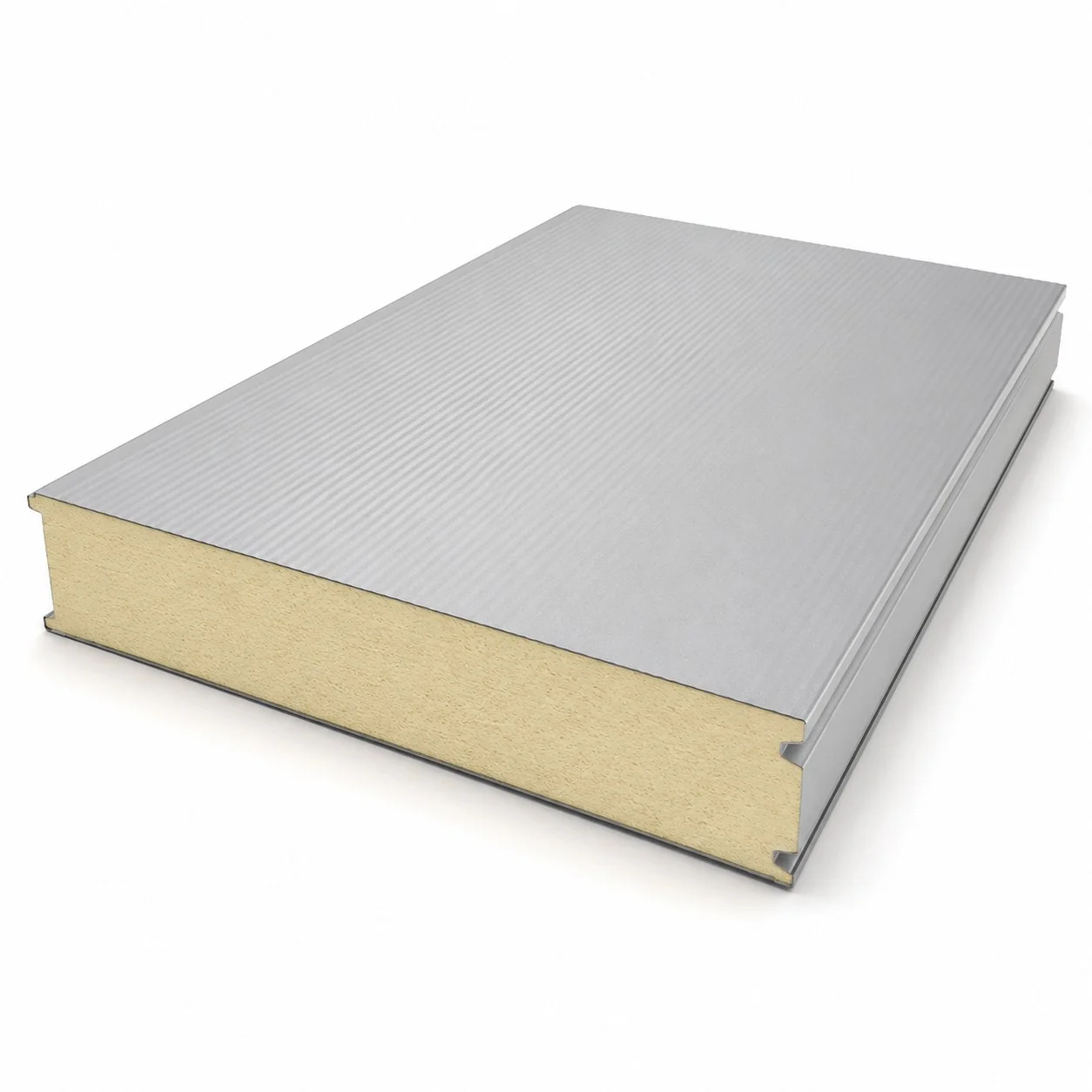
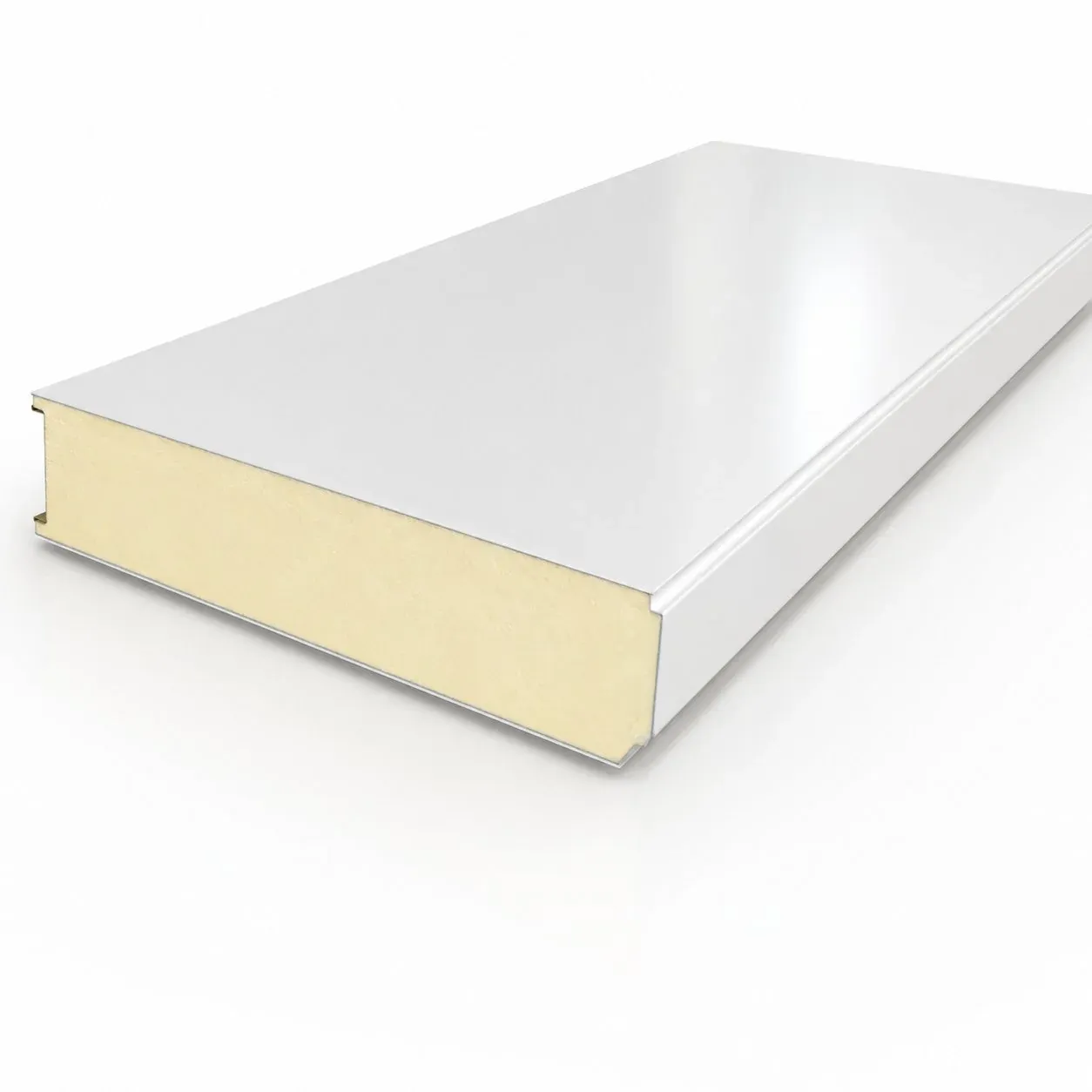
The lowest thermal conductivity here, so you reach a target U-value with the thinnest build-up — at low weight and with improved fire reaction.
Also consider: Polyurethane · Fibercement for a rugged, impact-resistant facing
How the panel selector decides
The recommendation weighs your application against the core that best serves your priority. Here's the same logic in the open — so you can see the trade-offs and adjust.
| Core | Typical λD (W/m·K) | Fire | Best for |
|---|---|---|---|
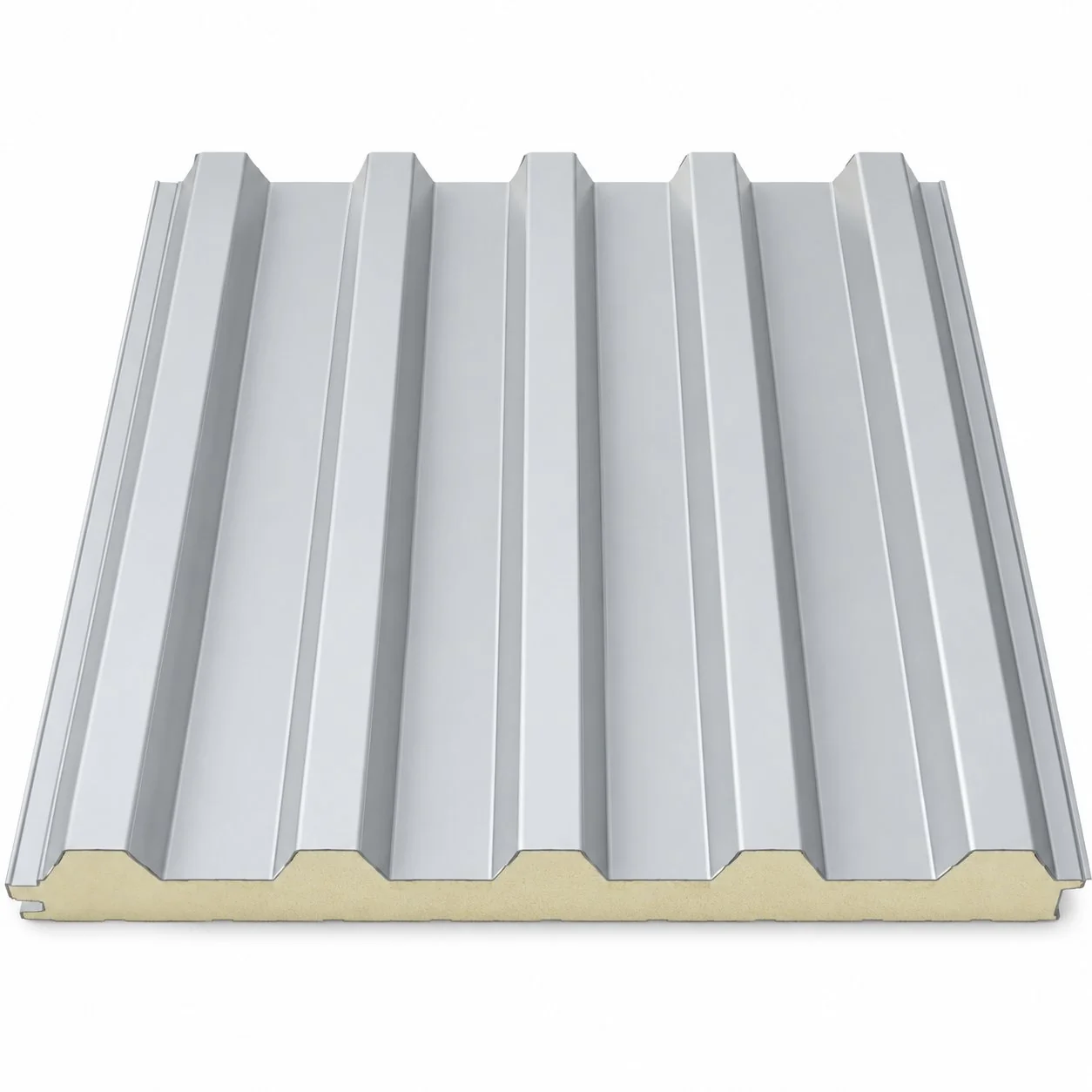
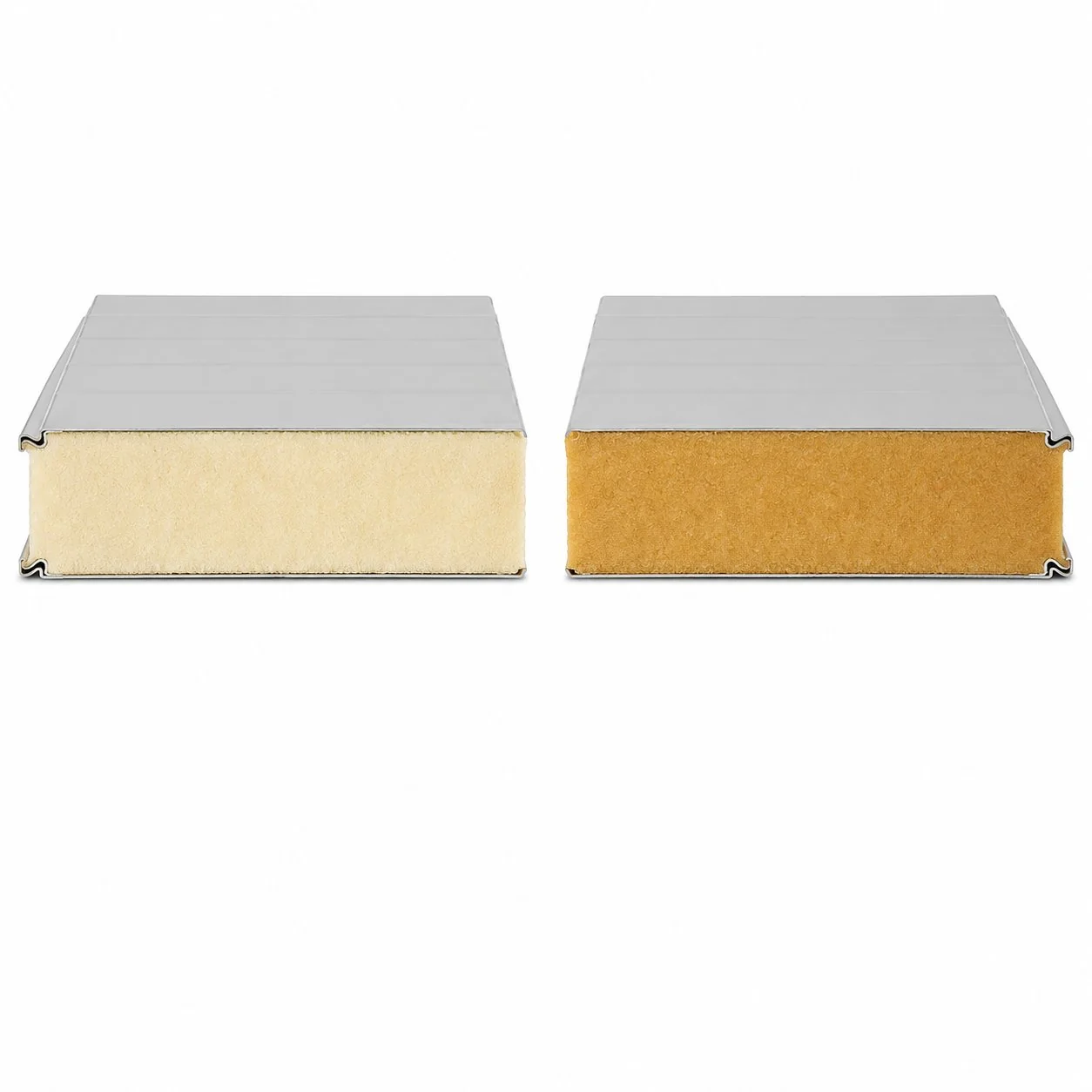
| PIR | ~0.022 | Improved reaction to fire | Maximum thermal efficiency at low weight |
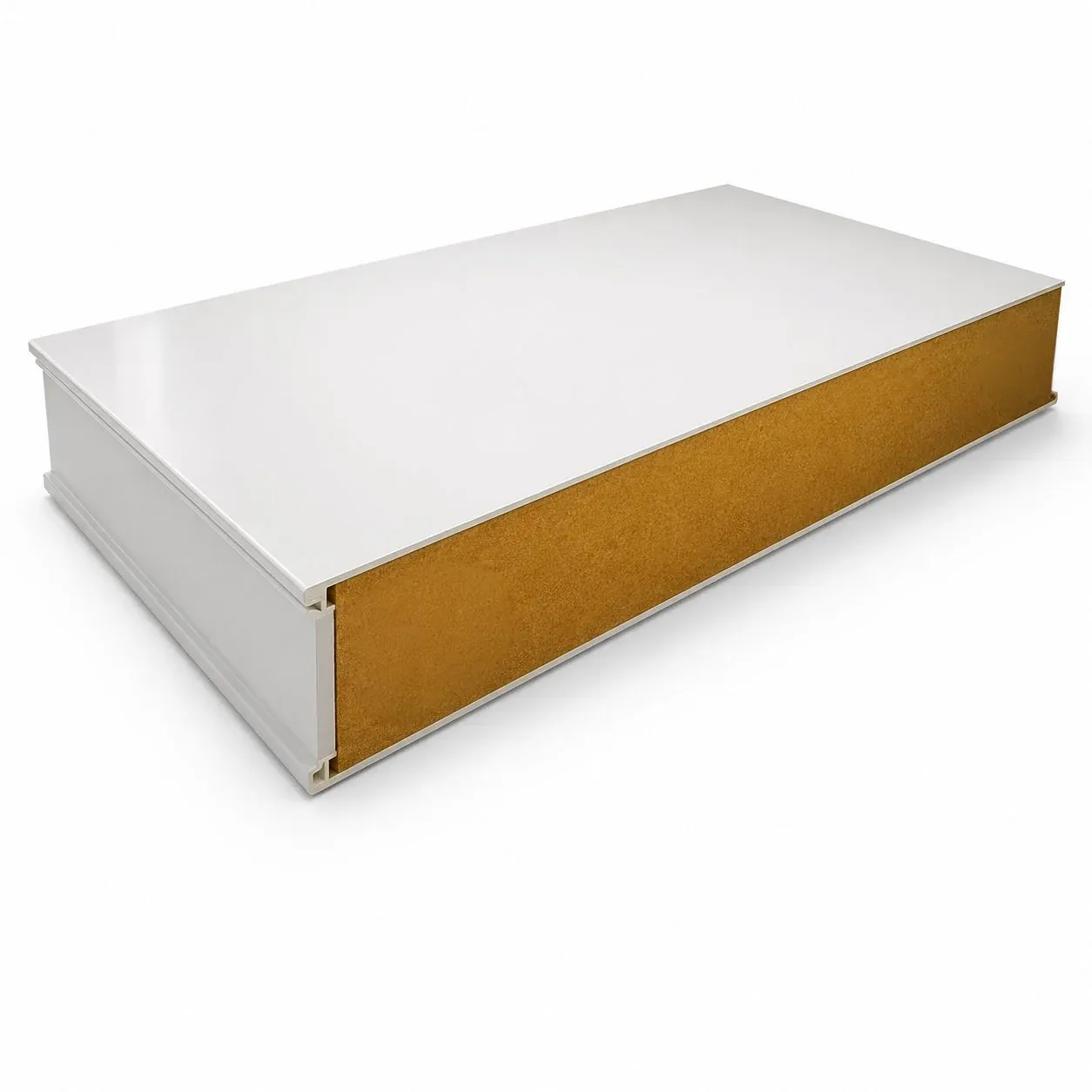
| Polyurethane (PUR) | ~0.023 | Standard reaction to fire | Strong thermal performance at lower cost |
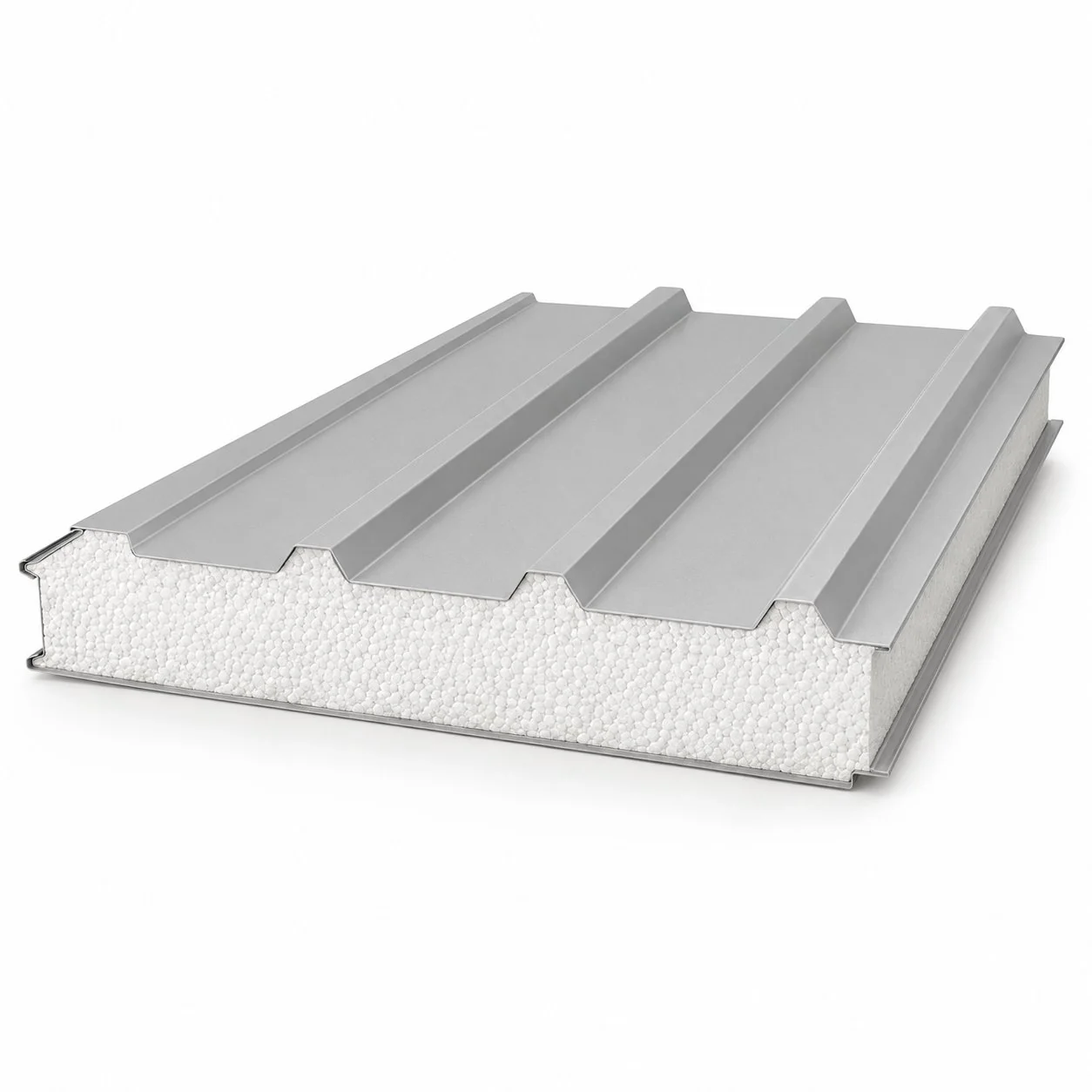
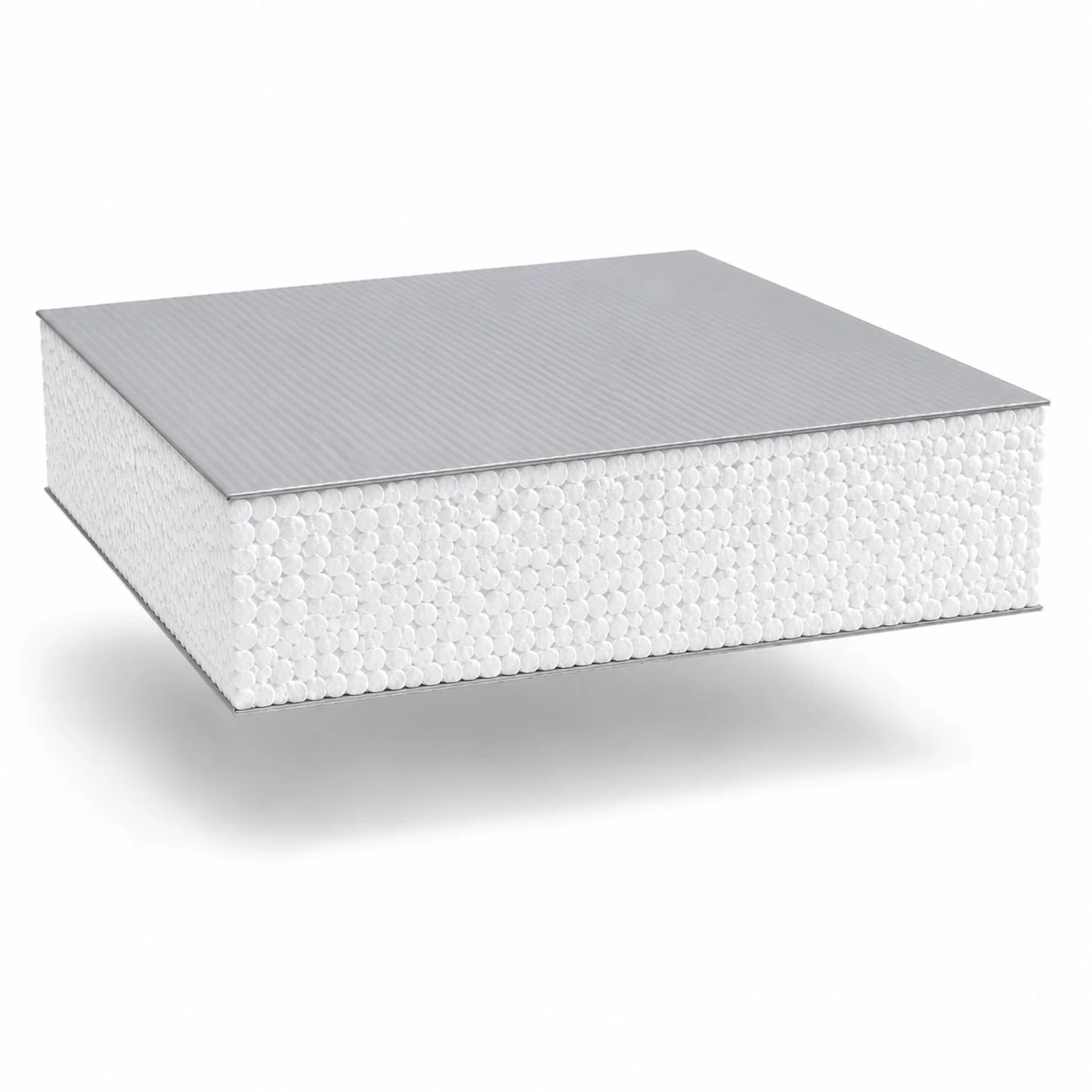
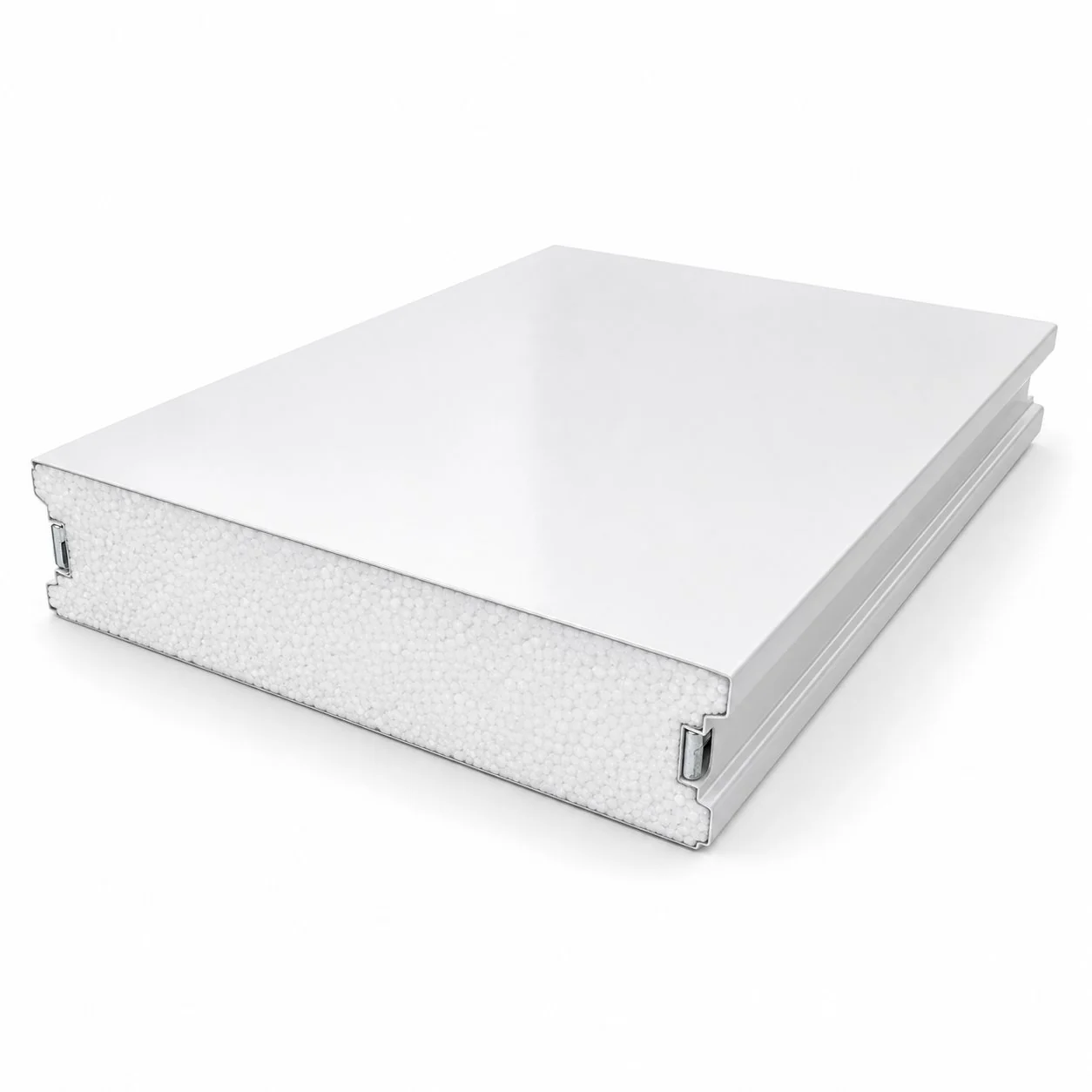
| EPS | ~0.038 | Standard reaction to fire | Budget-driven projects |
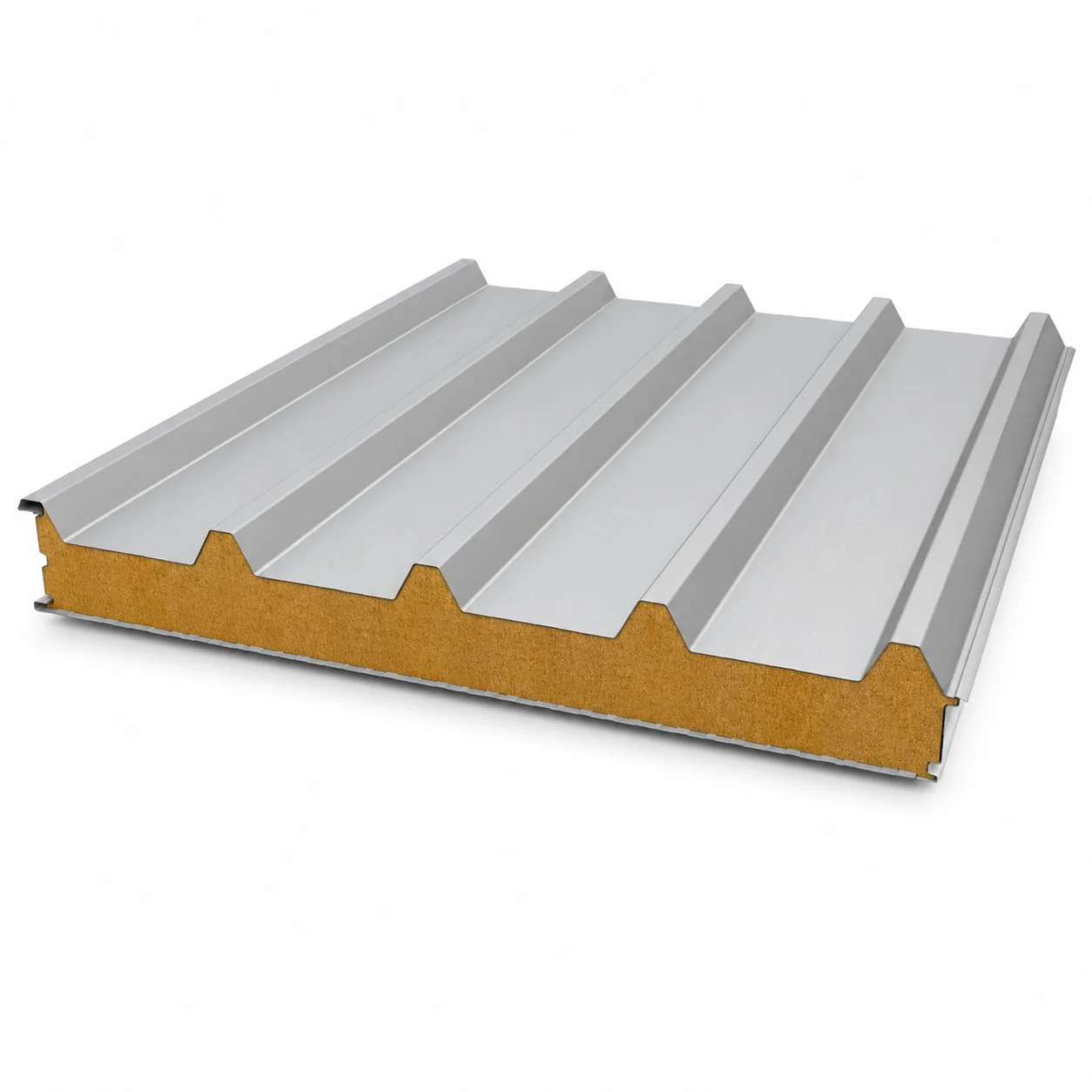
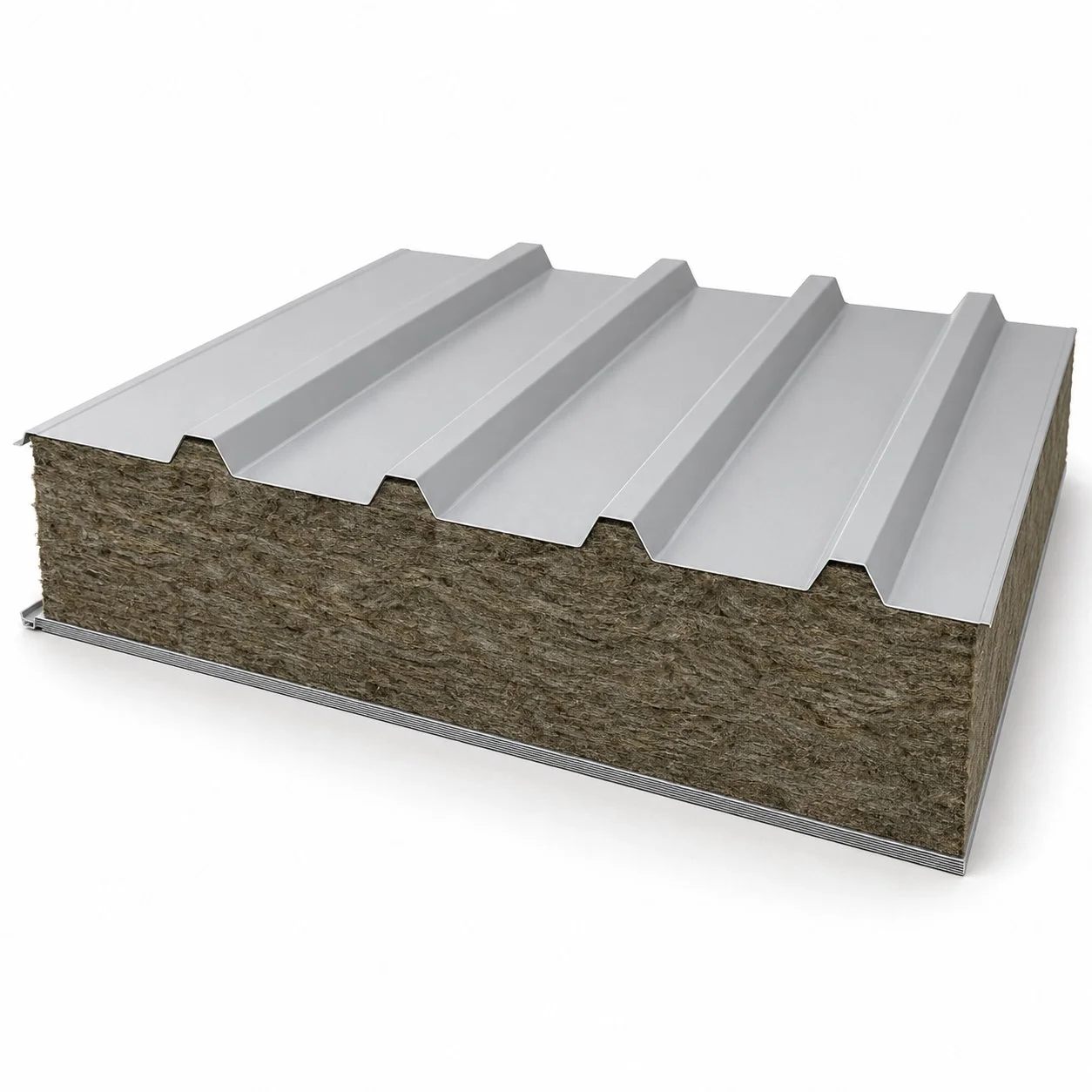
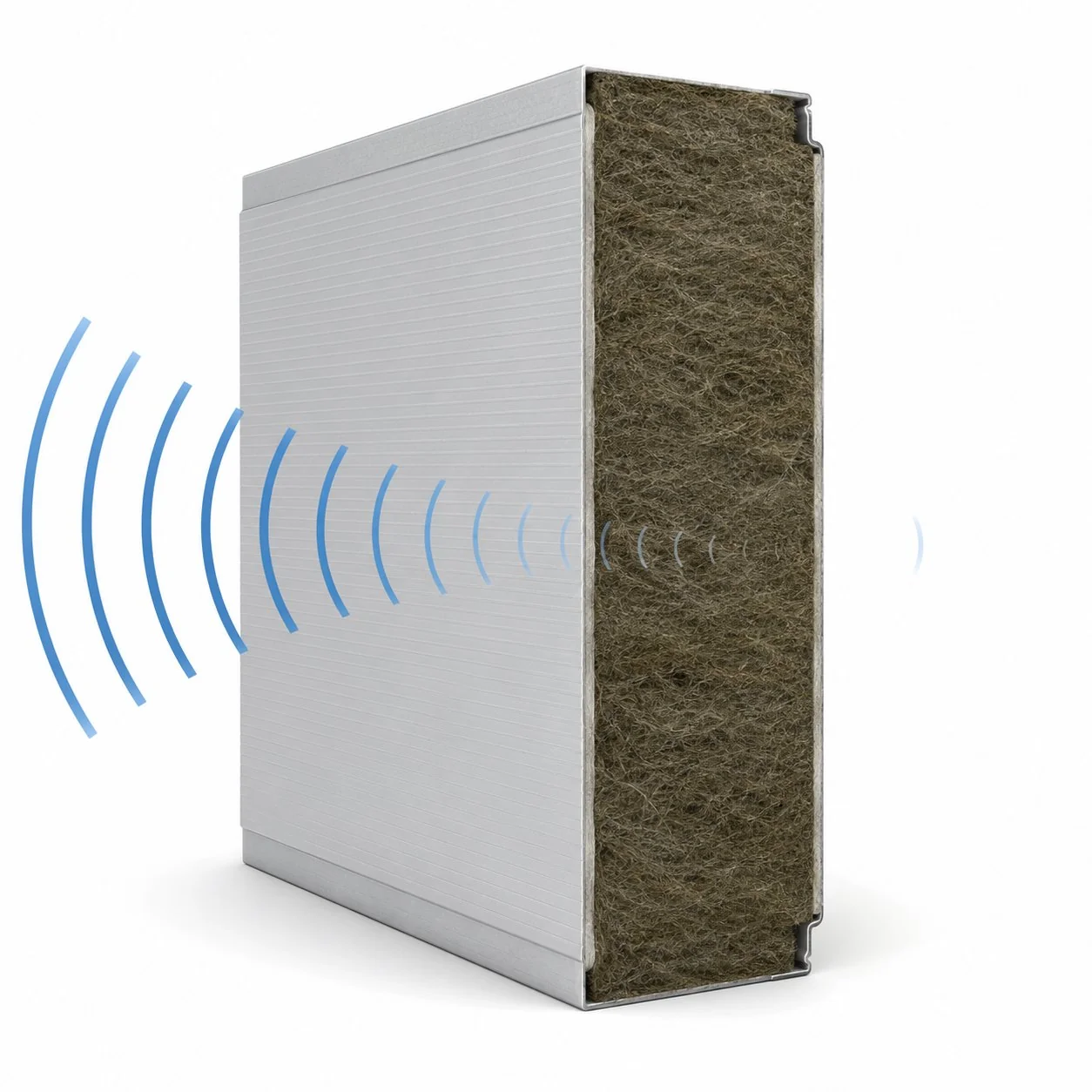
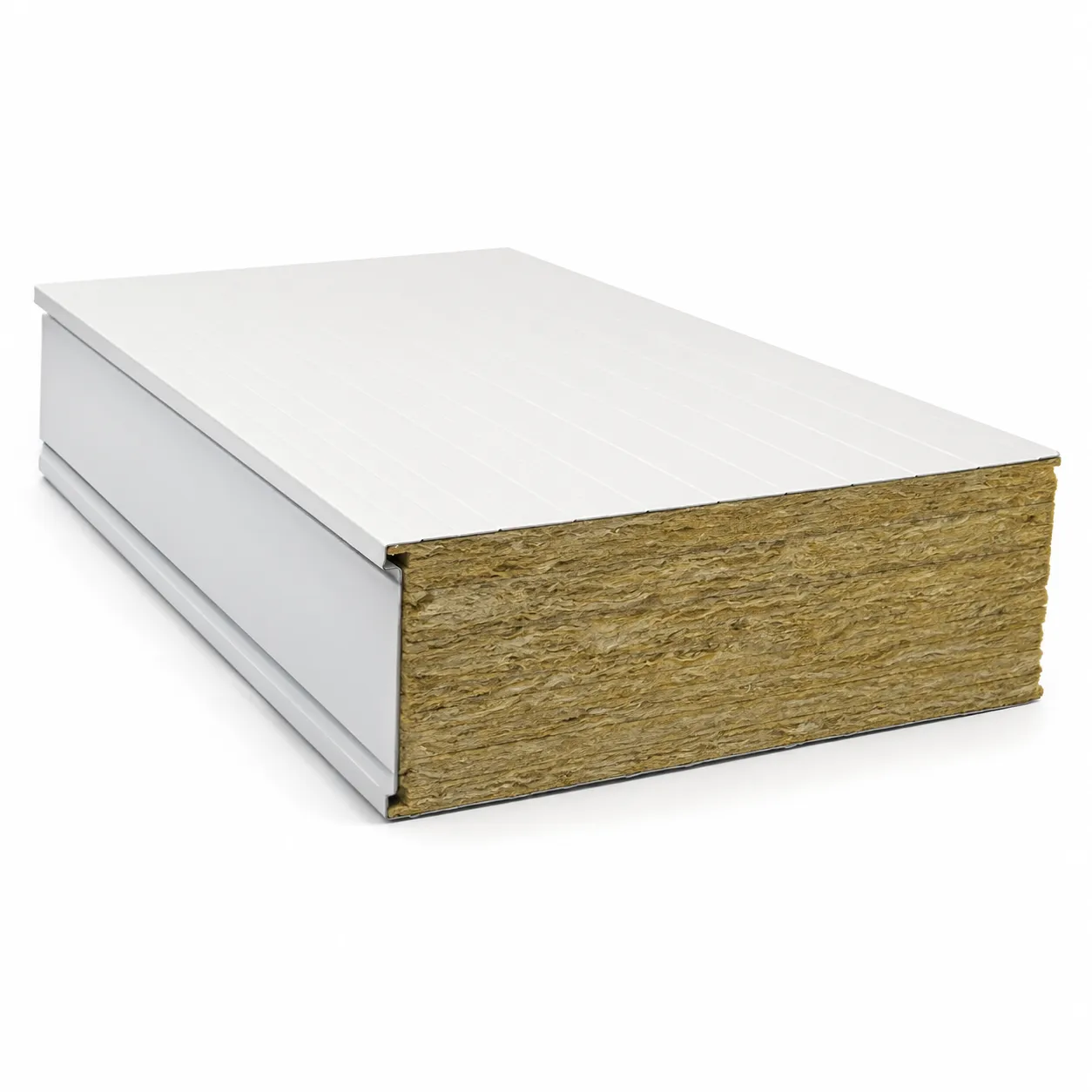
| Rockwool | ~0.041 | Non-combustible · A2 | Fire safety and acoustic comfort |
| Fibercement | — (facing) | Non-combustible facing | Rugged, weather- and impact-resistant facades |
Availability by application
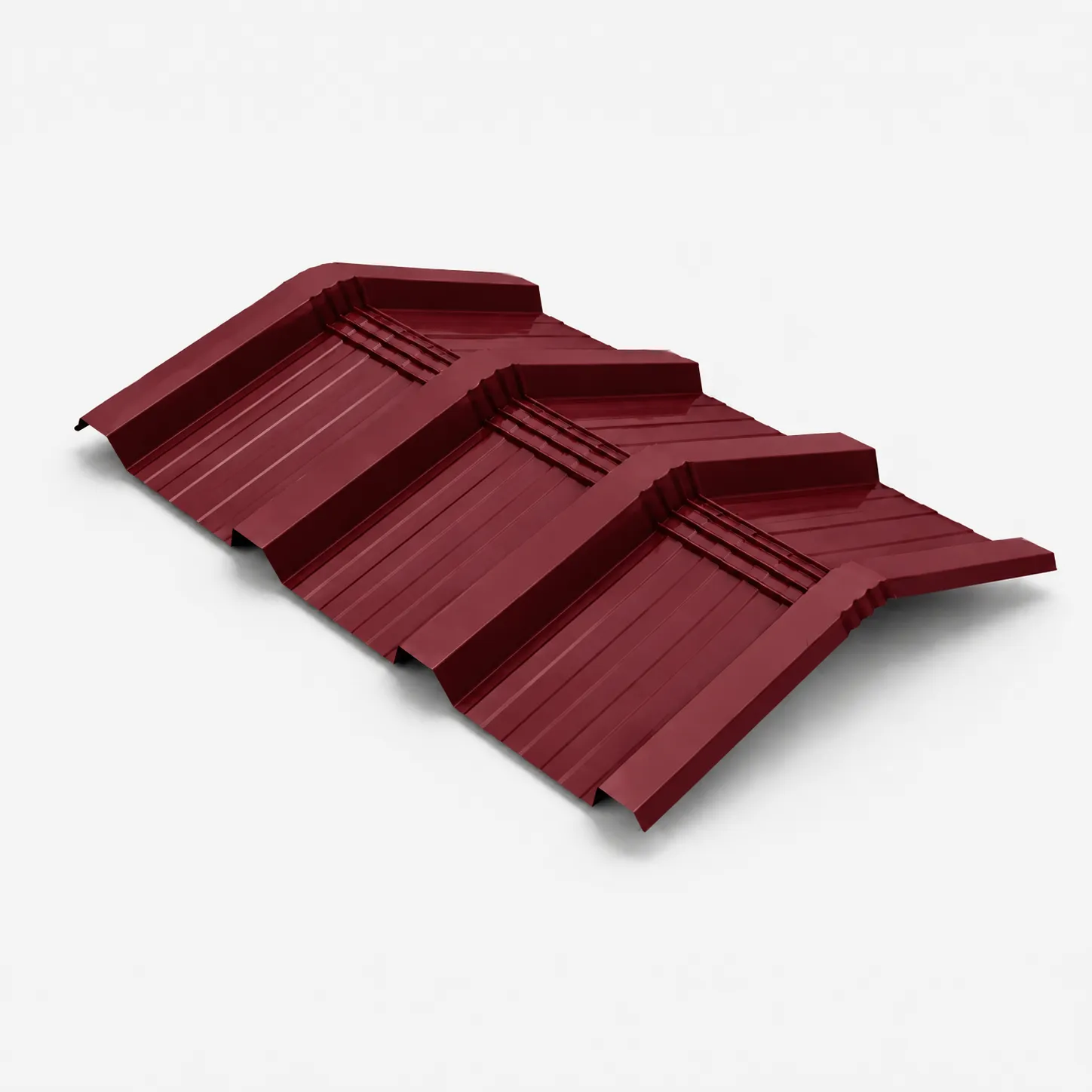
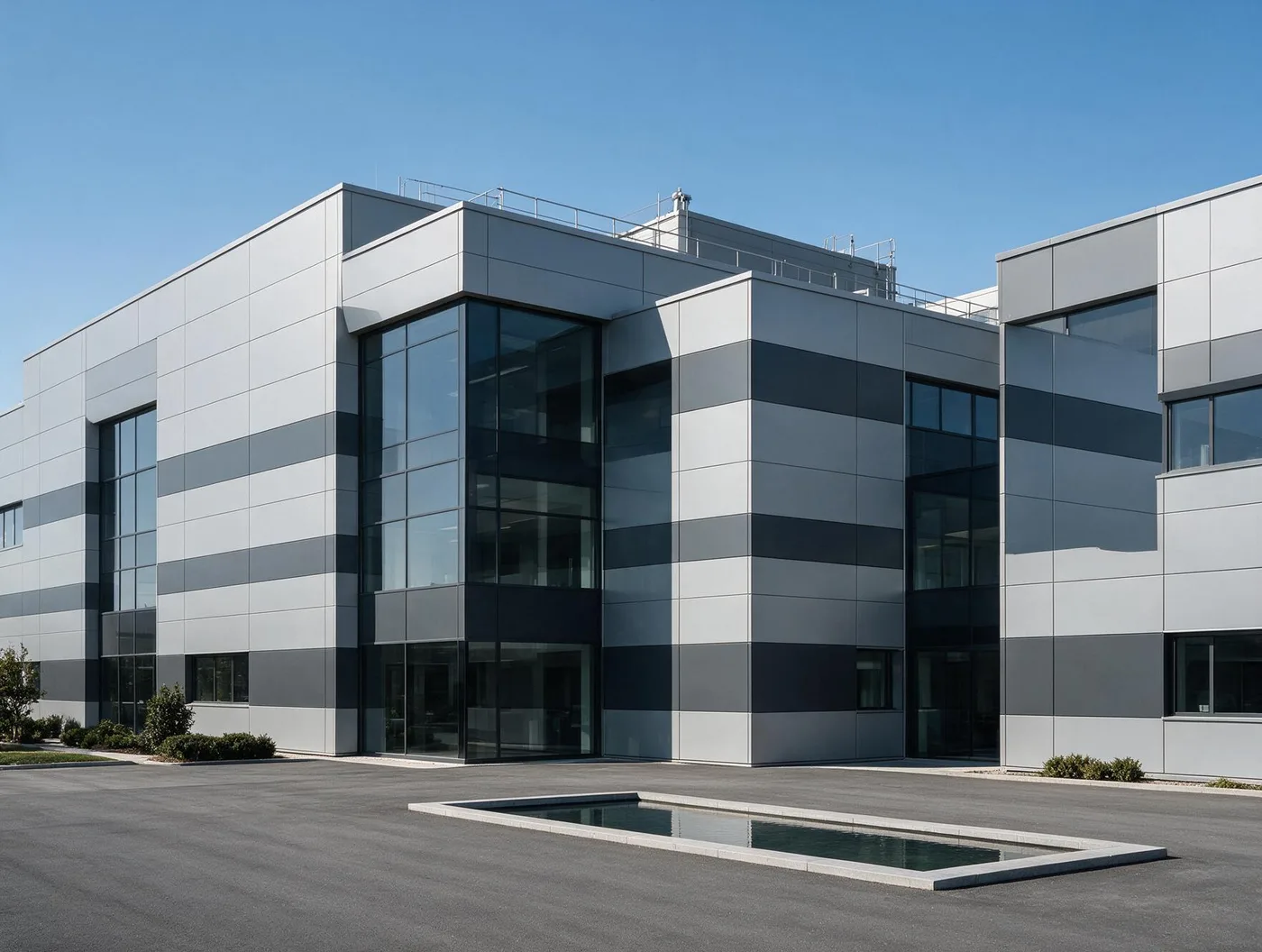
FACADE — PUR, PIR, EPS, Rockwool, Fibercement
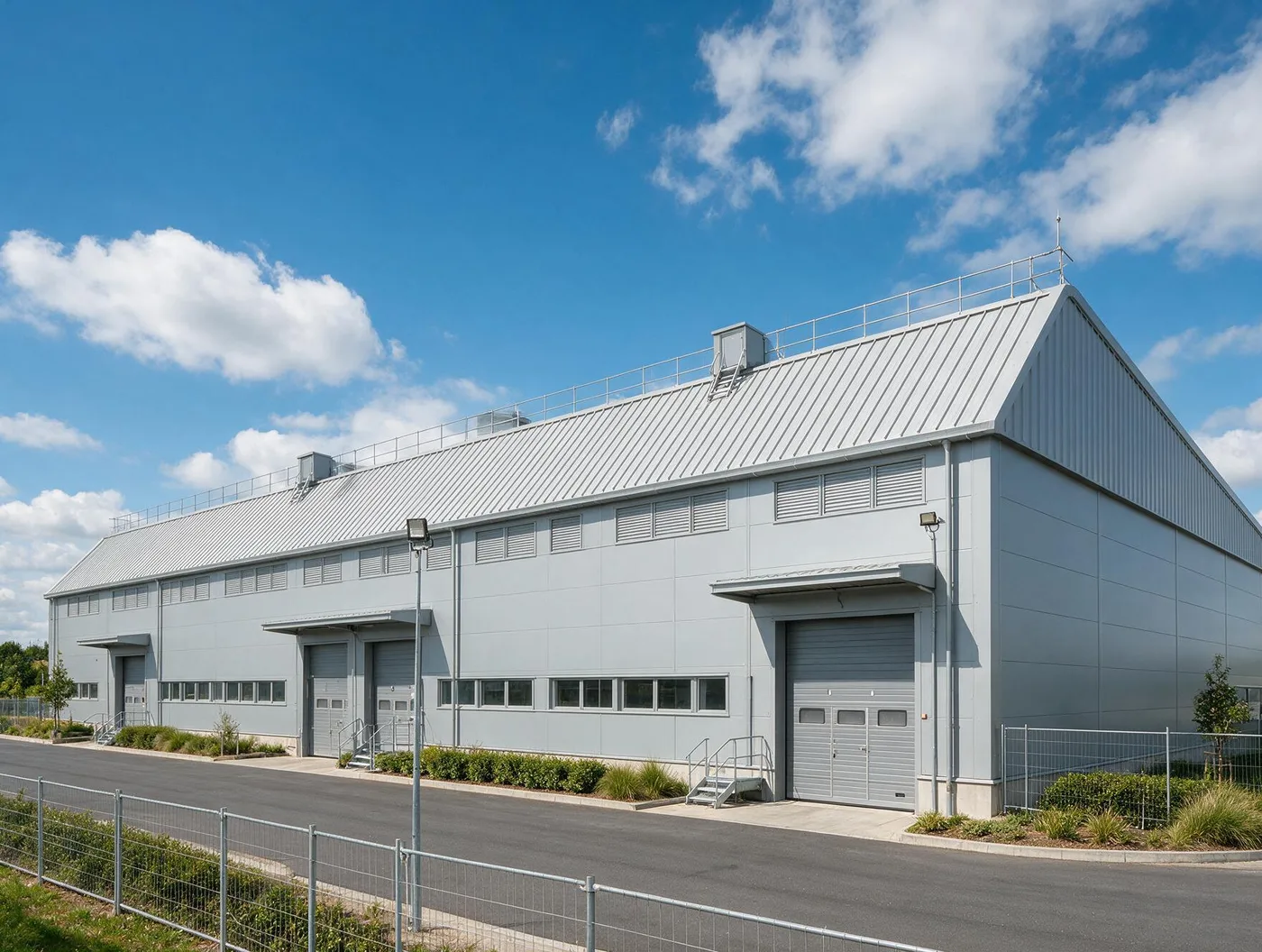
ROOF — PUR, PIR, EPS, Rockwool
COLD ROOM — PUR, PIR, EPS
Good to know
λ and fire classes are typical/indicative — the declared figures live on each product's datasheet and in Performance Data. To turn a core and thickness into a U-value, use the U-Value Calculator. For a checked specification, send your build-up to the technical desk.
Not sure which panel to specify?
Tell us the application, the span and what matters most — our technical desk returns a matched panel, the declared U-value and the relevant test references.